
Life science worksheets for elementary students work best when they keep biology simple, visual, and hands-on on the page. The most useful worksheets focus on familiar topics such as plants, animals, habitats, life cycles, the human body, and the difference between living and nonliving things. At this age, students learn best when activities are short, clear, and connected to what they can observe in everyday life.
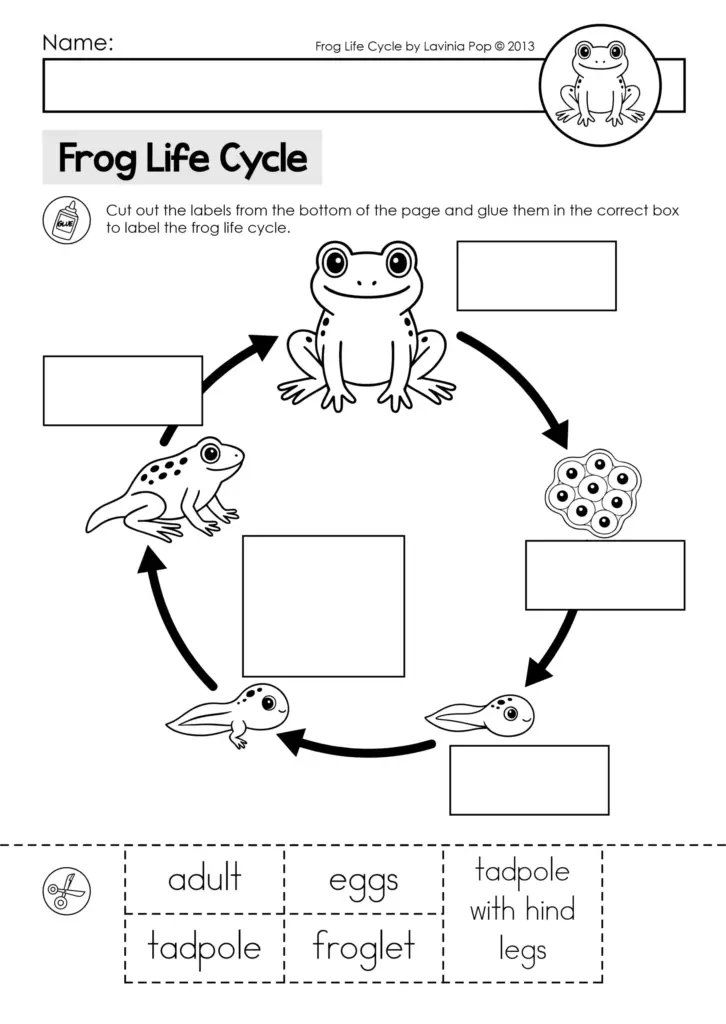
Core life science topics
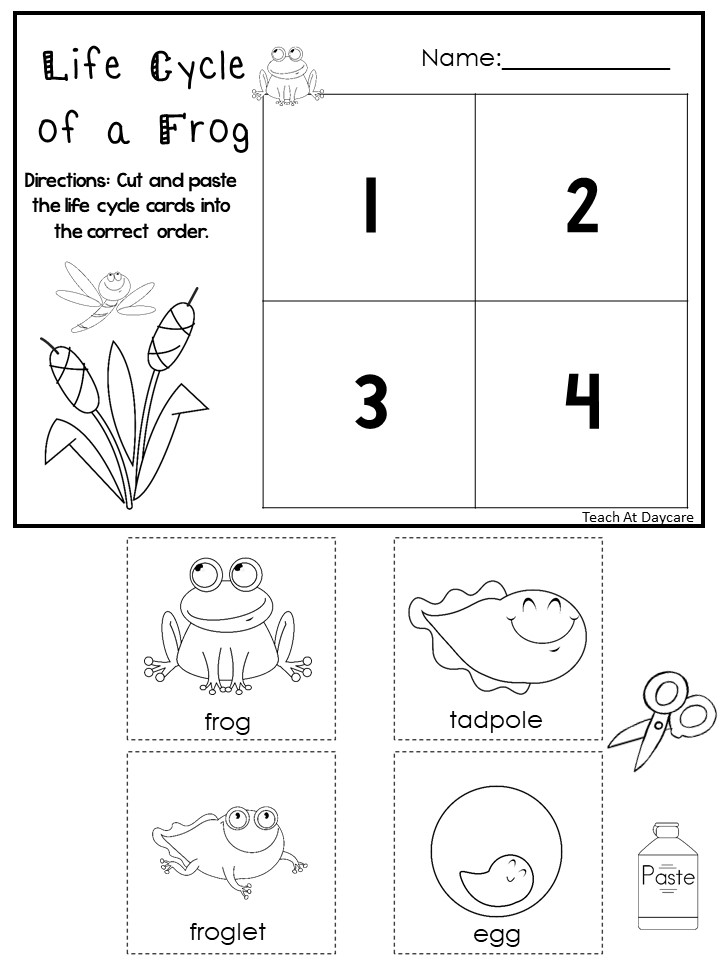
Elementary life science worksheets are most effective when they introduce one concept at a time. Plants may involve labeling roots, stems, leaves, and flowers. Animal worksheets often include sorting mammals, birds, fish, and insects by basic traits. Habitat pages can ask students to match animals to deserts, forests, oceans, or grasslands. Life cycle worksheets usually show simple stages such as seed to plant or egg to adult. Human body basics should stay focused on familiar parts and senses.
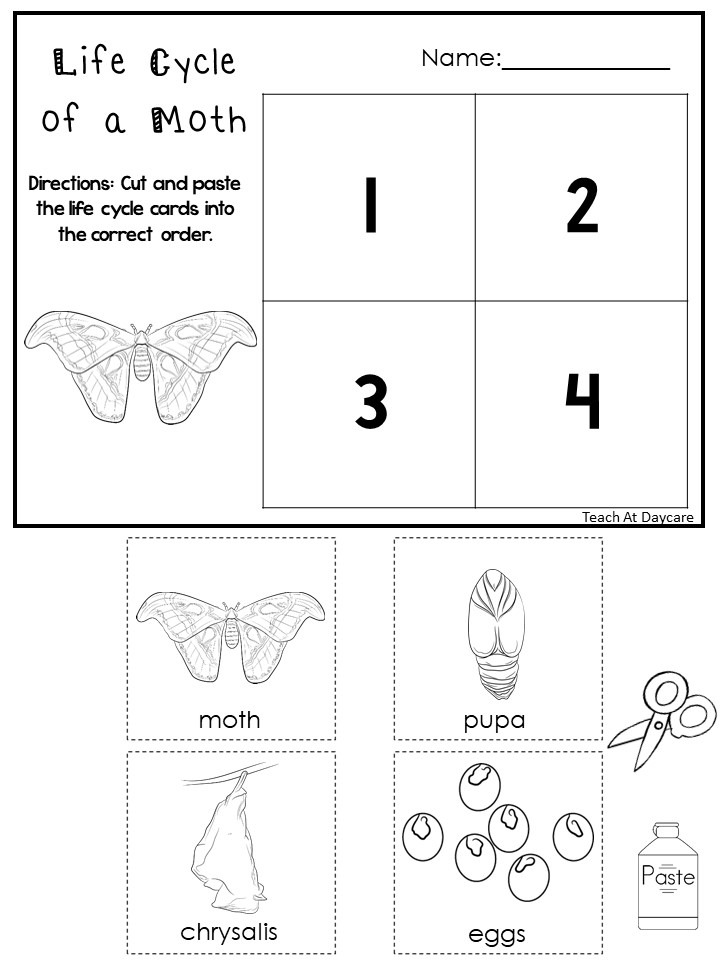
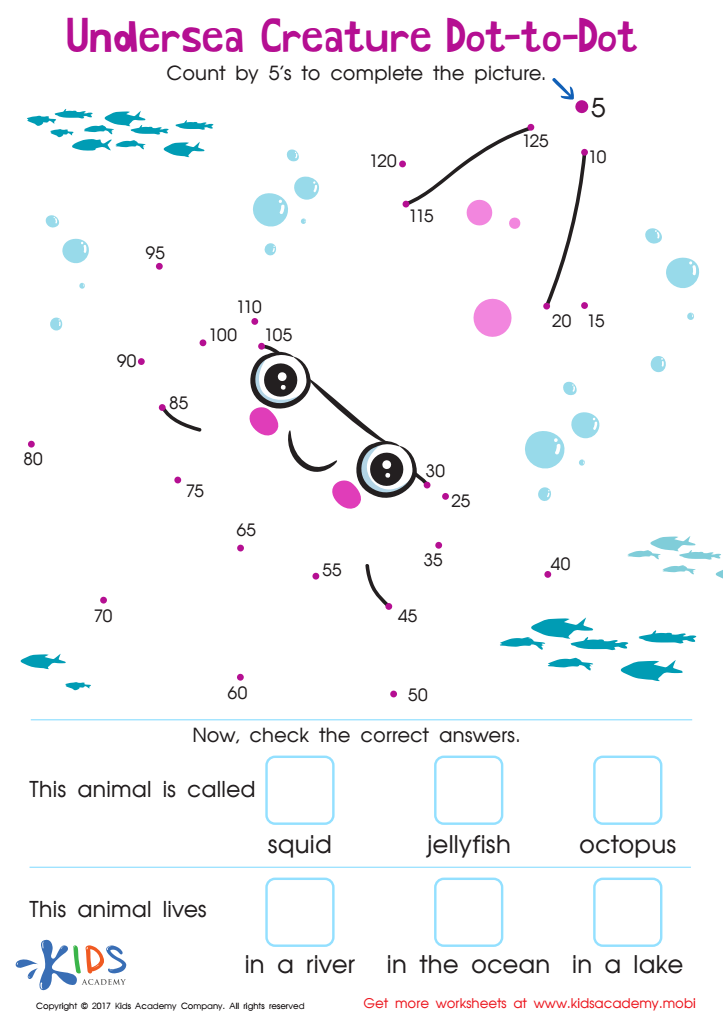
Age-appropriate worksheet features
The best worksheets for young learners use large print, clear pictures, and short directions that students can follow without extra explanation. A simple page may include one task per section, such as circling, coloring, tracing, or drawing a line to match. Short reading passages should use grade-level vocabulary and familiar examples. Visual supports matter because many elementary students understand science ideas faster when they can see and label them instead of reading long paragraphs.
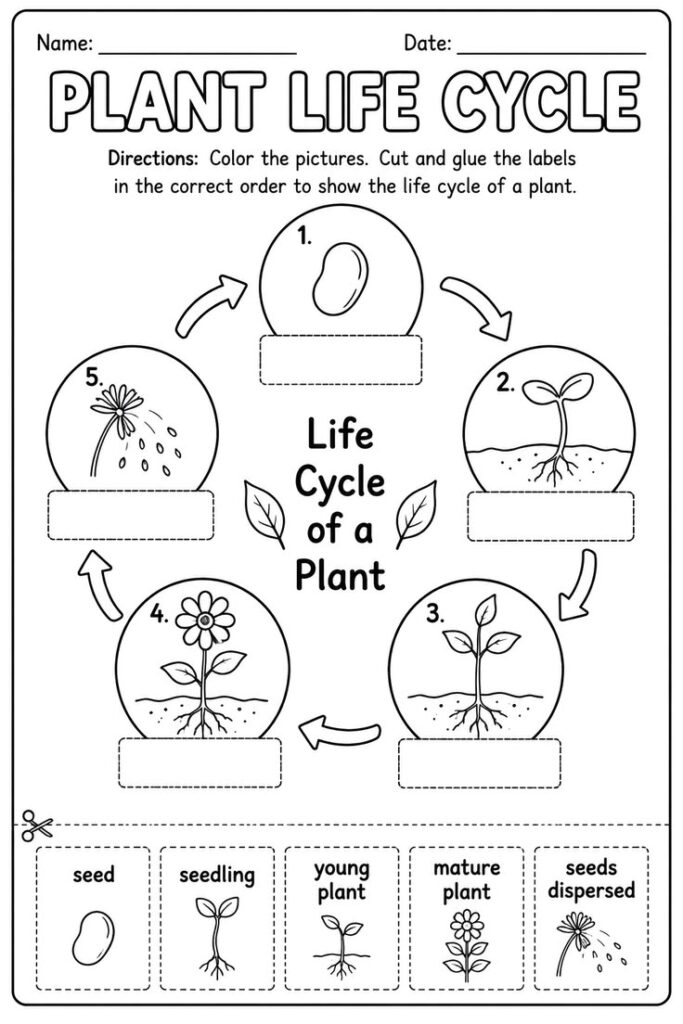
These worksheets support important early science skills such as labeling body parts or plant parts, sorting living and nonliving things, matching animals to habitats, and observing changes in a life cycle diagram. They also help students practice basic classification by grouping items with shared features. Because the tasks are simple, students can focus on understanding rather than decoding complicated text. For class or home use, choose pages that reinforce one learning goal clearly and leave room for students to think, point, circle, and explain in their own words.



