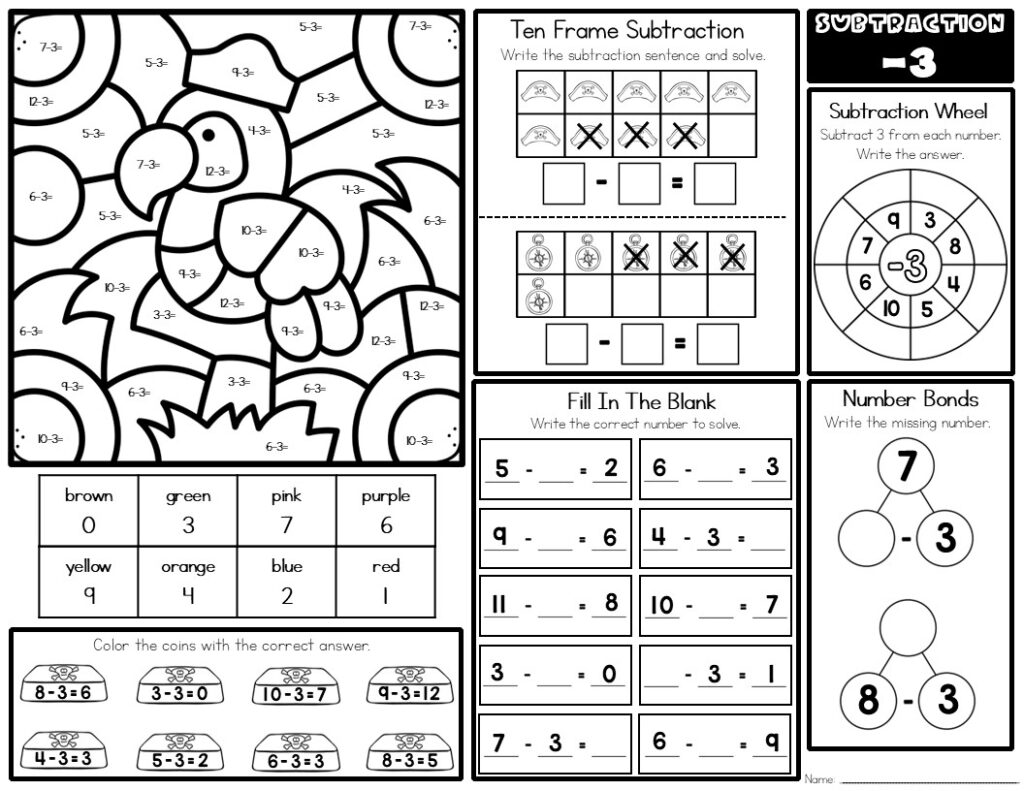
Math fact fluency worksheets help elementary learners practice basic addition, subtraction, multiplication, and division facts until answers become quick and accurate. The best worksheets keep practice focused, short, and age-appropriate, so students can build recall without getting overwhelmed. For teachers and families, the goal is simple: choose sheets that match the learner’s current skill, then use them regularly to check progress and reinforce mastered facts.
What Good Worksheets Include
Useful math fact fluency worksheets usually mix a few key features. Short timed practice builds speed with a limited set of facts, while mixed review helps students retain older skills instead of only practicing one pattern. Fact families are especially helpful for showing the connection between addition and subtraction or multiplication and division. Strong worksheets also progress by skill level, moving from easier facts to more complex combinations so students can work with confidence.
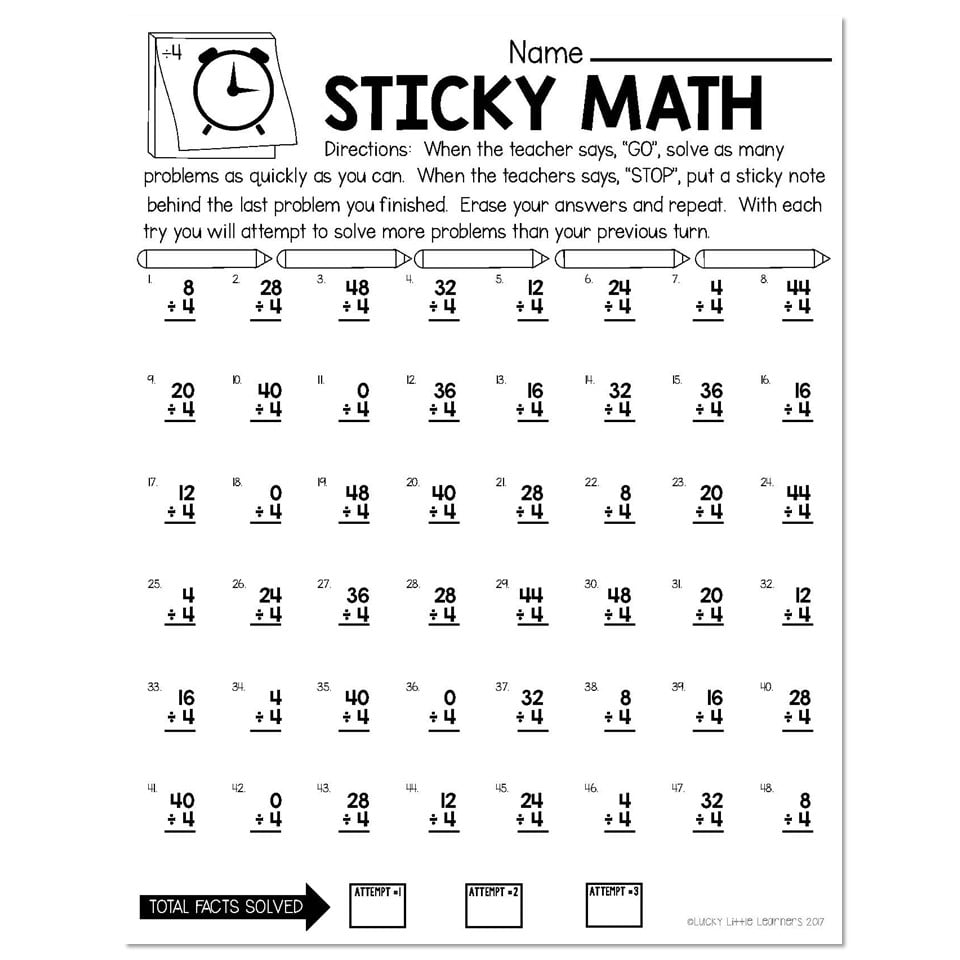
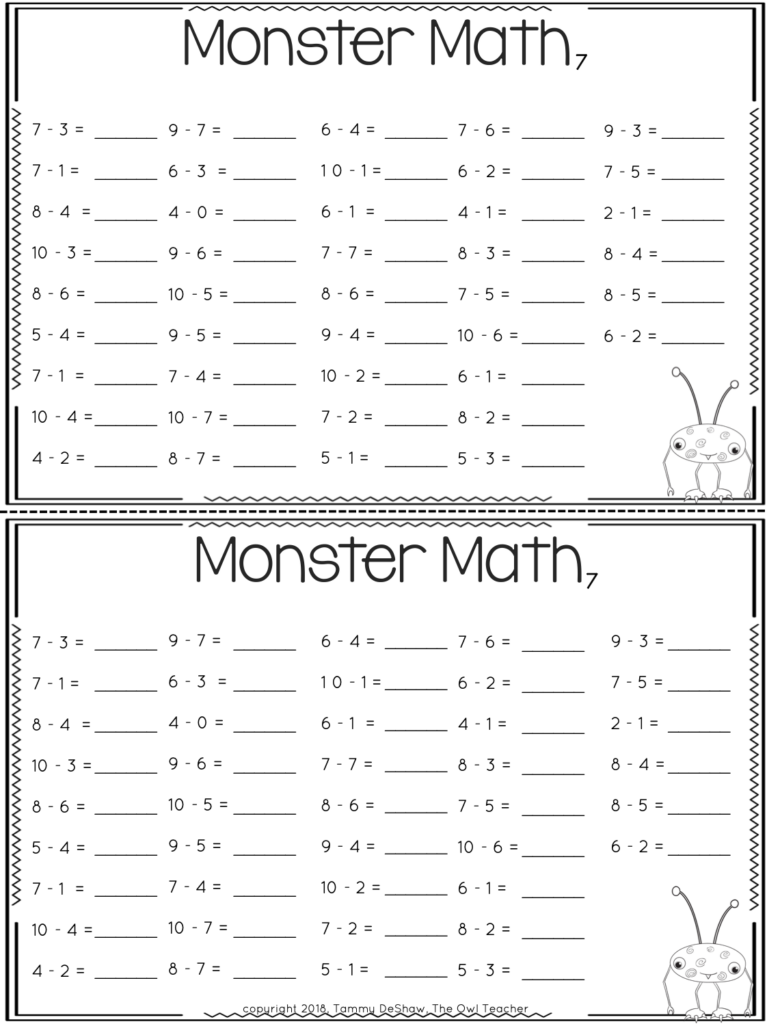
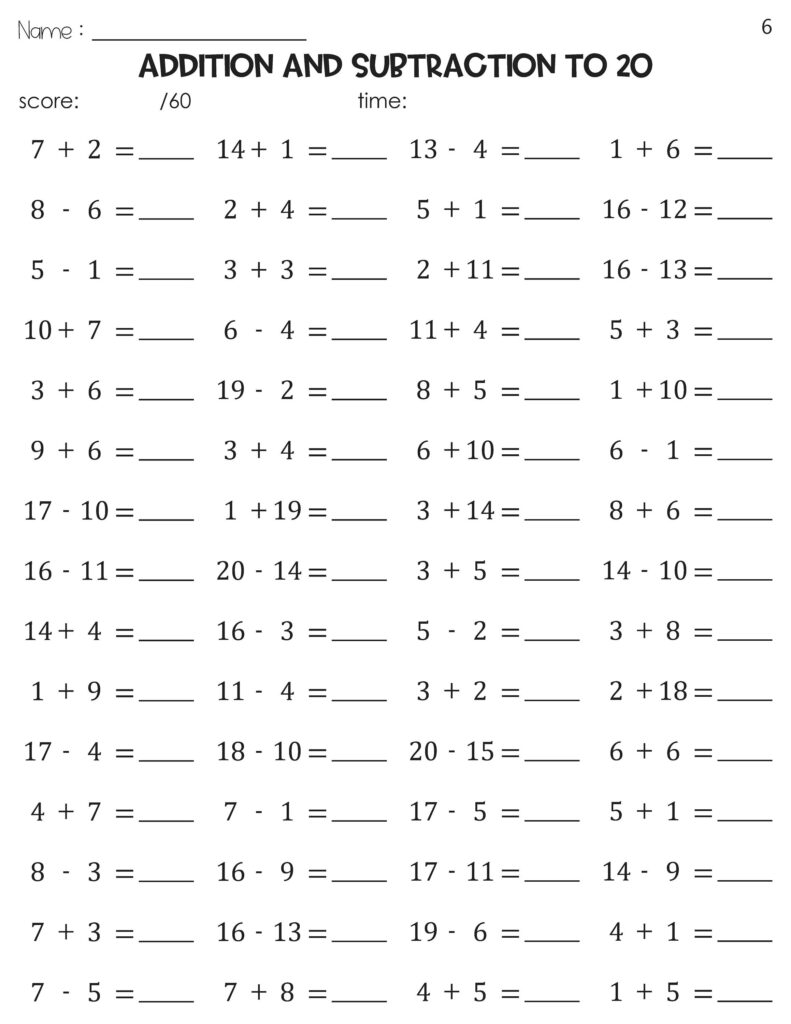
Math fact fluency should be practical, not abstract. For younger learners, addition and subtraction fluency means solving simple facts quickly and accurately, often within 10 or 20. For older elementary students, multiplication fluency usually focuses on instant recall of basic tables, and division fluency connects to those same facts. A good worksheet supports both accuracy and speed, so students can answer correctly first and then gradually work faster as their recall improves.
Choosing By Skill Level
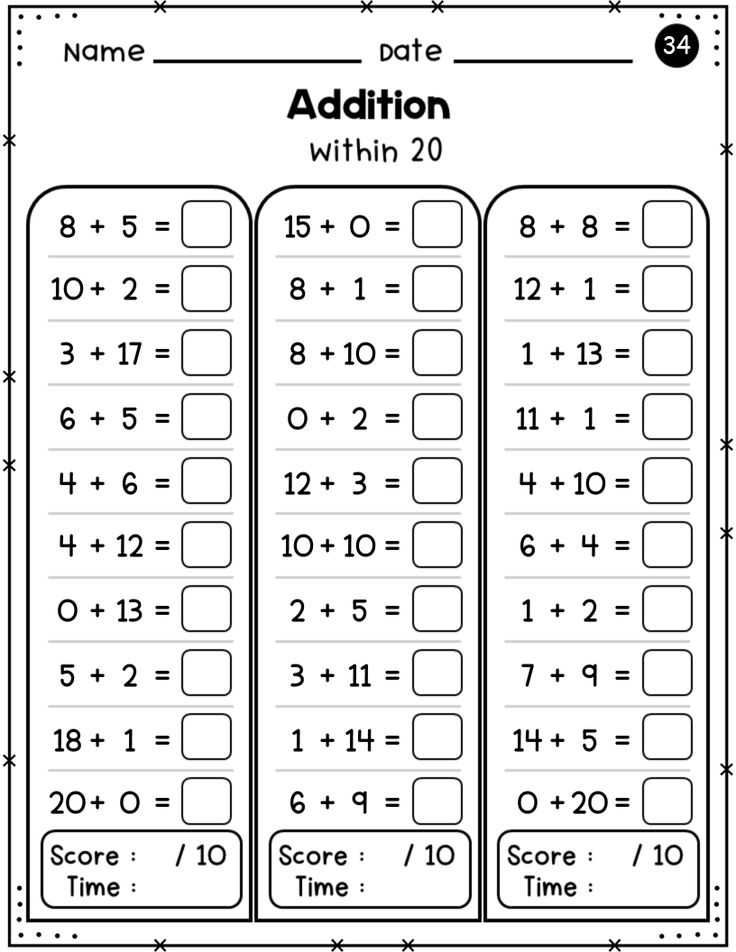
Match worksheets to the learner’s grade and current mastery, not just the grade printed at the top. A student who still counts on fingers may need single-skill practice, while a student who knows basic facts can handle mixed review. Look for sheets that match the goal: accuracy practice for new facts, timed practice for fluent facts, and review pages for maintenance. If a set jumps too quickly to harder facts, it can slow progress instead of helping it.
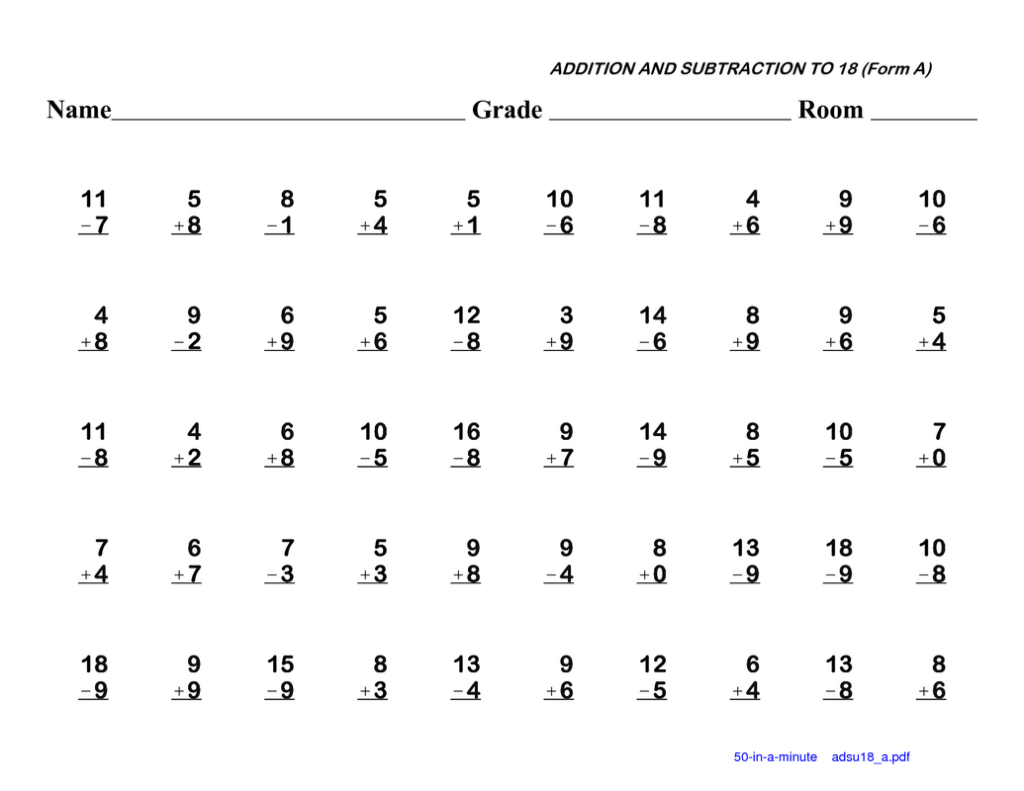
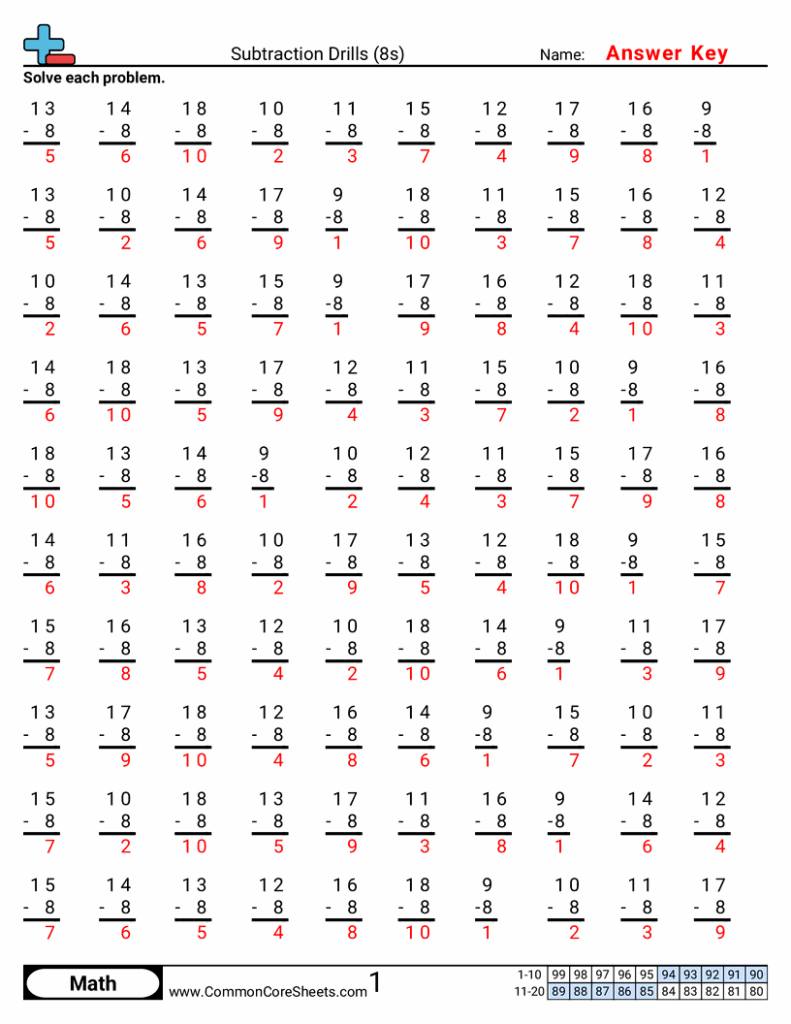
For effective practice, use math fact fluency worksheets in short, regular sessions rather than long drills. A few minutes several times a week is usually more helpful than occasional marathon work. Check mastery before moving on by looking for both correct answers and a reasonable pace. If a student misses many items, return to a narrower set of facts before adding more. The best worksheet routine is steady, simple, and matched to what the learner is ready to do next.