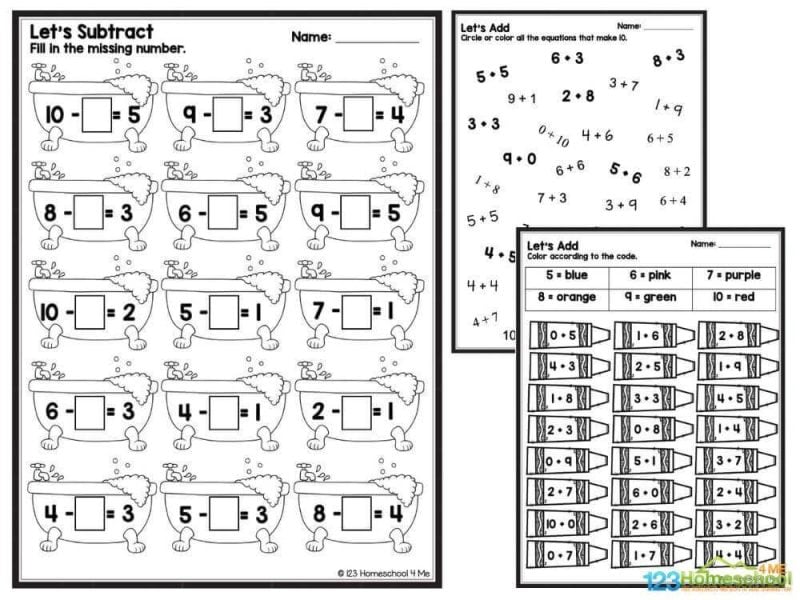
Mathematics addition and subtraction worksheets are designed for steady practice with two core number skills: joining numbers and taking them away. The best worksheets make it easy to work through simple facts, mixed exercises, and gradually harder problems without extra clutter. For parents, teachers, and tutors, the goal is usually the same: find a worksheet that supports quick practice, clear thinking, and repeated reinforcement.
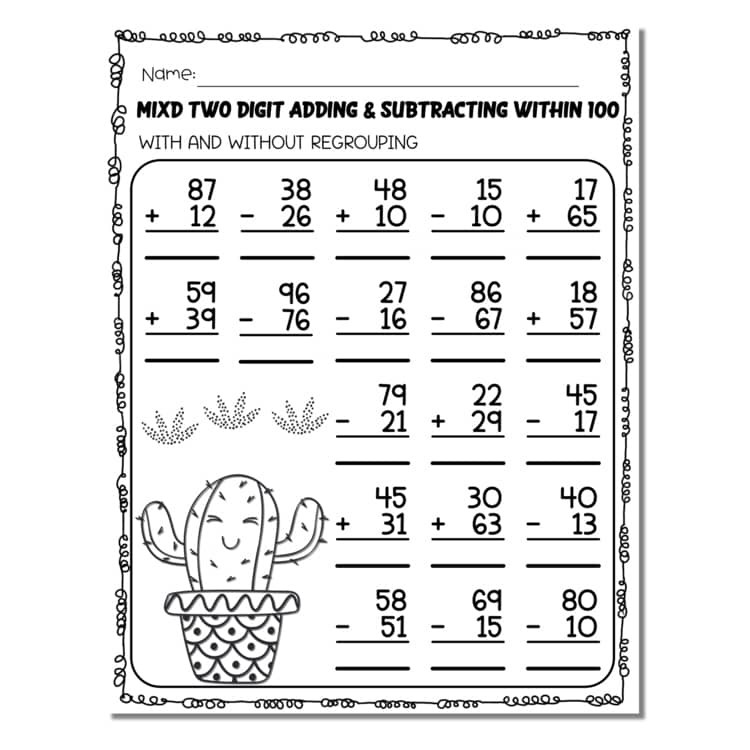
What They Practice
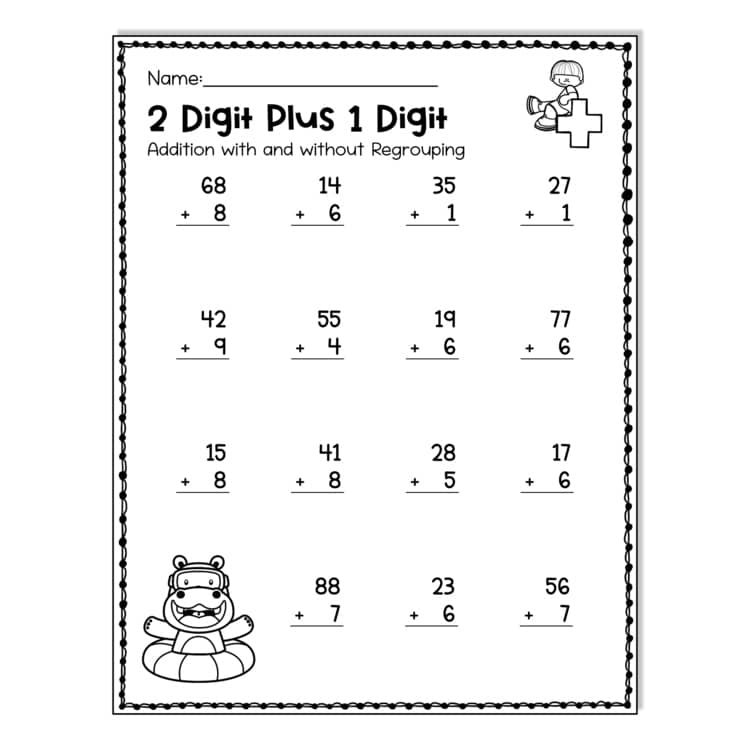
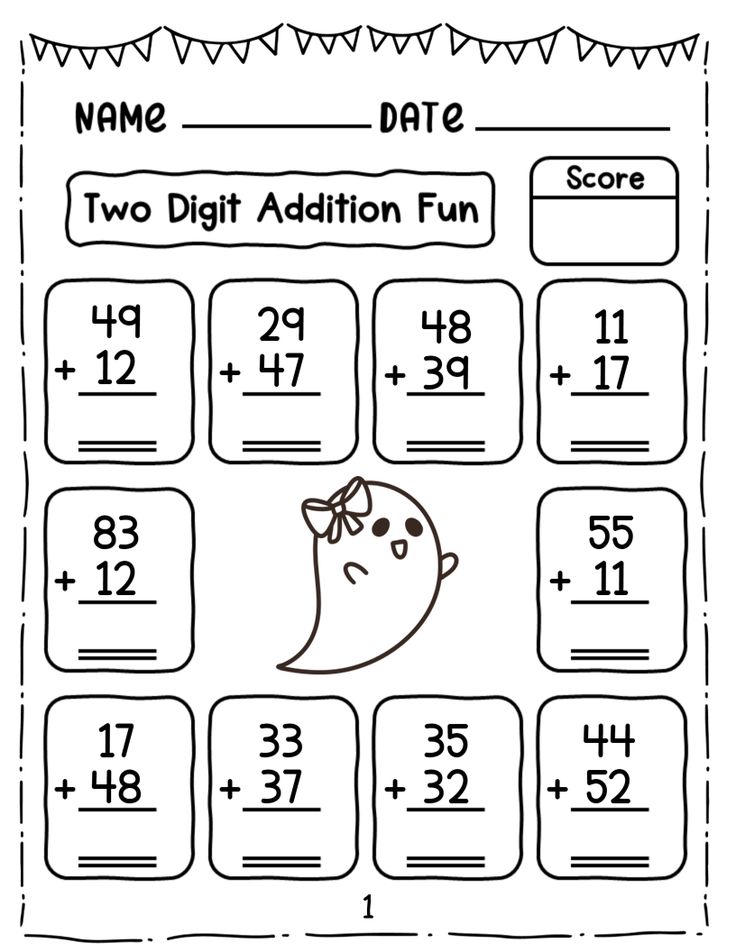
These worksheets usually focus on basic computation rather than broad math lessons. At the early level, they may use single-digit facts, number bonds, or simple sums and differences within 10 or 20. More advanced sets often mix addition and subtraction on the same page so learners can switch between operations. That mix is useful for building speed and accuracy, especially when a child already knows the individual facts but needs more repetition to stay confident.
Choosing The Right Level
A useful worksheet matches the learner’s grade and current skill level. Younger children may need large print, fewer problems per page, and visual supports such as objects or number lines. Older learners may prefer compact pages with more items and larger numbers. Difficulty can also rise in small steps, from one operation to two-step mixes or from horizontal equations to vertical ones. The right level keeps the work challenging enough to matter without making it feel overwhelming.
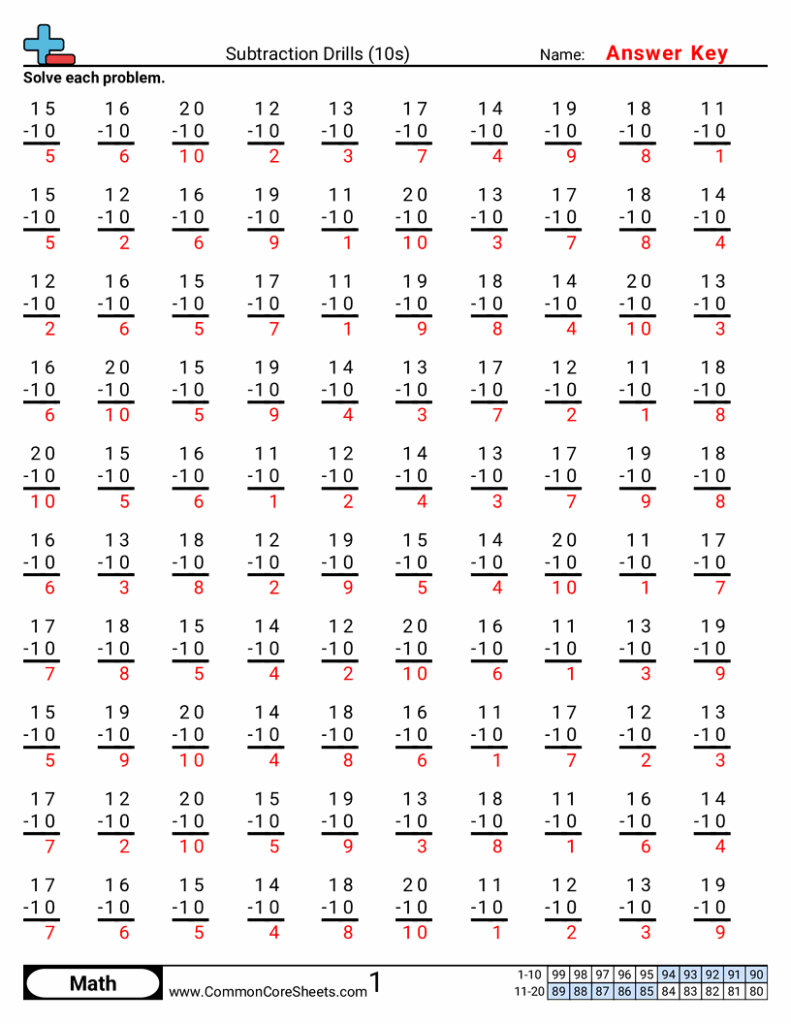
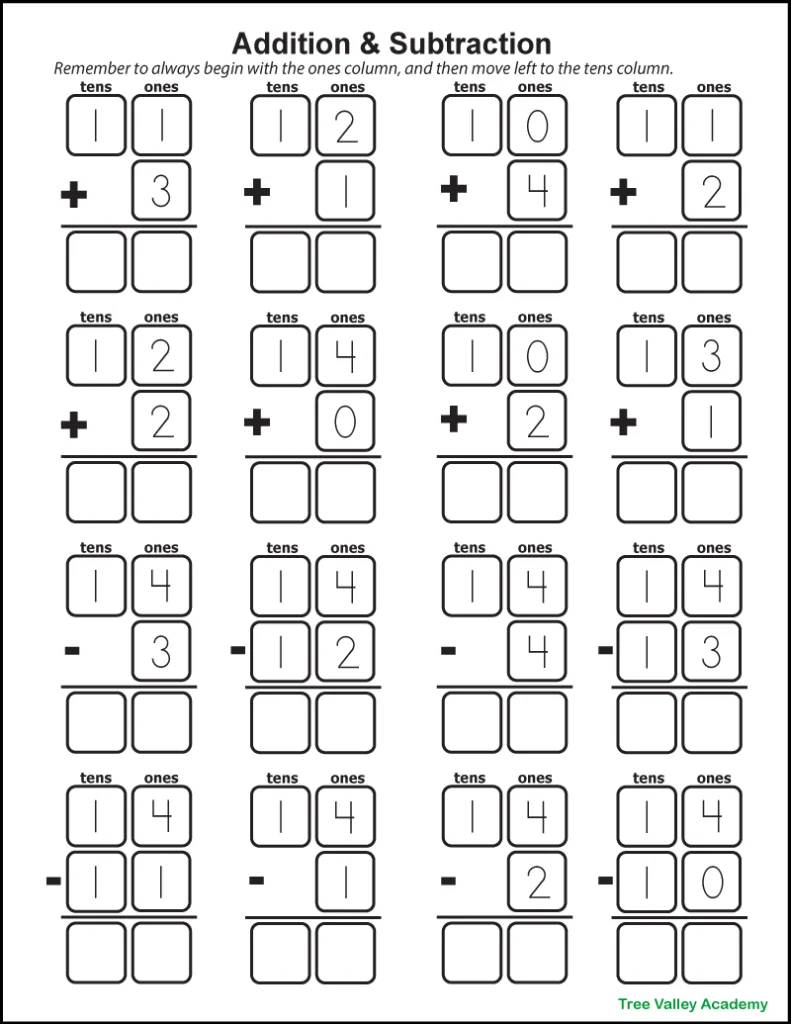
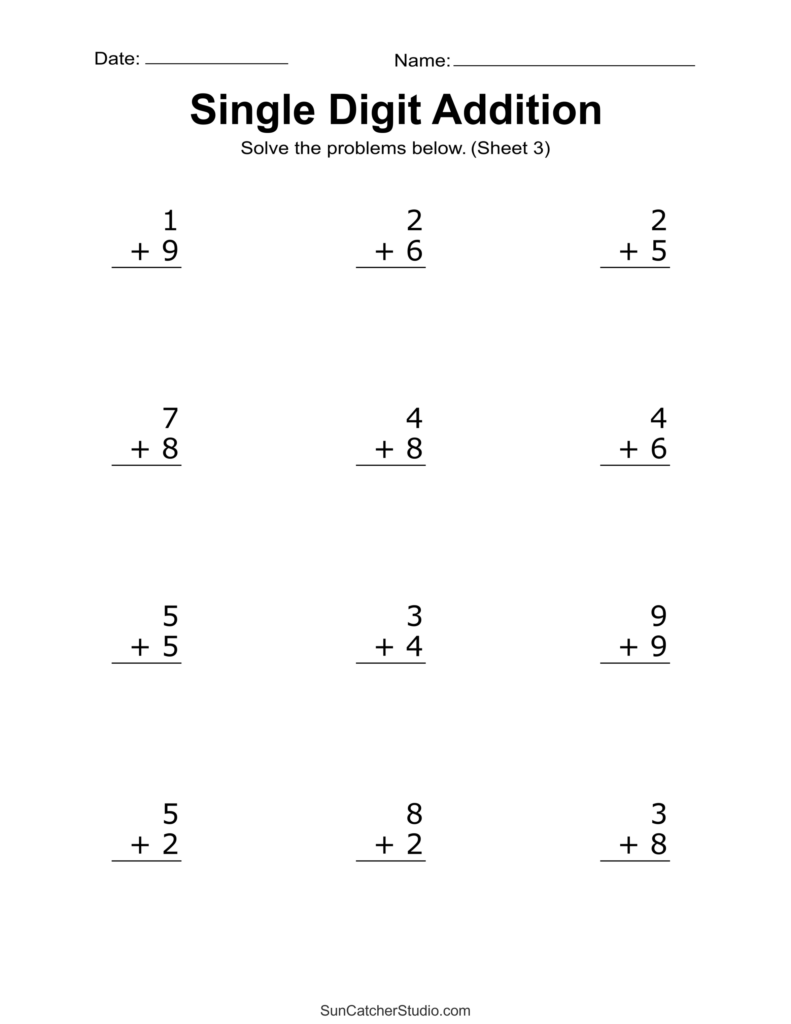
Good layout matters because these worksheets are meant for practice, not decoding. Clear spacing, readable fonts, and uncluttered pages help learners focus on the math. Answer keys are also valuable, especially for quick checking or independent work. It helps to choose worksheets with problems that stay aligned and easy to follow across the page. For the best results, look for age-appropriate content that fits the learner’s attention span and number range, then use a small set regularly instead of treating it as a one-time task.