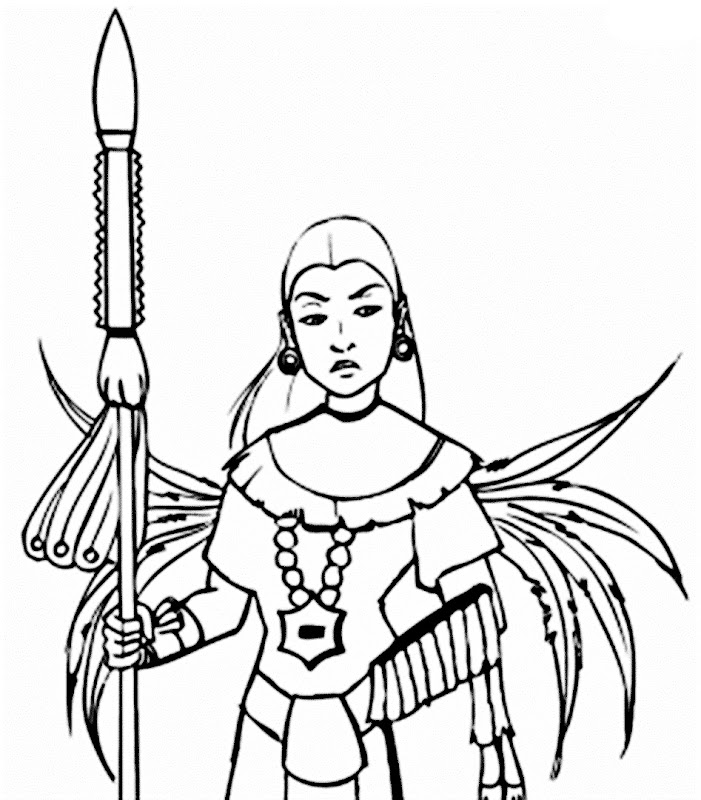
Mayan coloring pages usually mean printable or downloadable sheets that feature Mayan culture in a kid-friendly way. The best versions show recognizable themes like pyramids, temples, glyph-inspired borders, calendars, jaguars, and geometric designs without turning the Maya into a costume or cartoon stereotype. For parents and teachers, the goal is simple: choose pages that are age-appropriate, visually interesting, and respectful of an ancient Mesoamerican civilization.
What to look for
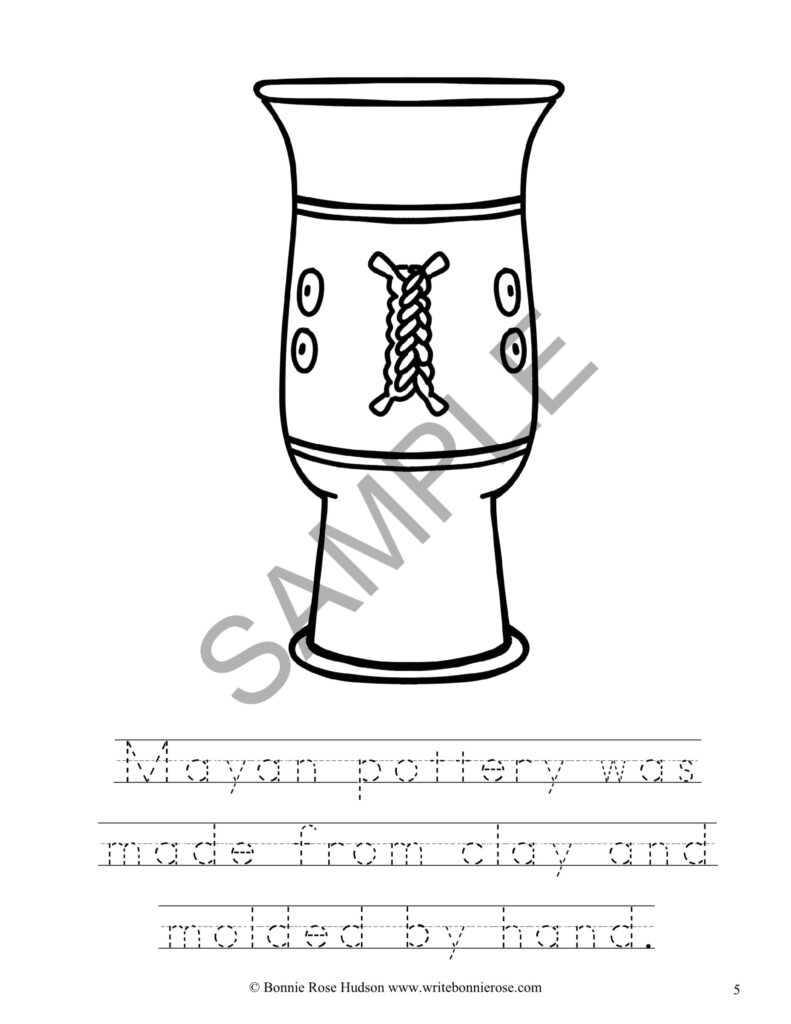
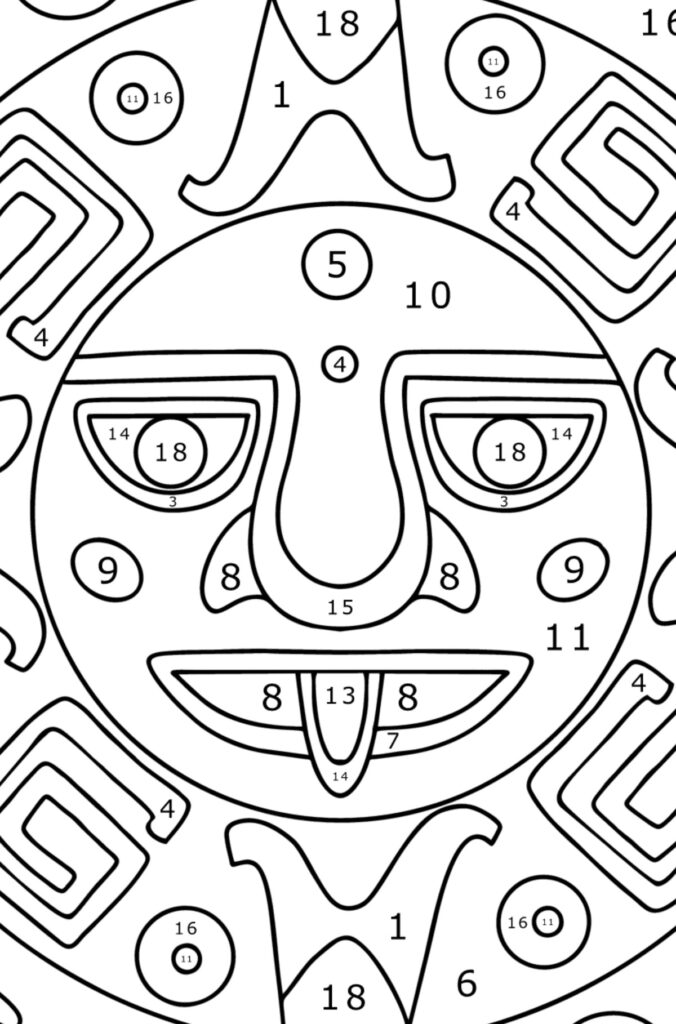
A good Mayan coloring page should include motifs that fit the Maya world and avoid mixing in unrelated symbols from other cultures. Common child-friendly choices are stepped pyramids, stone temples, carved-style patterns, animal imagery, and calendar-inspired circles or panels. If a page names a symbol, make sure the label matches Mayan civilization specifically. Simple outline art works well for younger children, while older kids may enjoy denser patterns or scenes with more architectural detail.
Choosing age fit
For younger children, pick large shapes, thick outlines, and only a few major elements, such as one pyramid, one jaguar, or a single glyph border. That keeps coloring manageable and helps them recognize the theme. Older children can handle finer line work, repeating geometric borders, and more detailed temple scenes. The best age fit is not just about skill level; it also helps the page feel clear enough that the cultural subject stays visible instead of becoming a jumble of tiny lines.
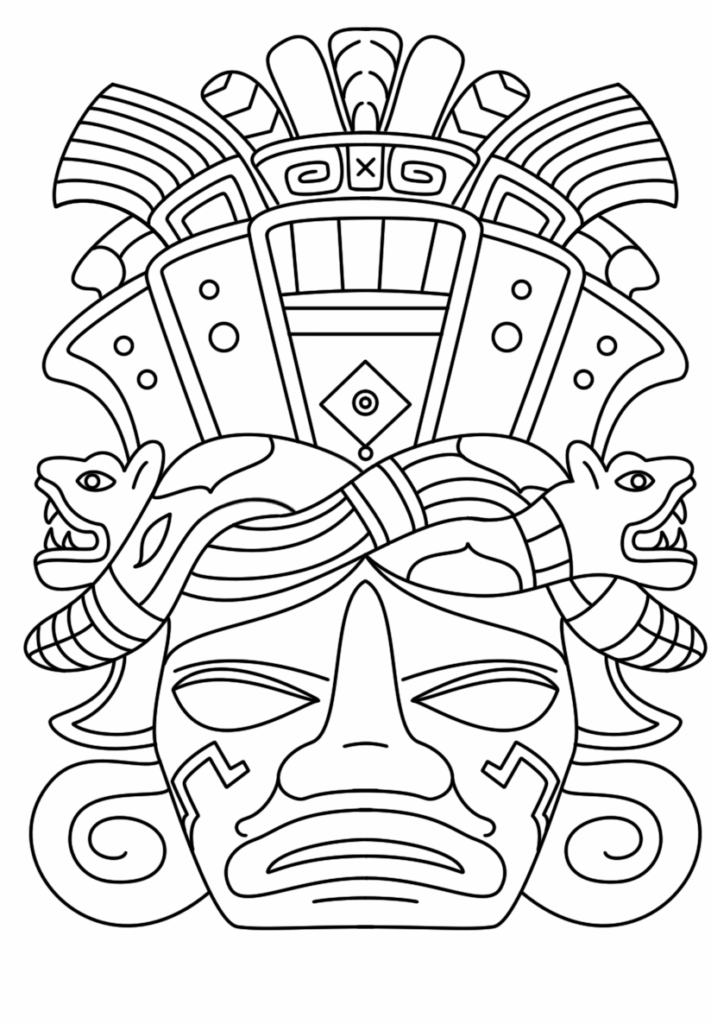
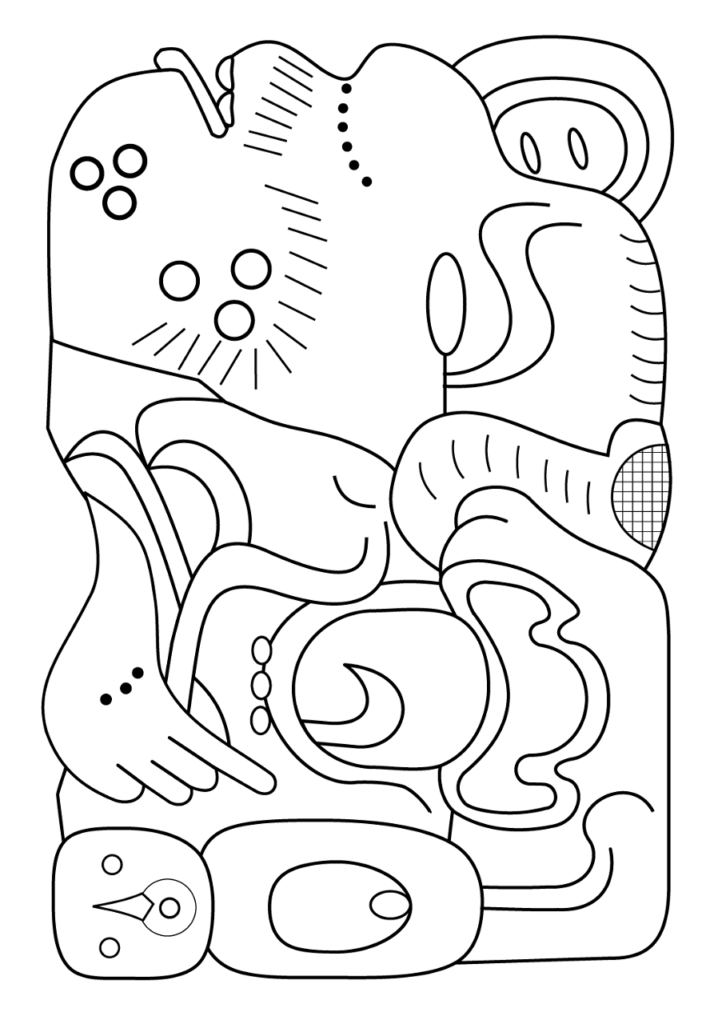
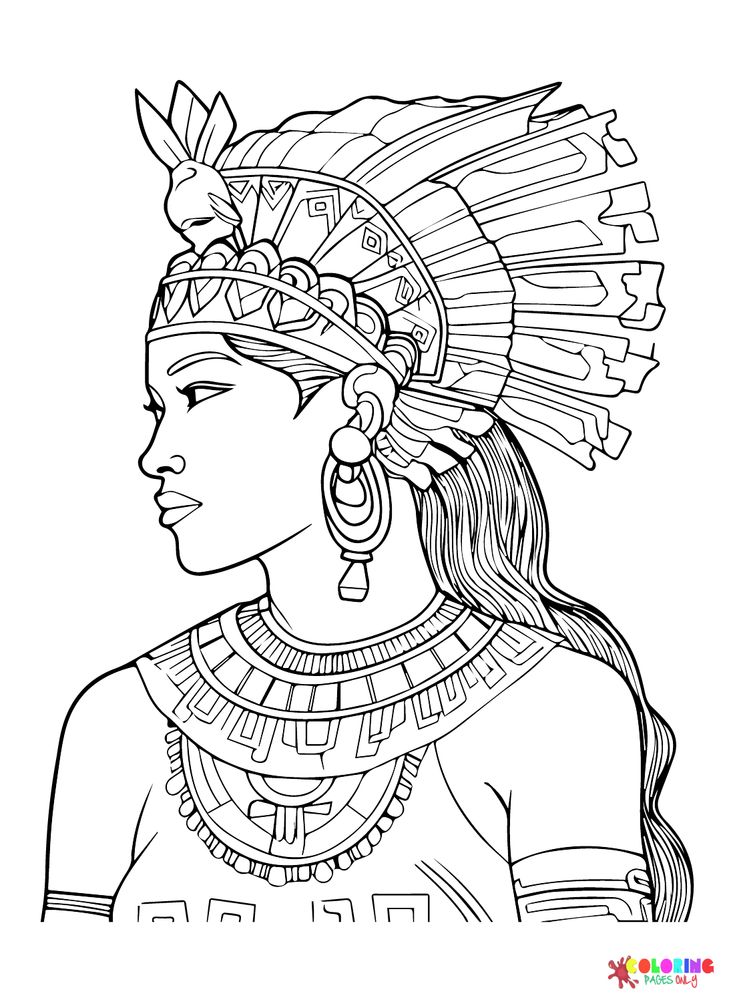
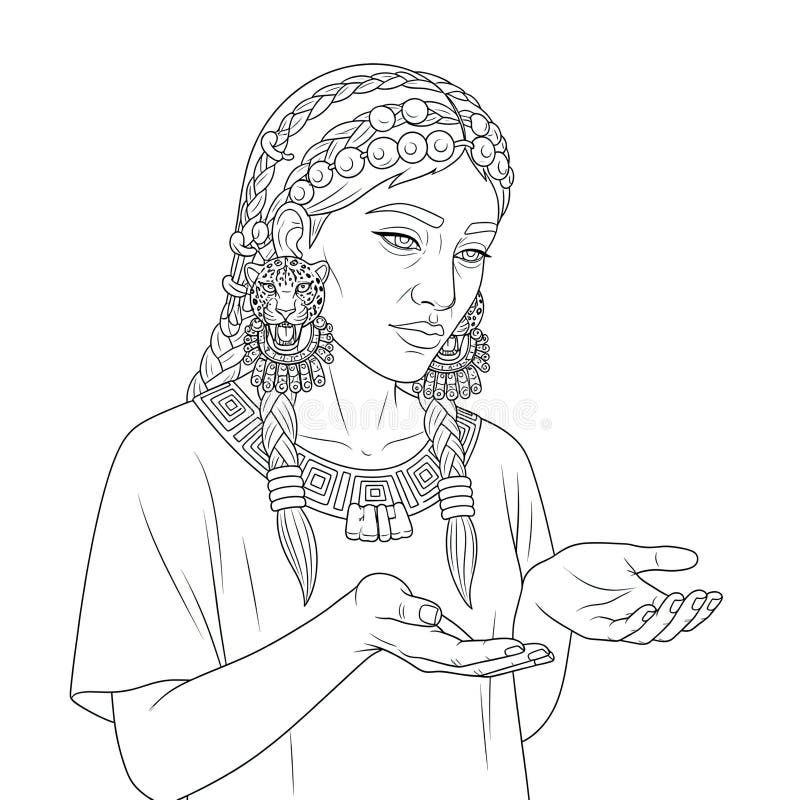
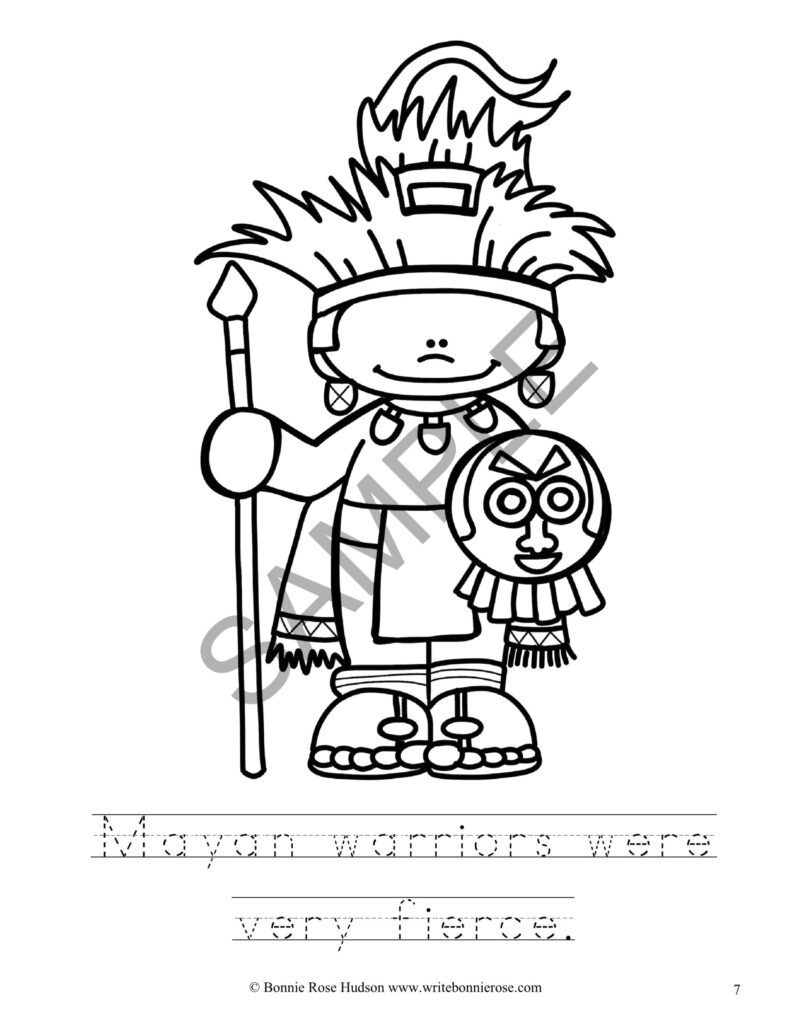
When choosing pages, look for respectful artwork that presents the Maya as a real civilization, not a fantasy setting. Avoid exaggerated “tribal” masks, random headdresses, or mixed Mesoamerican symbols that blur Maya culture with Aztec or generic jungle imagery. It also helps when the art focuses on architecture, art, and pattern rather than caricatures of people. A practical next step is to pick one simple page and one detailed page, so children can color while seeing both the basic shapes and the richer cultural design elements.