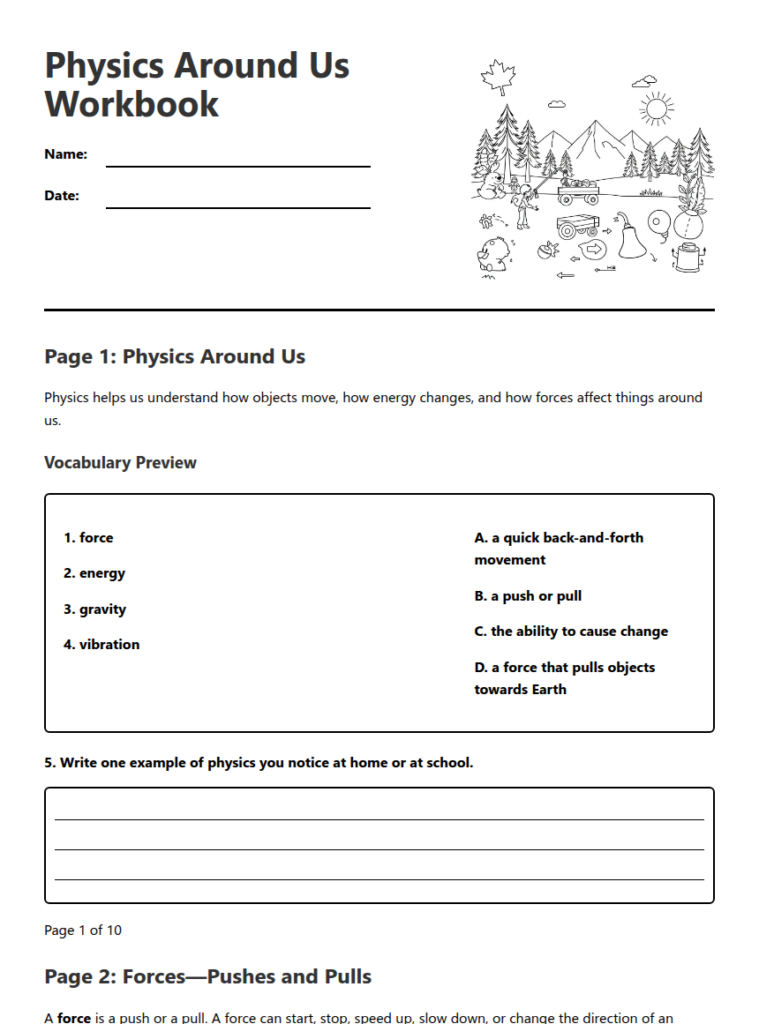
Physical science worksheets with diagrams are most useful when they help a student read, label, or interpret a visual, not just answer a definition. The best options usually focus on one clear topic and pair it with a diagram that supports practice. Look for worksheets on forces and motion, matter, energy, electricity, or simple machines, since those areas are commonly taught with visuals.
Common worksheet topics
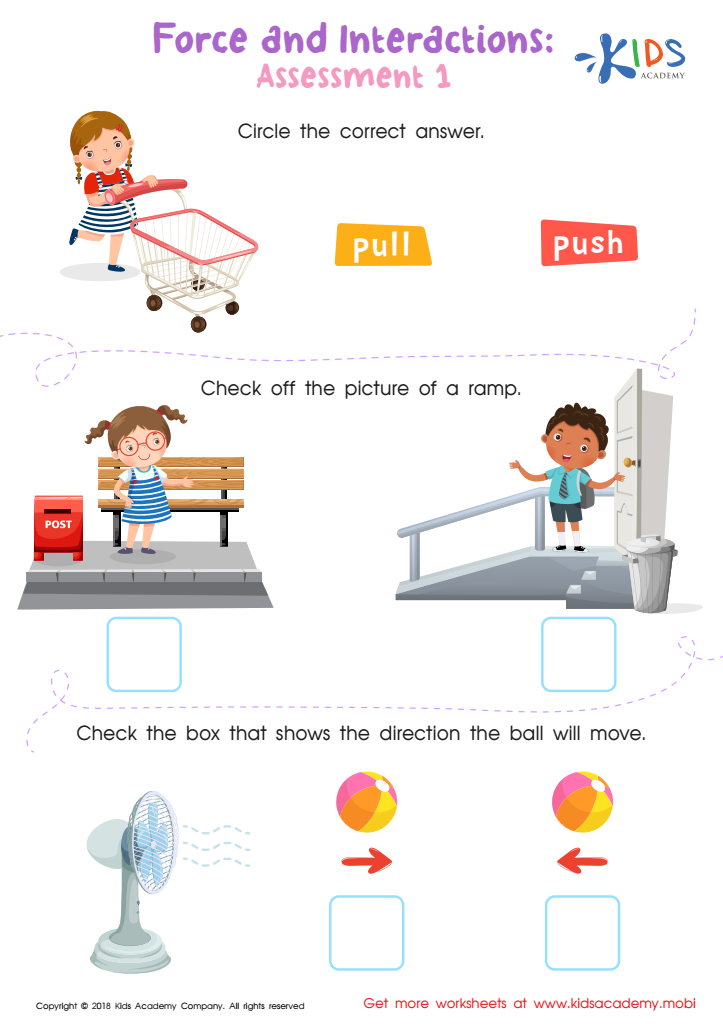
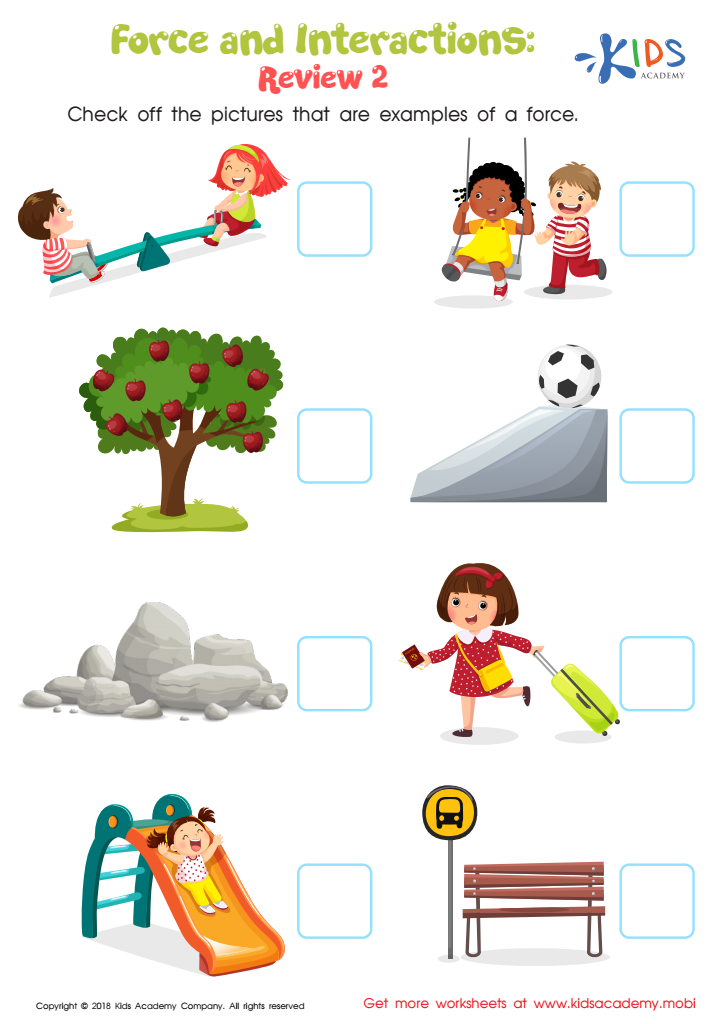
Forces and motion worksheets often use arrows, ramps, position lines, or movement scenes to show direction, speed, and push-pull ideas. Matter worksheets may include particle models, phase-change diagrams, or sorting charts for solids, liquids, and gases. Energy worksheets often use flow diagrams, heat transfer visuals, or simple circuit-style pictures. These are especially helpful when the student has to match terms to parts of a diagram or explain what changes are shown.
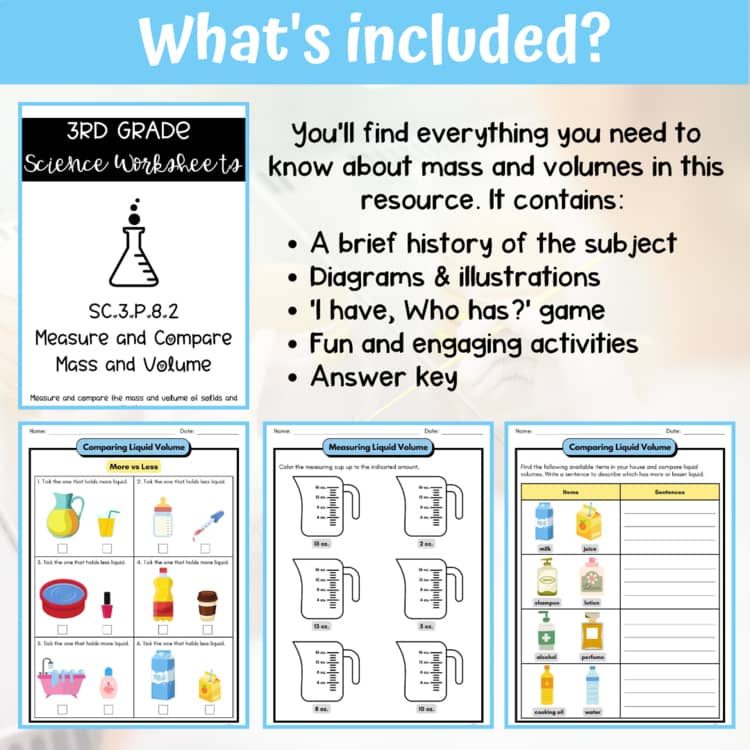
The most useful diagram-based worksheets are easy to read at a glance. Labels should be large enough to match to the correct part of the picture, and answer spaces should fit the task, whether that means writing a word, circling a choice, or numbering steps. Good worksheets also use clear scale when size or distance matters, especially in motion or measurement tasks. If the diagram is cluttered or decorative, it is usually harder to use for practice or review.
How to choose well
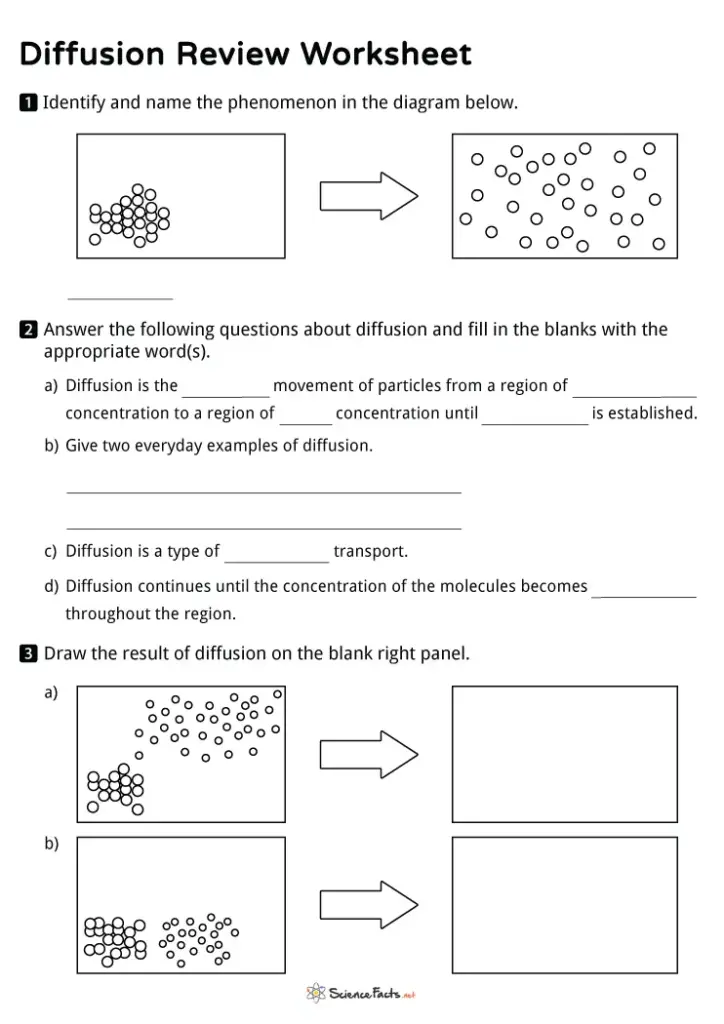
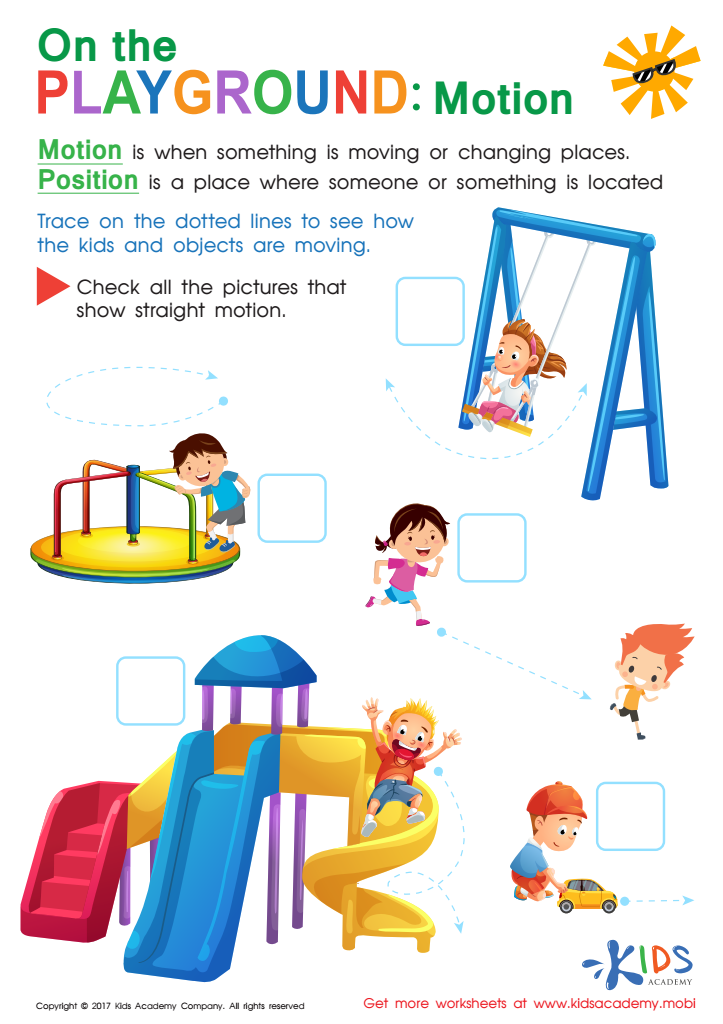
Grade level matters because diagram complexity should match reading demand and science knowledge. Younger students usually need simple pictures, fewer labels, and direct matching tasks. Older elementary or middle school worksheets can ask for interpretation, cause and effect, or short explanations using the diagram as evidence. Also check whether the worksheet is built for practice, review, or assessment. Practice pages can be more guided, while assessment sheets should rely on less scaffolding and clearer independent work.

For simple machines and basic electricity, diagrams are especially useful because they show parts and relationships that are hard to explain in words alone. A lever, pulley, wheel and axle, or inclined plane worksheet should show the force path or moving parts clearly. An electricity worksheet should include batteries, wires, bulbs, switches, or circuit symbols that students can identify. The best choice is the one that fits the task: label it, match it, or interpret it without extra confusion.