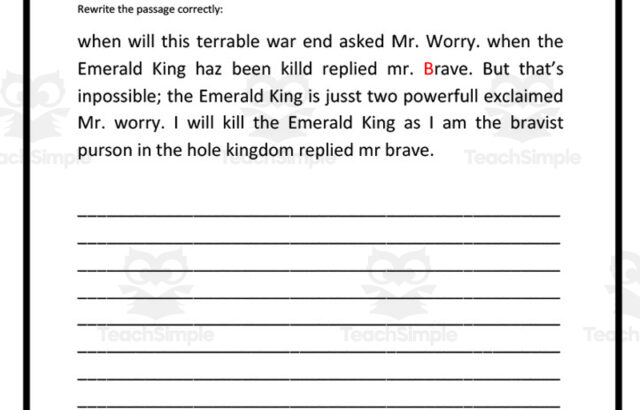
Preschool behavior worksheets can help young children practice simple expectations in a visual, low-pressure way. The best ones focus on everyday skills like listening, waiting, sharing, and calming down after a hard moment. Because preschoolers are still learning through pictures and repetition, worksheets should be brief, clear, and easy to talk through with an adult.
Common Skills They Support
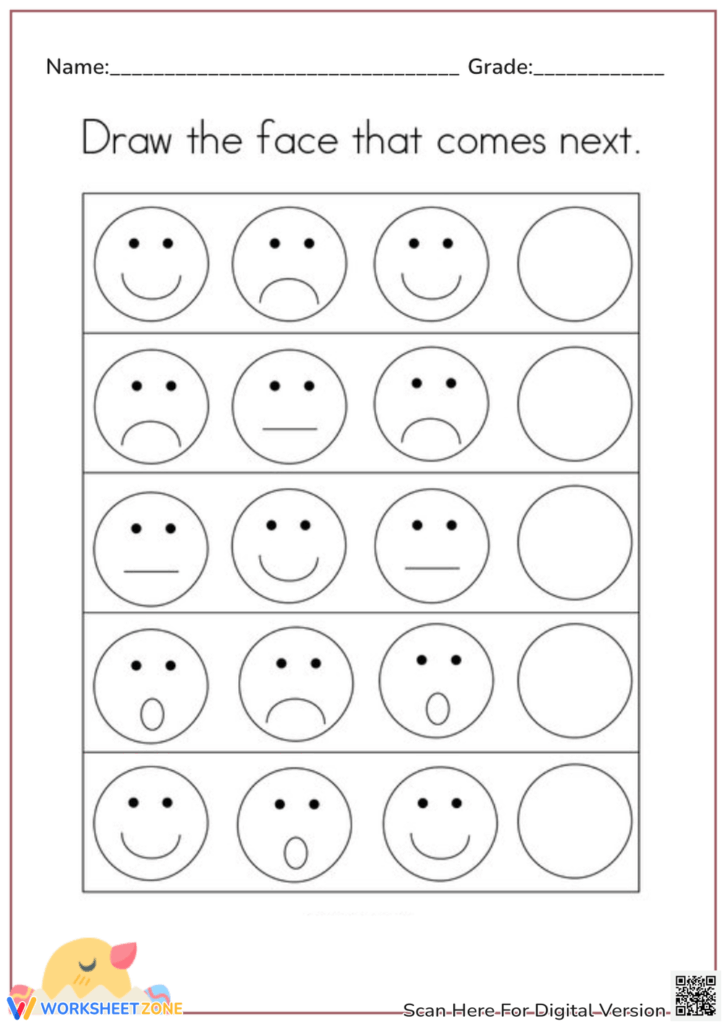
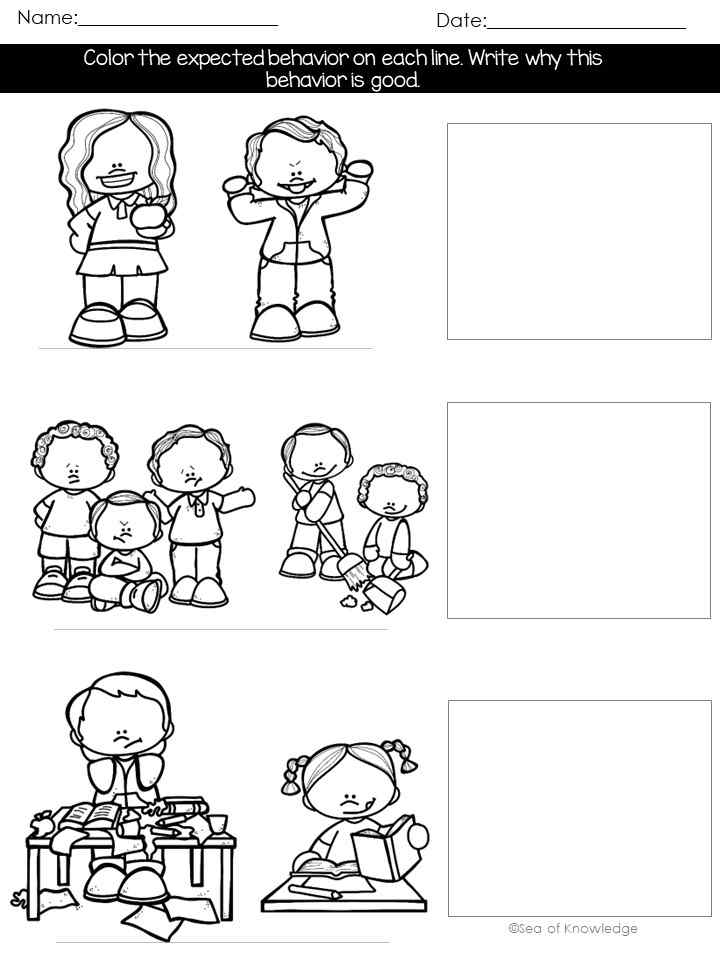
These worksheets work best when they match common behavior goals children meet every day. A child might trace or match pictures for following directions, put steps in order for transitions, or identify what sharing looks like in a classroom. Calm-down worksheets often use feelings faces, breathing prompts, or simple choices like “stop,” “breathe,” and “ask for help.” The goal is not long writing; it is helping preschoolers connect a behavior expectation to a concrete image or action.
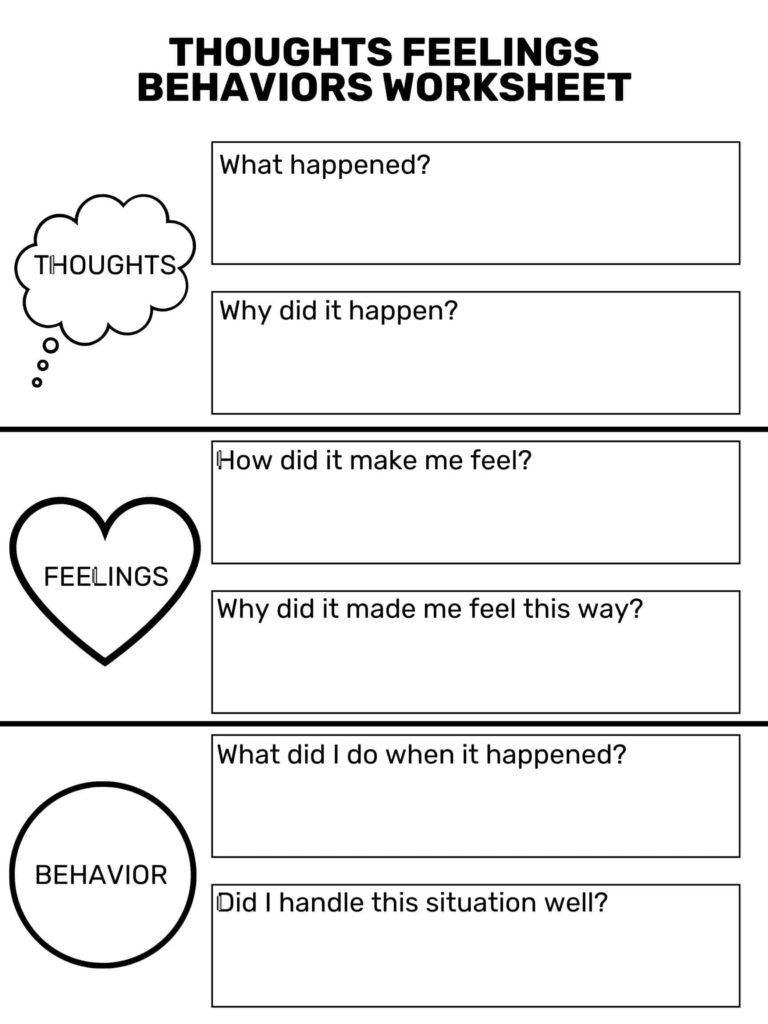
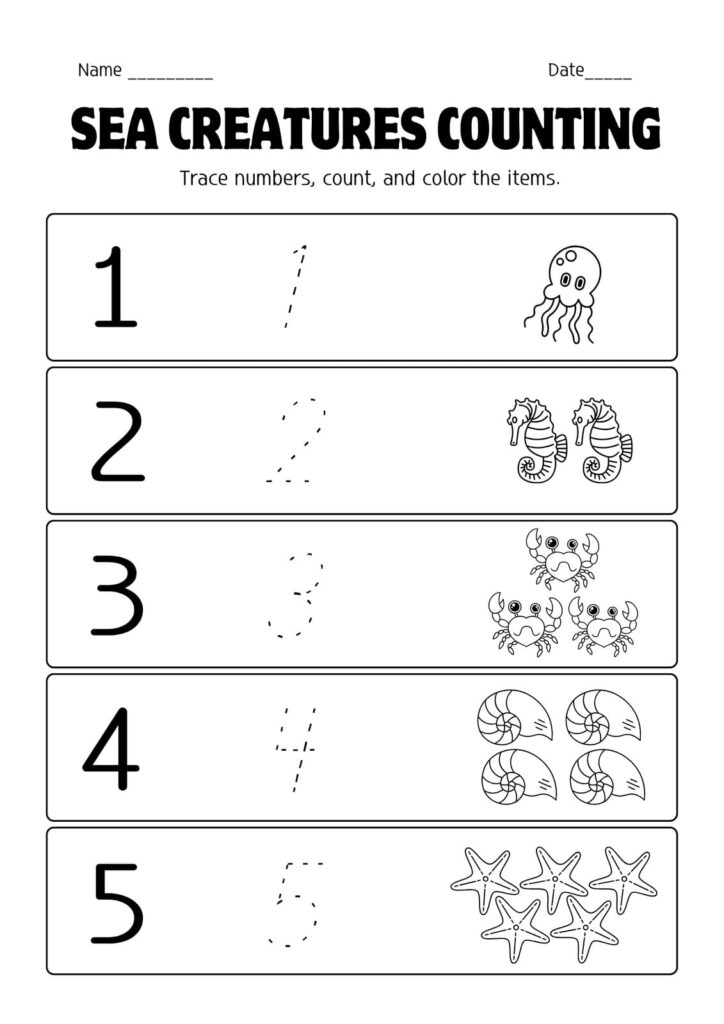
Age-appropriate preschool behavior worksheets are simple at a glance. Instructions should use a few words, large pictures, and one task at a time. Short matching, circling, or cut-and-paste activities usually work better than dense text. The worksheet should feel supportive, not corrective, and the visuals should clearly show the behavior being practiced. If a child cannot understand the task without lots of adult explanation, it is probably too advanced for preschool use.
Using Worksheets Well
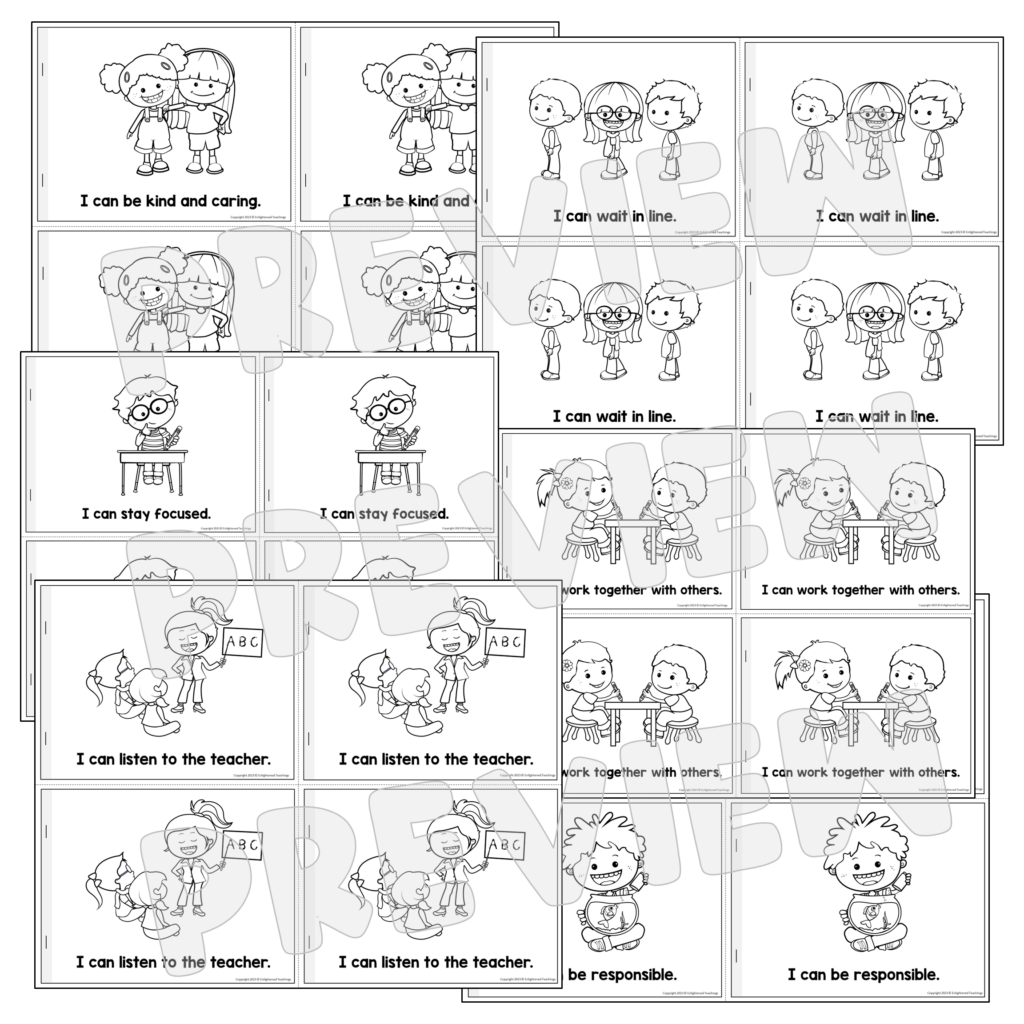
Caregivers and teachers get the best results when worksheets are used briefly and with purpose. They can be introduced before a routine change, used as a quick review before school, or discussed after a behavior moment to practice the expected response. In the classroom, a teacher might use one during morning meeting or small-group time. At home, a parent might review a worksheet before bedtime, cleanup, or a playdate. Talking through the picture matters as much as completing it.
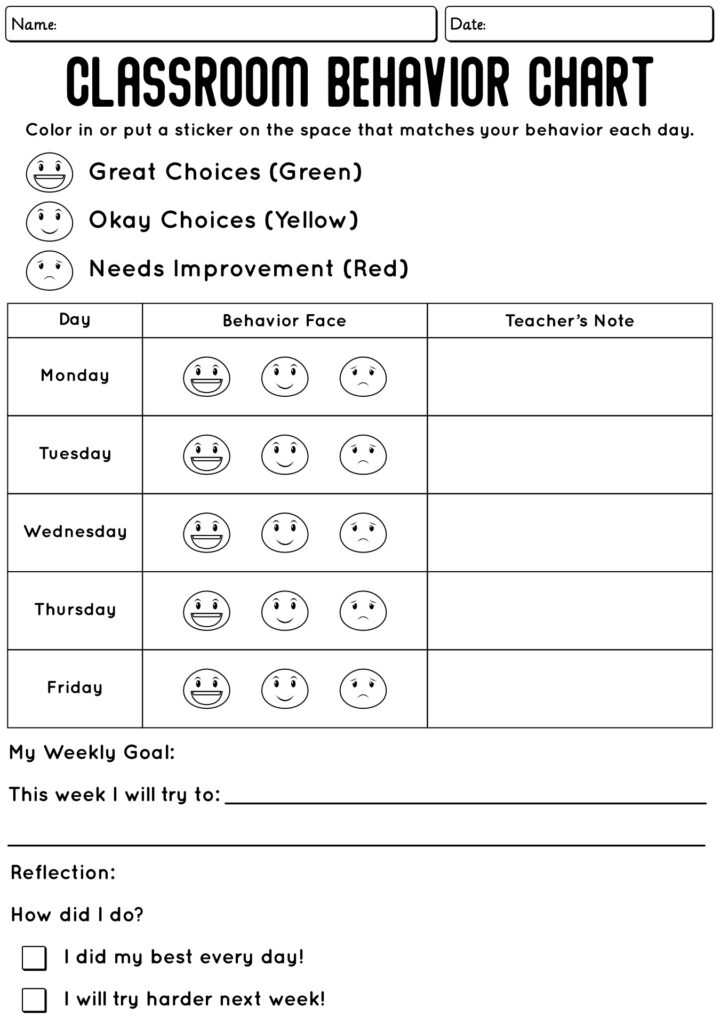
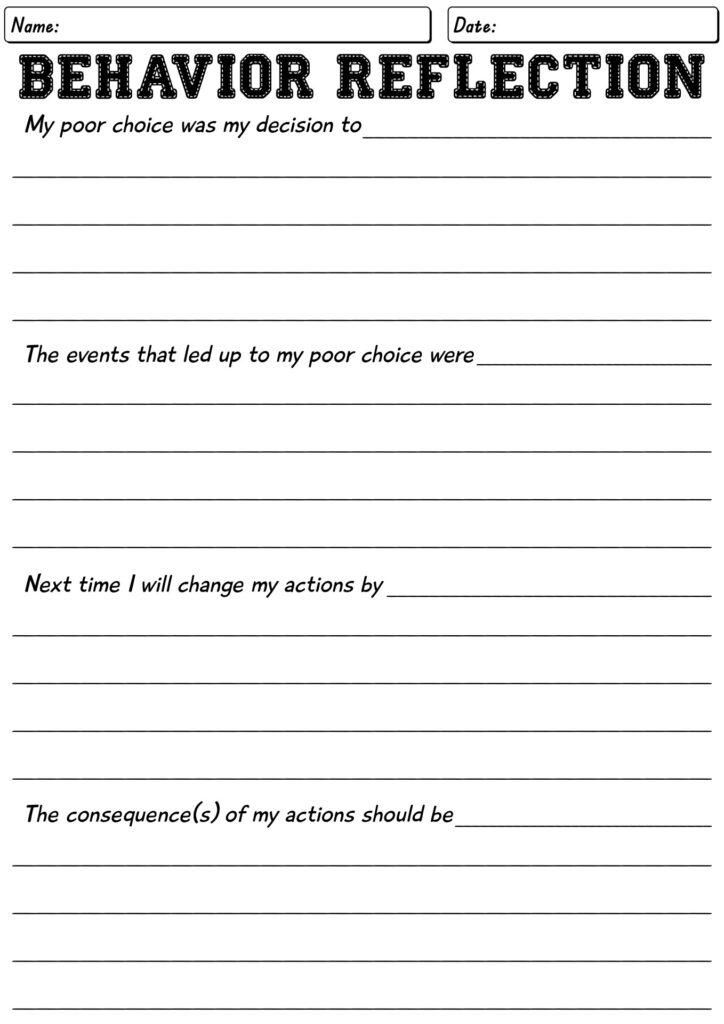
When choosing preschool behavior worksheets, look for positive wording, clear visuals, and a direct fit with the child’s needs. Useful pages show what to do, not just what not to do, and they keep the focus on one behavior at a time. A good worksheet should support a specific routine or skill, such as transitions or calm-down steps, without adding extra clutter. If it is simple enough for a preschooler to understand quickly, it is much more likely to help.