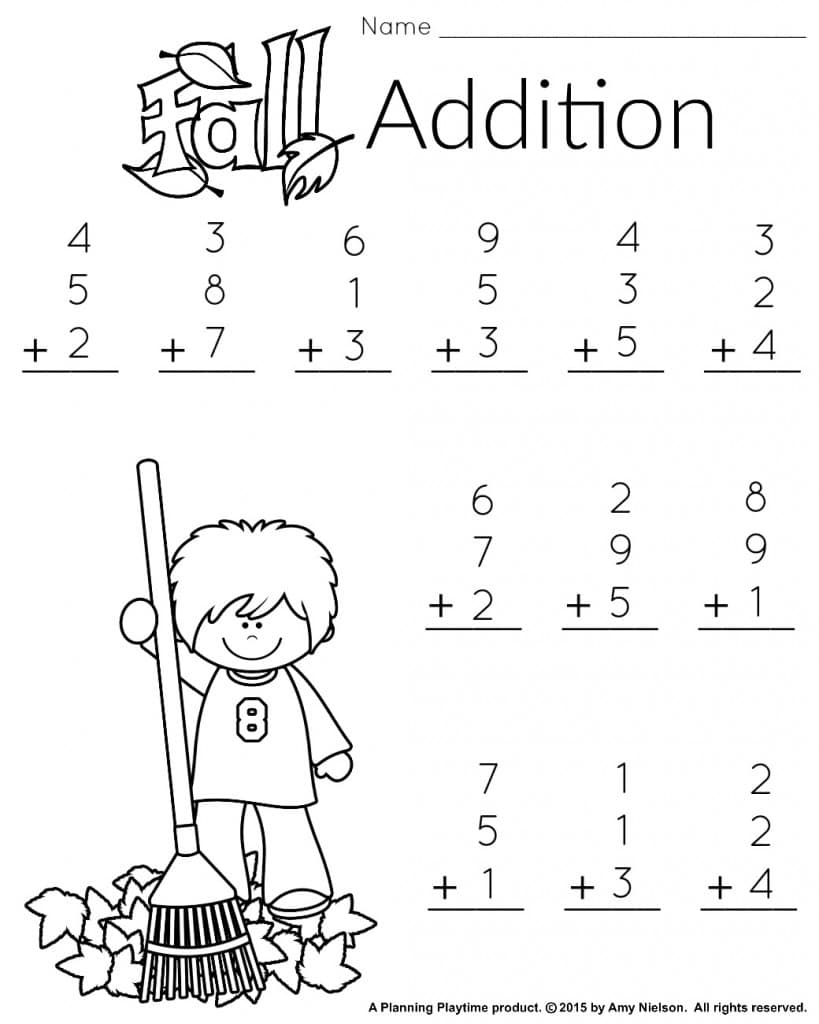
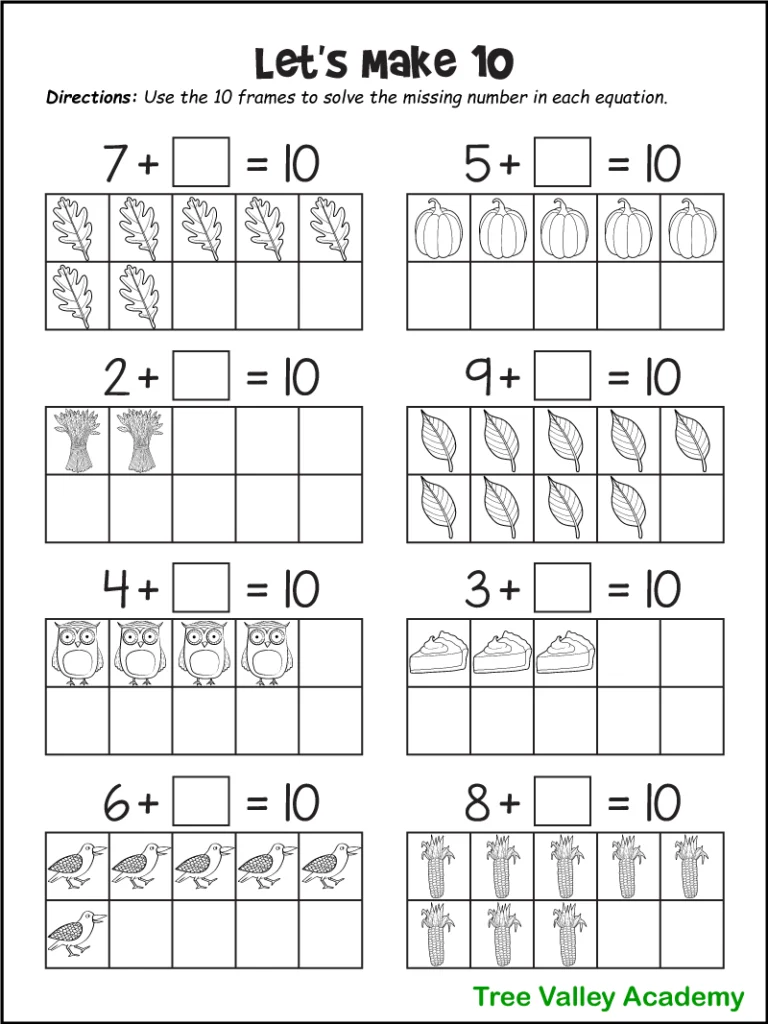
Printable math worksheets for first grade work best when they focus on the skills children are learning right now. The most useful pages make practice simple, short, and clear, so a child can work independently with light support. Parents and teachers usually look for worksheets that reinforce counting, number sense, basic addition and subtraction, and early shape or measurement ideas without overwhelming a first grader.
First-Grade Skills
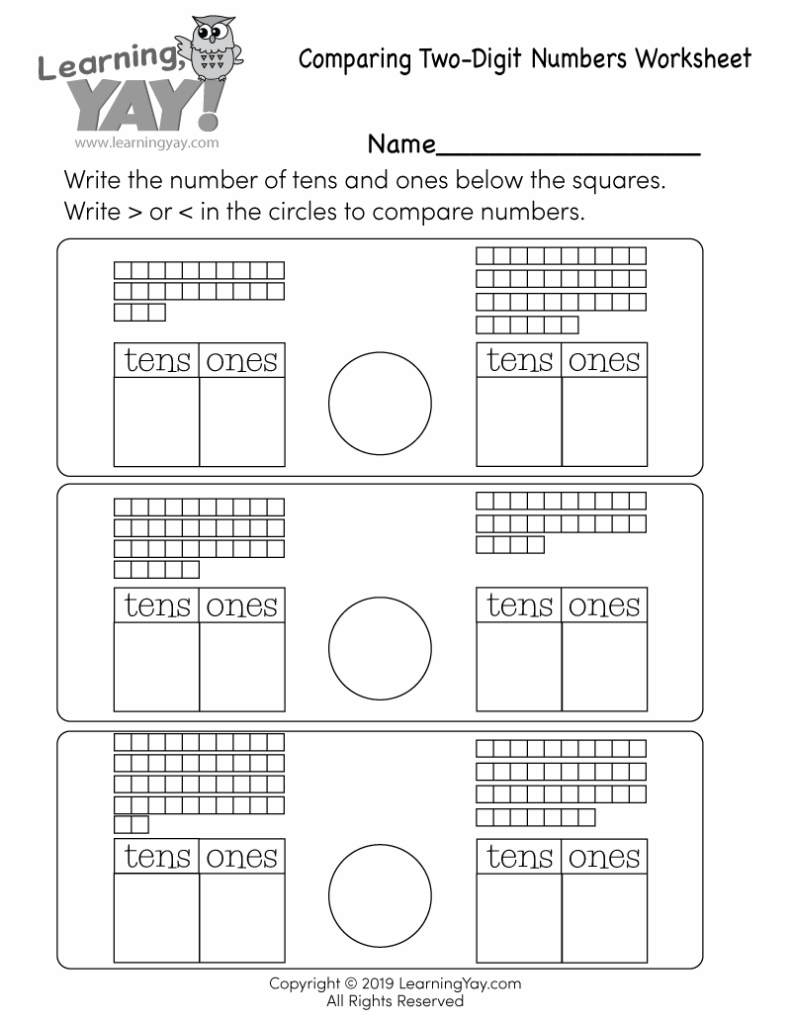
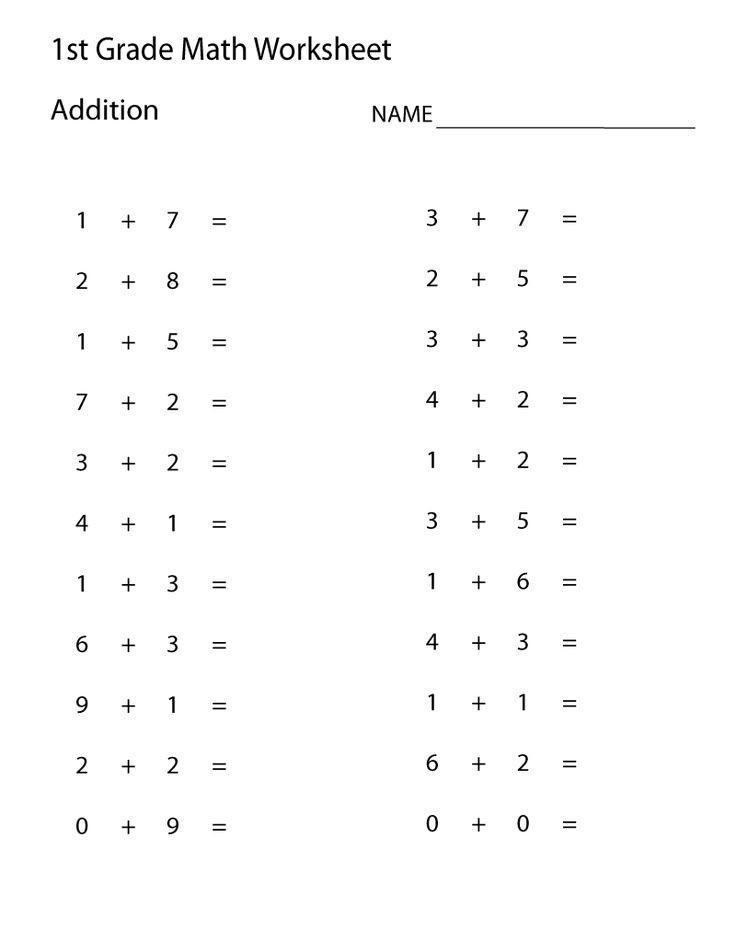
The strongest first-grade worksheets usually target core number work. That includes counting forward and backward, reading and writing numbers, comparing quantities, and adding or subtracting within 20. Many also introduce place value through tens and ones, which helps children understand why 14 is different from 41. Some worksheets add simple geometry, patterning, or measurement so practice stays connected to common first-grade math goals and gives variety without moving beyond the grade level.
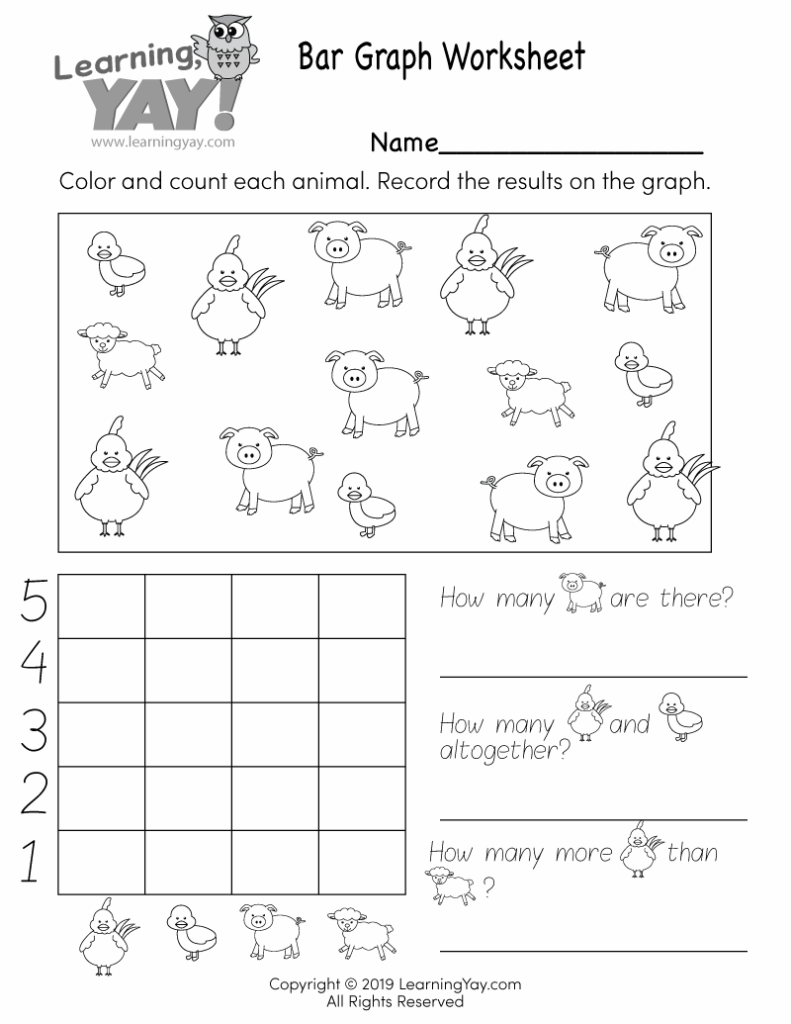
A good worksheet is easy to follow at a glance. Clear directions, large print, and uncluttered pages help first graders stay focused on the math instead of the layout. Problem sets should be short enough to finish in one sitting, with enough spacing for young writers and room to show work. Printable worksheets should also be easy to copy, save, and print cleanly, since many families and classrooms need materials they can use immediately without extra setup.
Choosing the Right Level
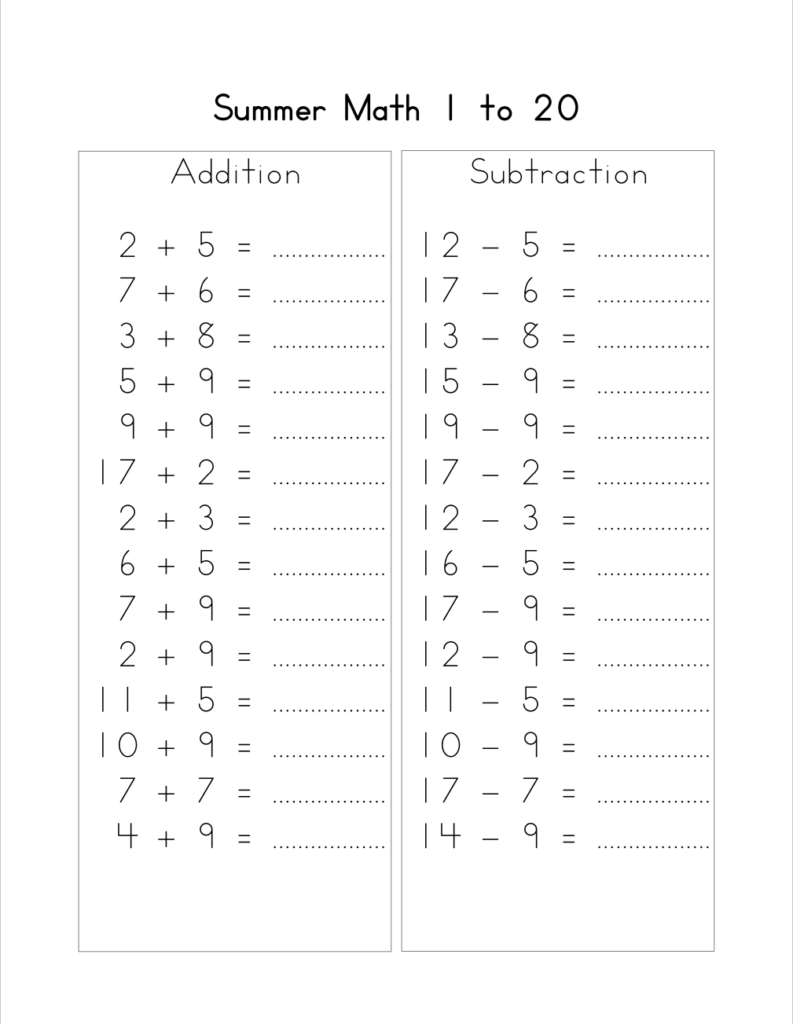
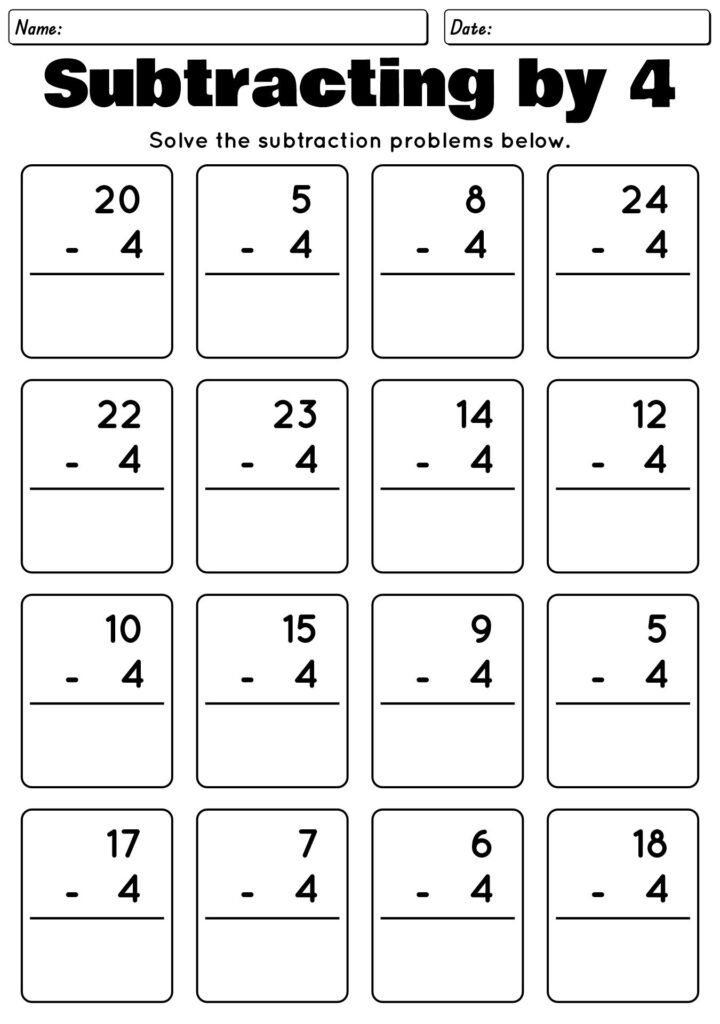
Matching the worksheet to a child’s skill level makes practice more useful. If a child already counts confidently, a worksheet with simple counting pictures may feel too easy, so addition facts or comparing numbers may be a better fit. If subtraction is still new, start with visual problems or crossing out objects before moving to equations. The best choice gives a little challenge without creating frustration, and it should connect to what the child is learning in class or at home.
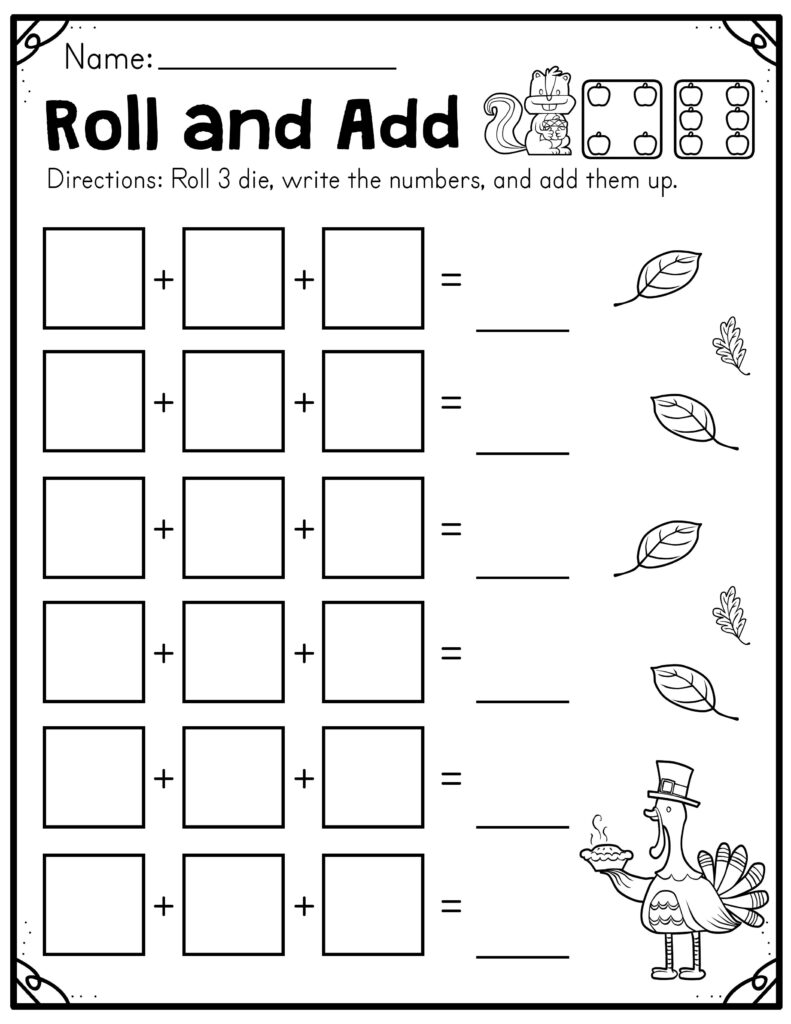
When choosing printable math worksheets for first grade, look for pages that build confidence as well as accuracy. A few well-chosen worksheets used regularly are usually better than a large stack of random practice. Start with one skill, check whether the child can complete it with little help, and then move to the next step when the work feels comfortable. That approach keeps first-grade math practice focused, manageable, and genuinely helpful.