
Reading details worksheets for fifth grade help students practice finding the important facts in a passage and using them to answer questions accurately. At this level, the goal is not just reading for fluency, but noticing who did something, what happened, when and where it happened, and why or how it happened. Well-designed worksheets turn that skill into focused practice that supports stronger comprehension.
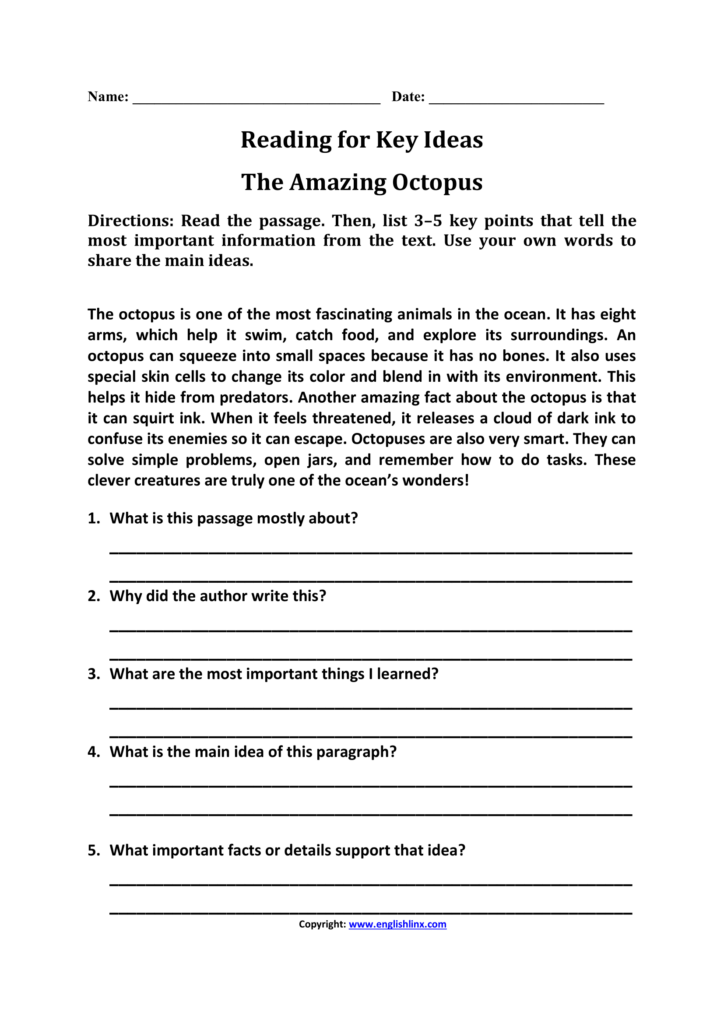
The best worksheets use grade-level passages that are long enough to challenge fifth graders without overwhelming them. After reading, students should answer direct detail-finding questions that point them back to the text instead of relying on memory alone. Strong sets also include evidence-based response prompts, such as asking students to underline a sentence or copy the line that supports their answer. That structure helps them practice close reading and builds habits they can use in other subjects.
What Good Passages Include
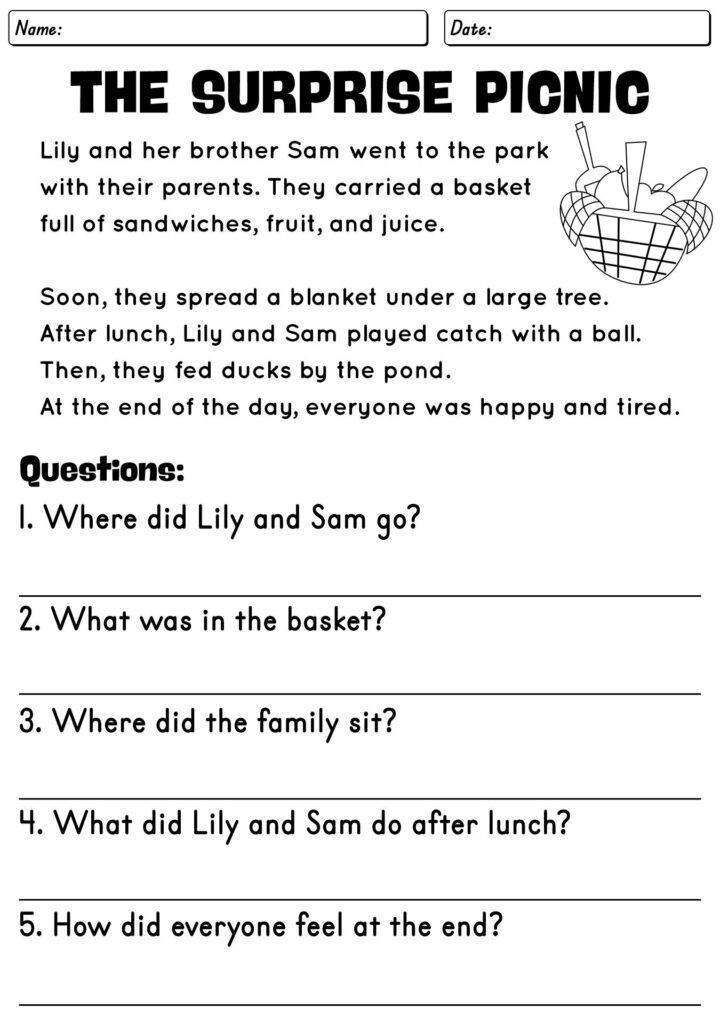
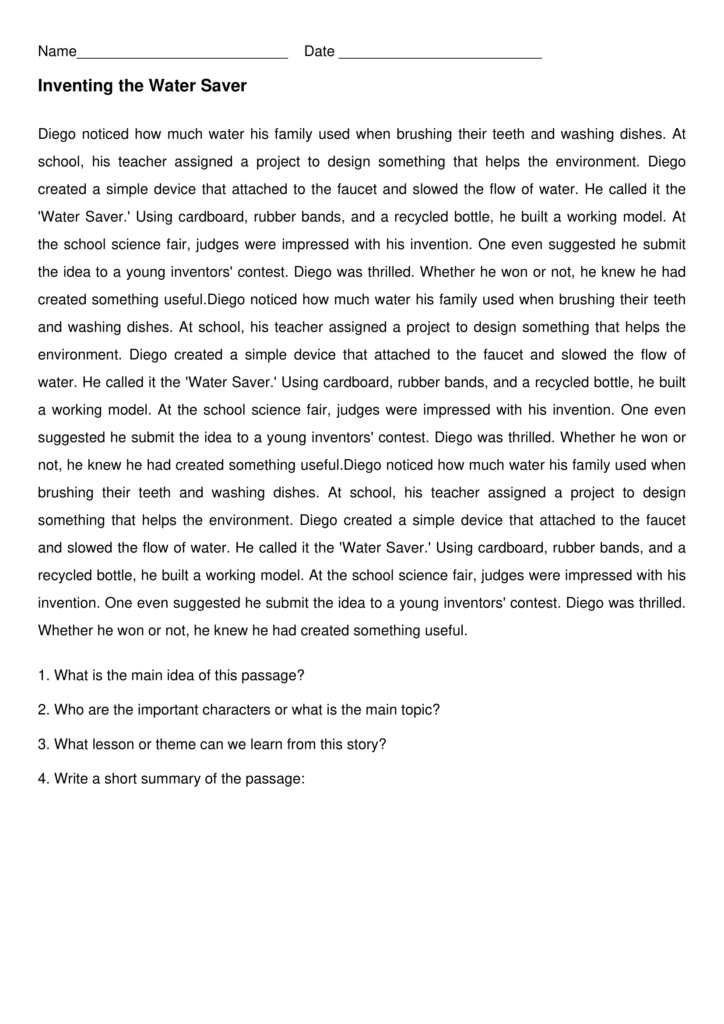
Clear answer keys matter just as much as the questions. For teachers, they make it easier to check understanding quickly and spot patterns, such as whether a student misses details in nonfiction or struggles with cause-and-effect wording. For parents, answer keys support at-home practice because they show whether a child found the exact detail or guessed. A good key should match the worksheet closely and make it easy to review mistakes without confusion.
Using Worksheets Well
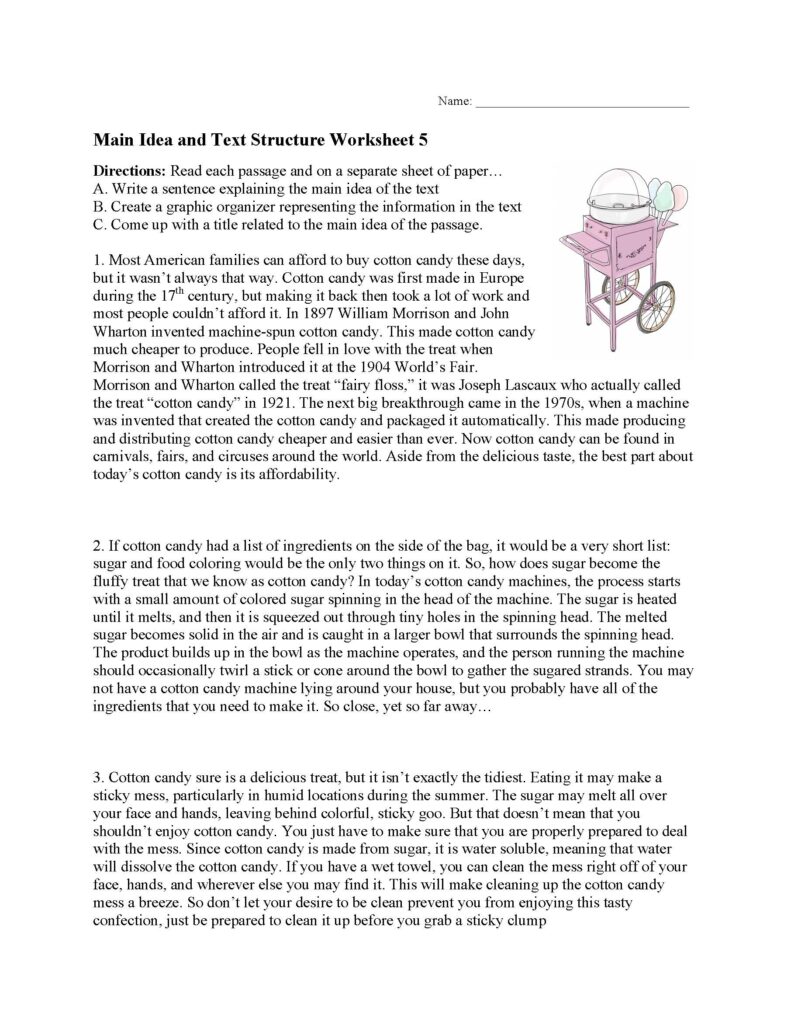
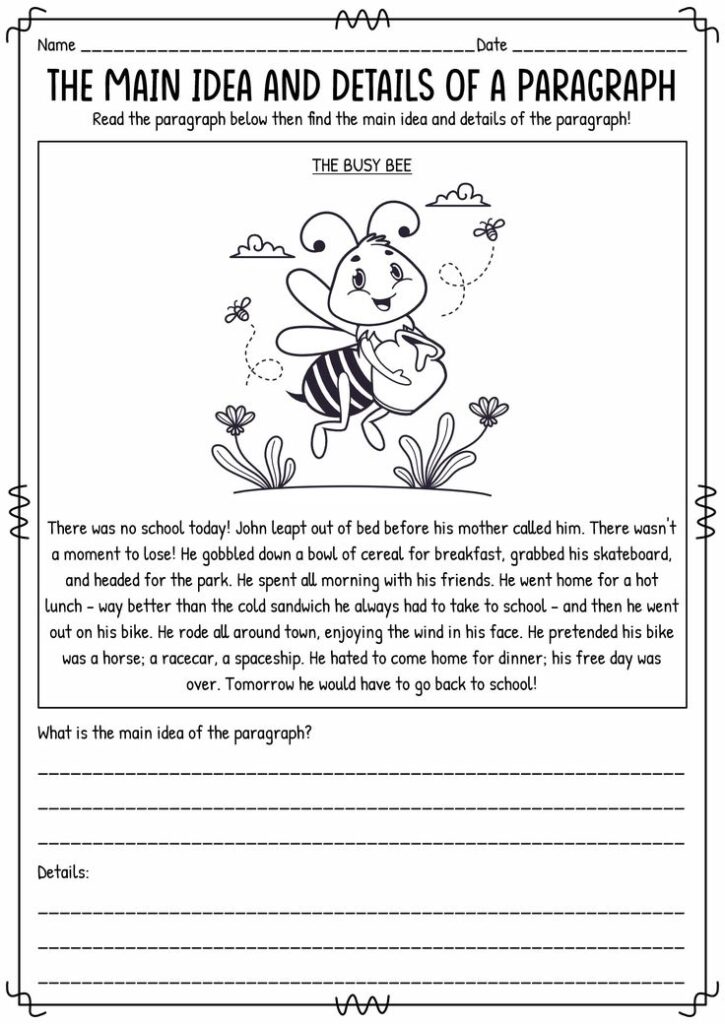
Reading details worksheets work best when they are used in a simple, consistent routine. In class, a teacher can read the passage once, ask students to highlight key words, and then have them answer the questions independently or with a partner. At home, a parent can use the worksheet for short practice after reading together. The focus should stay on locating answers in the text, not speed. A few well-chosen worksheets can reveal whether the student understands the passage and can explain evidence clearly.
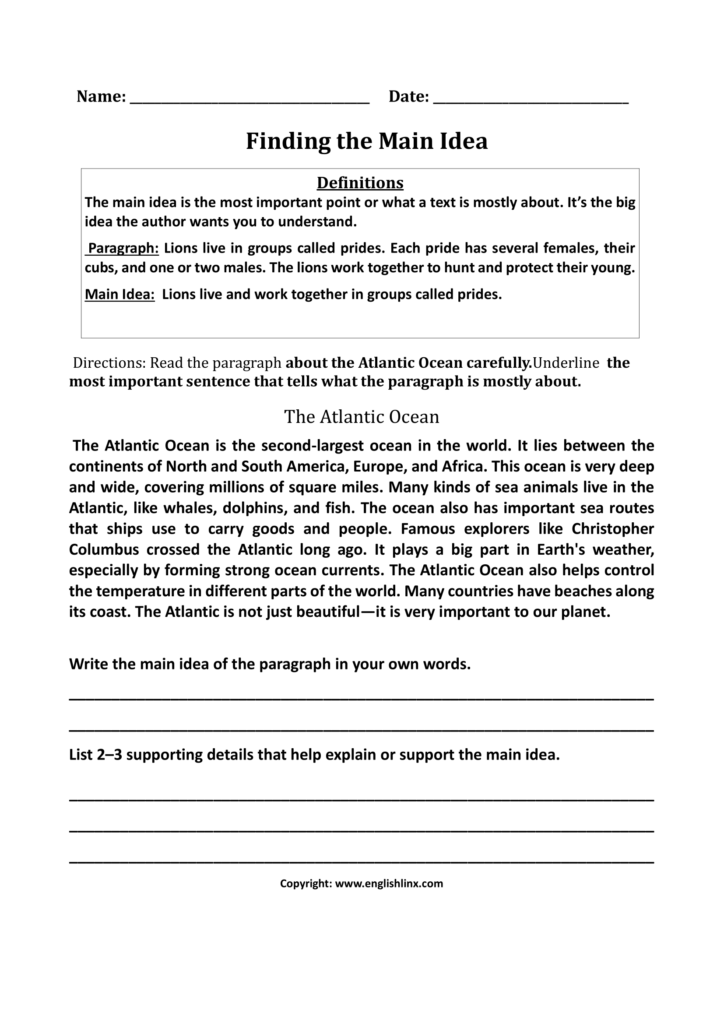
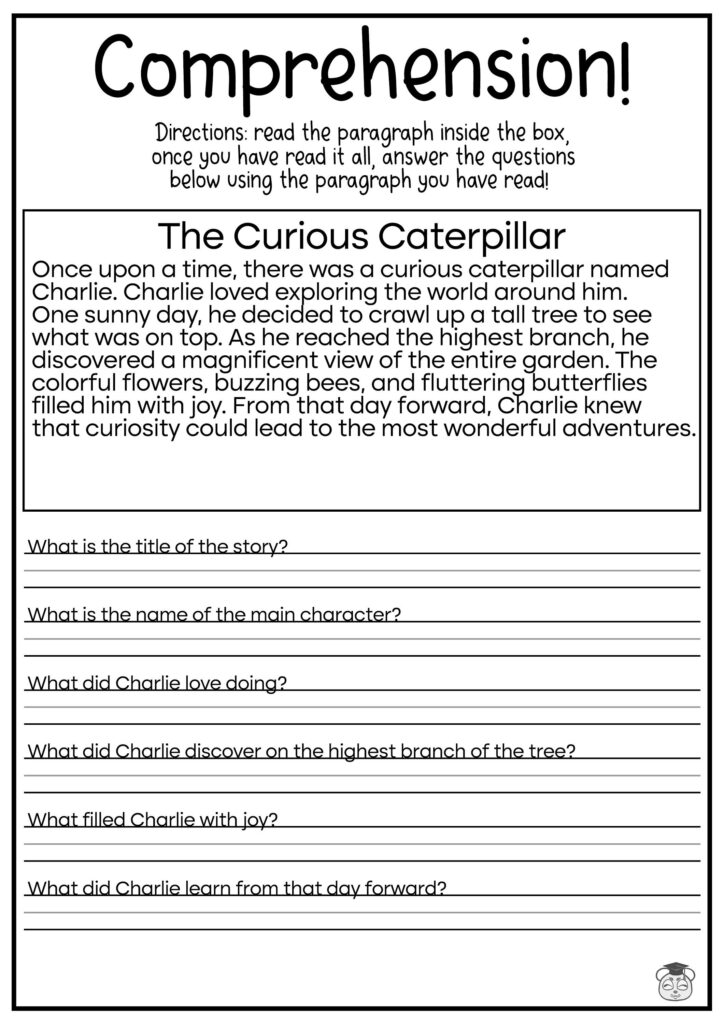
For fifth graders, the most useful worksheets are the ones that make detail-finding specific, manageable, and text-based. Look for passages written at an appropriate reading level, questions that cover who, what, when, where, why, and how, and an answer key that supports quick review. When used regularly, these worksheets give students steady practice in paying attention to details, which strengthens comprehension across reading assignments and classroom work.



