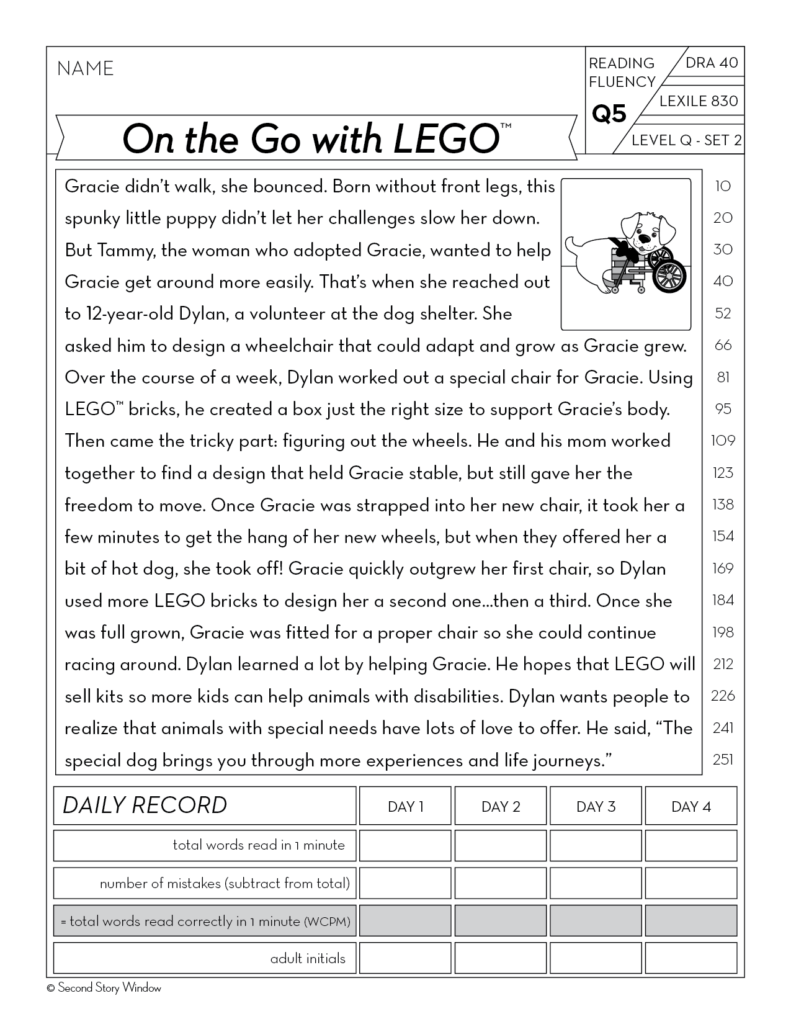
Reading fluency worksheets for teachers work best when they match a clear fluency goal, not just a grade level. The most useful options help students read more accurately, more smoothly, and with better expression. A strong worksheet should make practice easy to set up, simple to track, and focused on one skill at a time, whether the lesson is for whole-class instruction, small group support, or intervention.
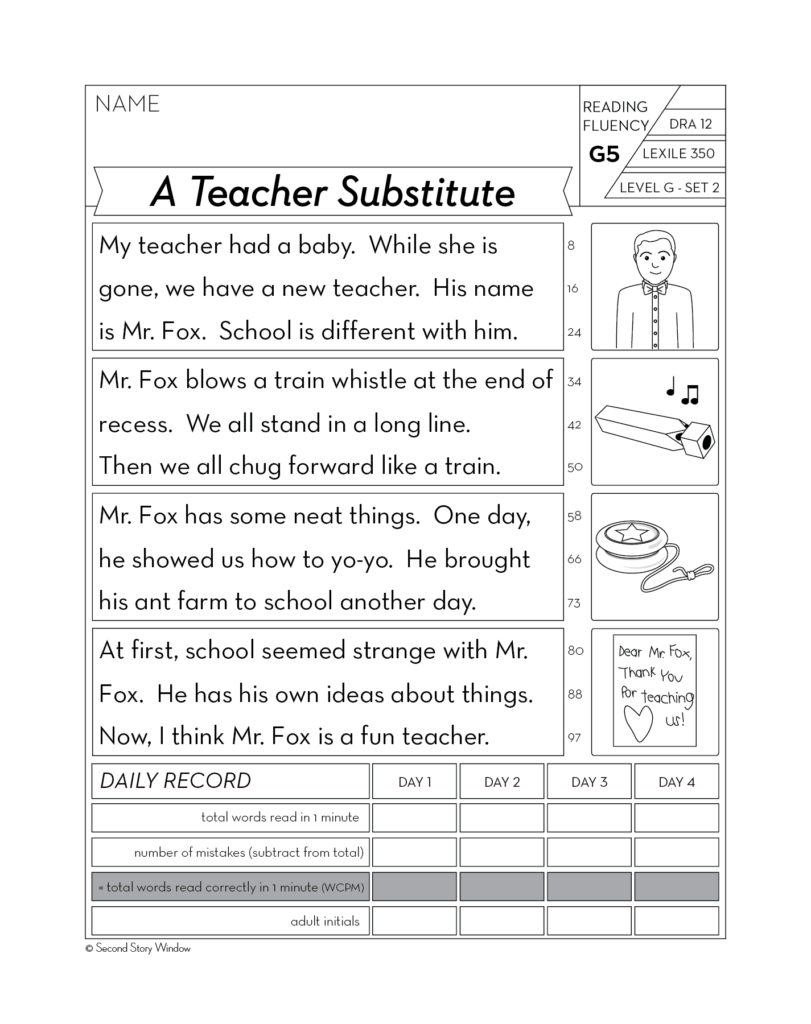
Worksheet Types That Matter
Repeated reading worksheets are useful when students need more automatic word recognition and smoother phrasing. These pages usually provide a short passage with space for multiple reads, which helps students build speed and accuracy without changing the text. Timed reading worksheets are better when the goal is measuring rate or noticing progress over time. They often include a passage, a timer box, and a place to record words correct per minute.
Phrasing worksheets help students group words in meaningful chunks, so they sound less choppy. Expression worksheets focus on punctuation, voice, and sentence meaning, which supports oral reading that sounds natural. Each type serves a different purpose, so teachers can match practice to the skill gap they see.
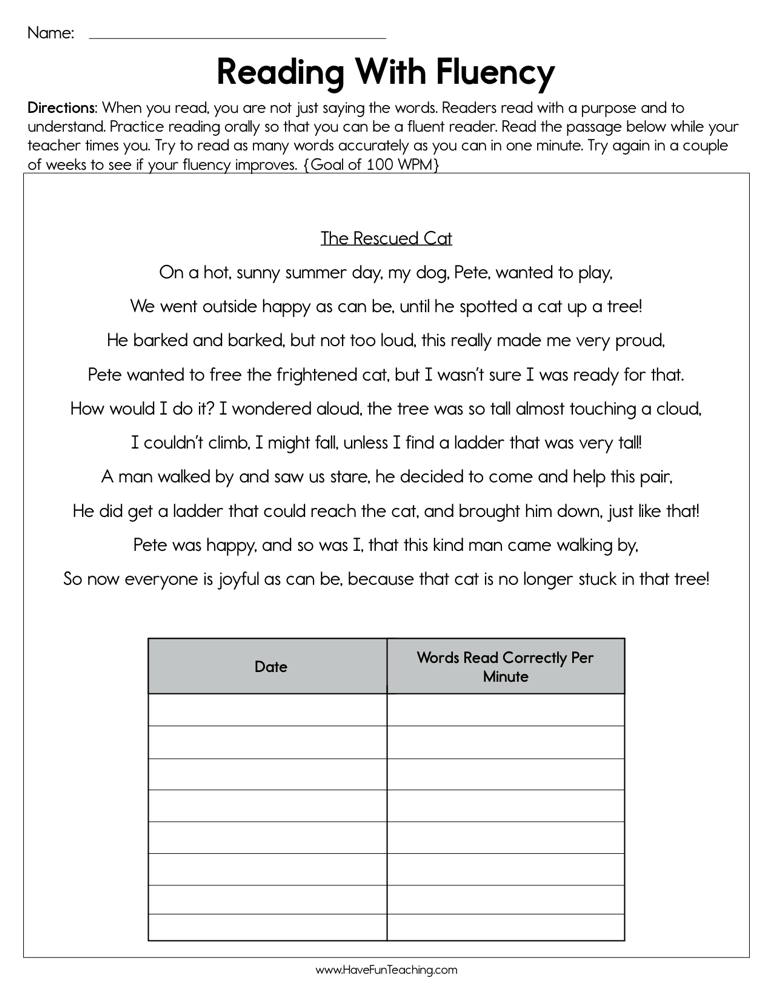
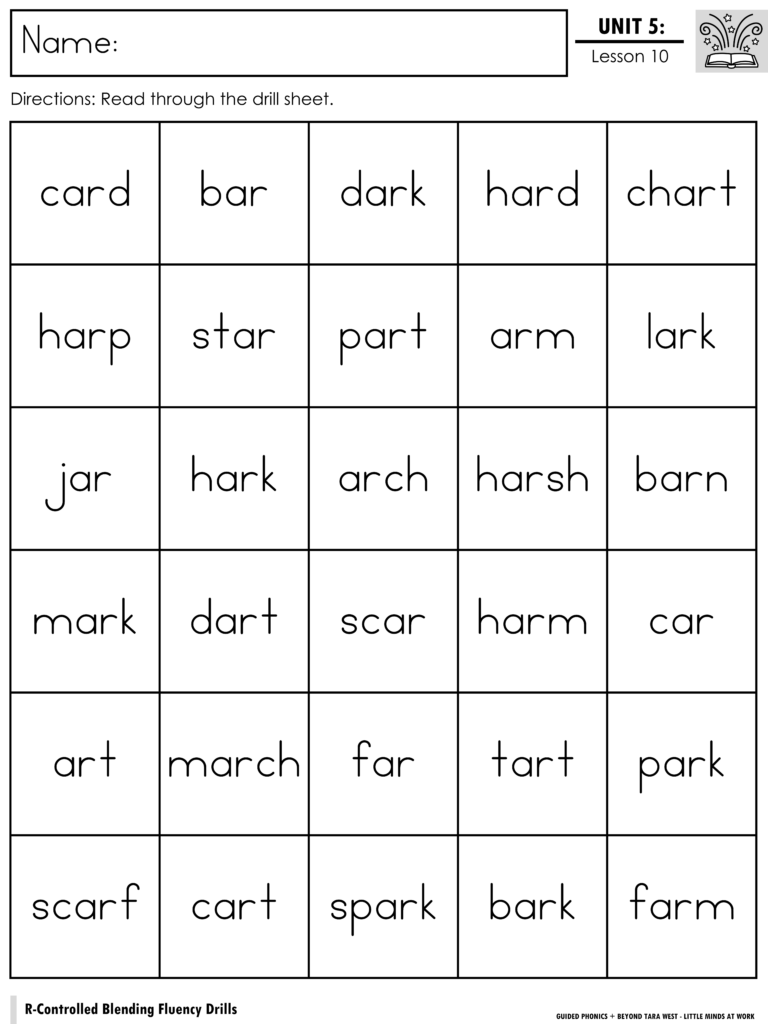
When choosing a worksheet, start with the student’s reading level and the amount of support they need. Early readers usually benefit from short passages, large print, and minimal distractions on the page. Older students may need more content-rich passages that still remain accessible. For intervention, look for worksheets that allow repeated use across several days and include a quick recording area for accuracy, rate, or observations.
In a busy classroom, the best worksheet is usually the one that can be used independently after a brief model. Teachers should also consider whether the page supports partner reading, cold reads, or fluency checks. The right format makes the activity efficient enough to use regularly.
How to Use Them Well
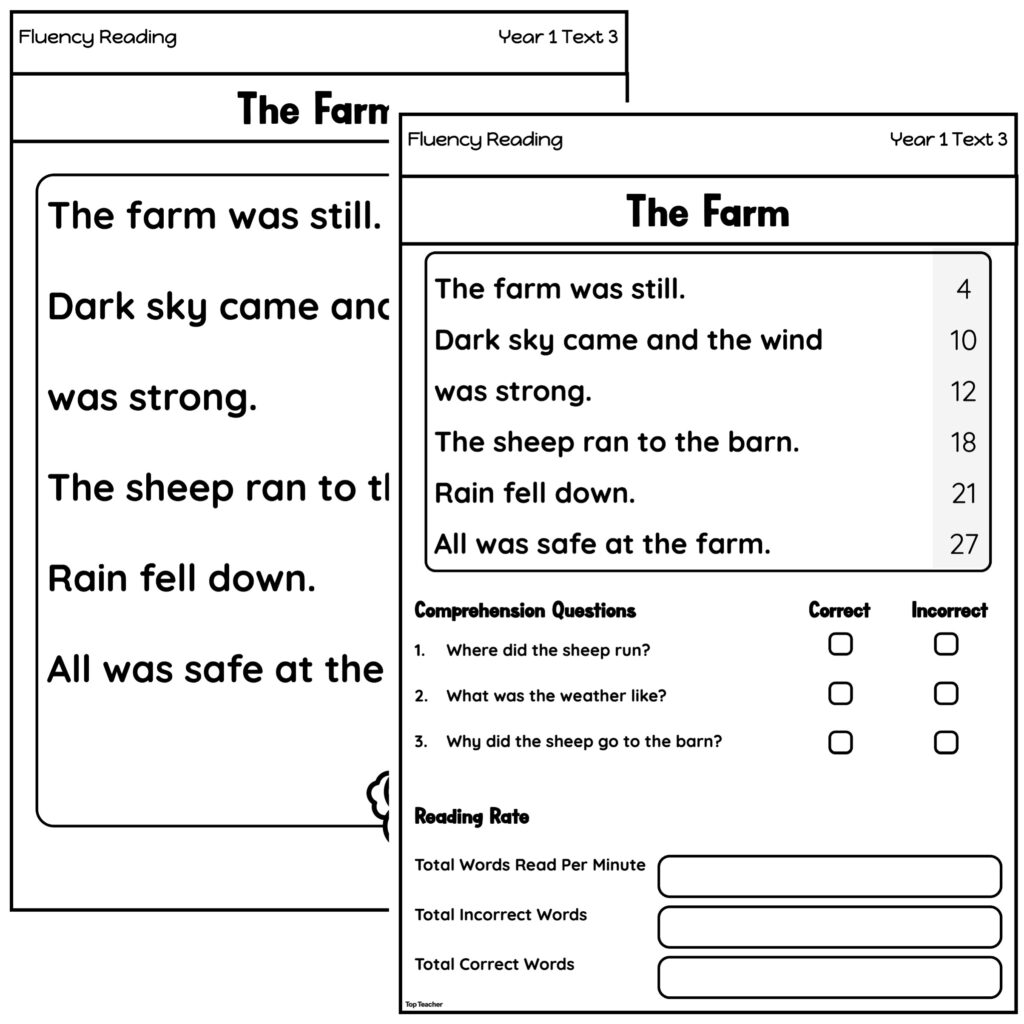
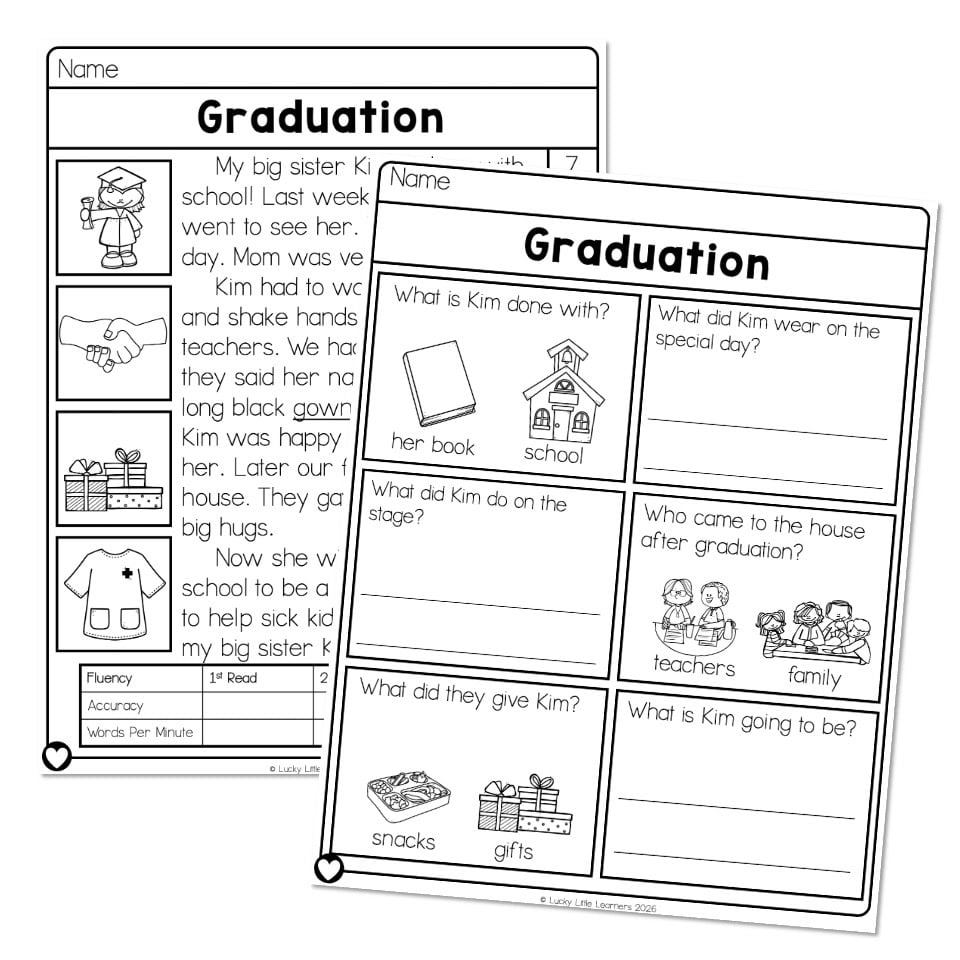
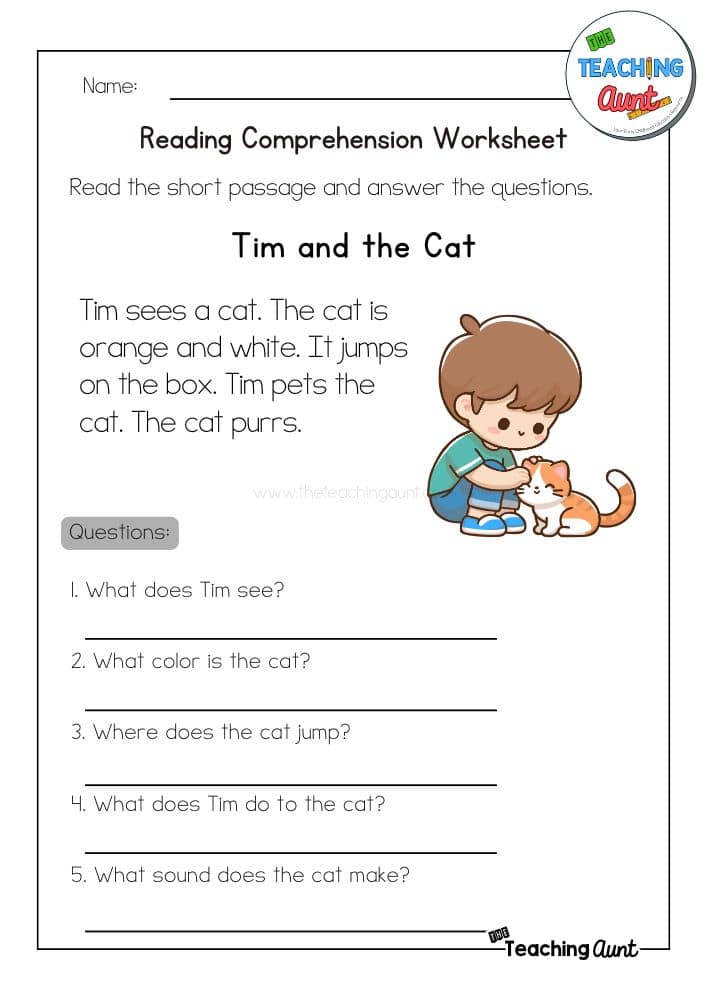
For instruction, pair the worksheet with a short model and a clear purpose. Have students read once for accuracy, then again for smoother phrasing or expression, depending on the worksheet type. Keep feedback specific, such as pointing out where a reader should pause, blend words into a phrase, or change voice at punctuation. For intervention, use the same worksheet over several sessions so students can notice improvement.
Keep the routine brief: preview, read, reflect, and try again. That simple cycle helps teachers turn reading fluency worksheets into targeted practice instead of busywork, and it makes it easier to choose the right worksheet for the next lesson.