
A science worksheet for kg should match how kindergarten children learn best: through pictures, simple actions, and very short instructions. At this age, the goal is not reading-heavy work, but early science thinking such as noticing, naming, and comparing. The best worksheets feel playful while building basic skills like observation, sorting, and vocabulary.
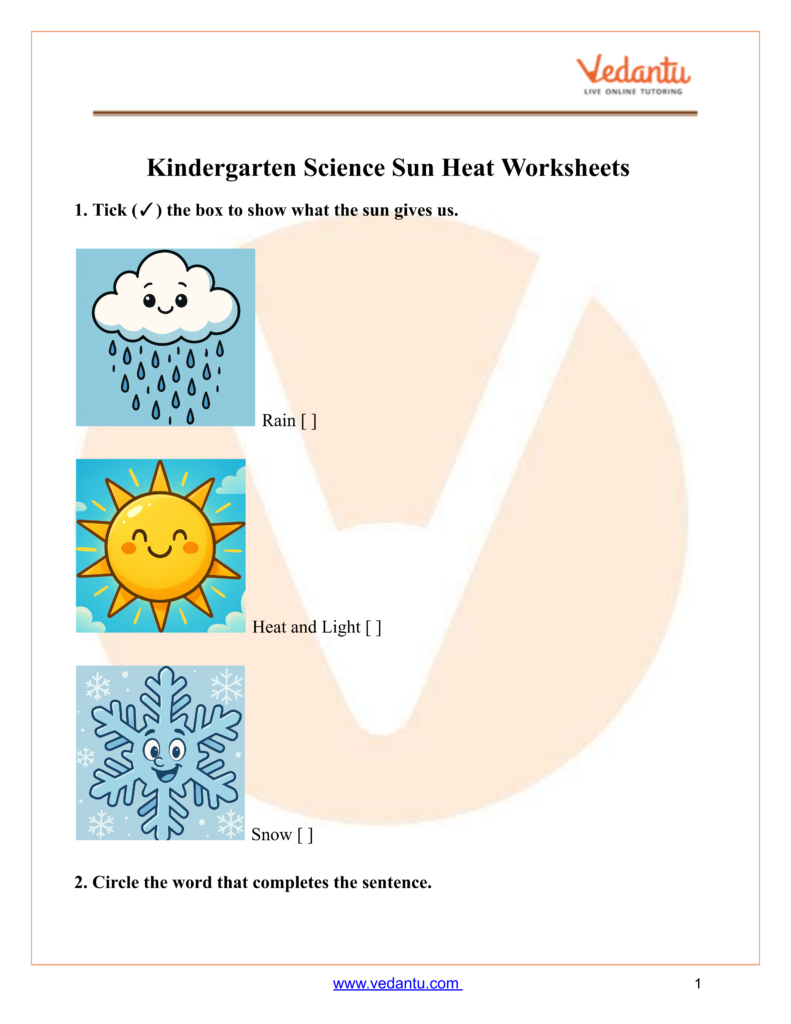
For KG learners, the right skill level is usually ages 4 to 6. A worksheet should support pre-reading or early-reading children, so tasks need to stay concrete and visual. Good formats include matching a picture to a word, circling the correct object, coloring by simple category, or sorting items into groups. Short observation prompts also work well, such as “Which one needs water?” or “Which picture shows a sunny day?” These activities help children connect science ideas to familiar things.
Best Activity Types
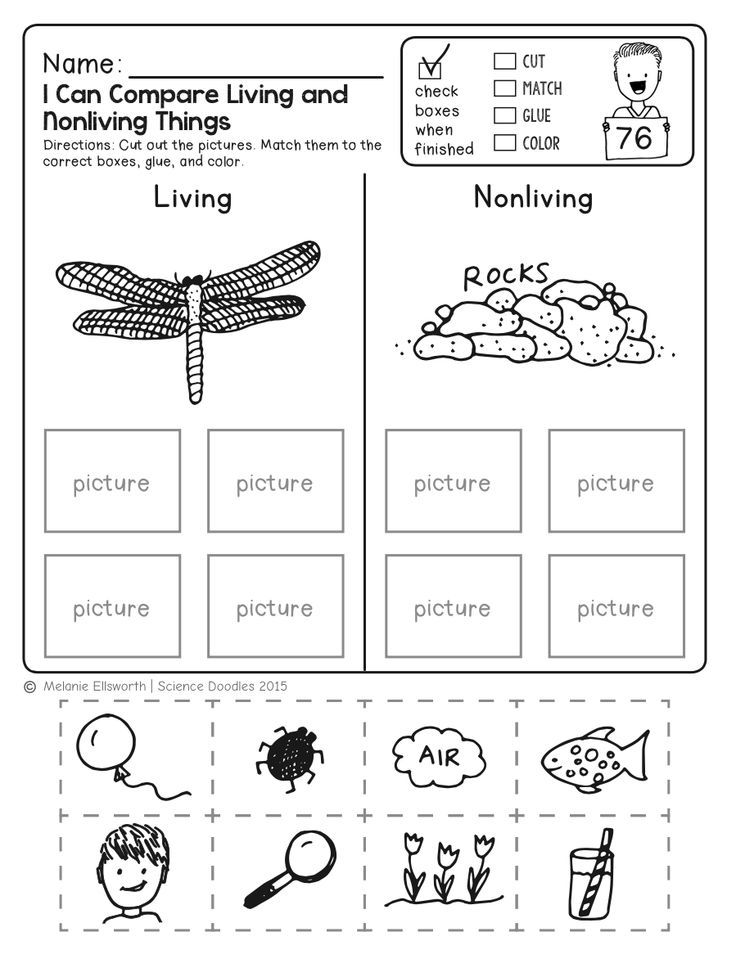
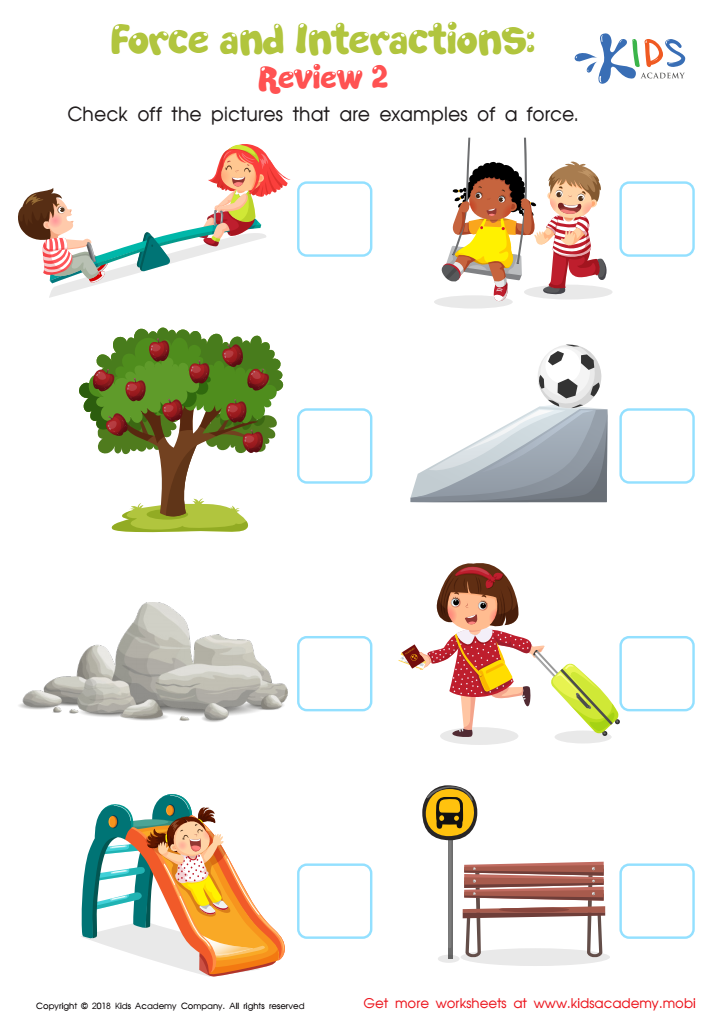
The most suitable science themes for kindergarten are the ones children can see in daily life. Animals, plants, weather, senses, and common objects or materials are ideal. A worksheet can ask children to identify farm animals, match a plant to its parts, choose clothes for rainy weather, or sort objects by hard and soft. Keeping the theme familiar helps children build science vocabulary without needing advanced concepts. The focus should stay on recognition, simple comparison, and basic understanding of the world around them.
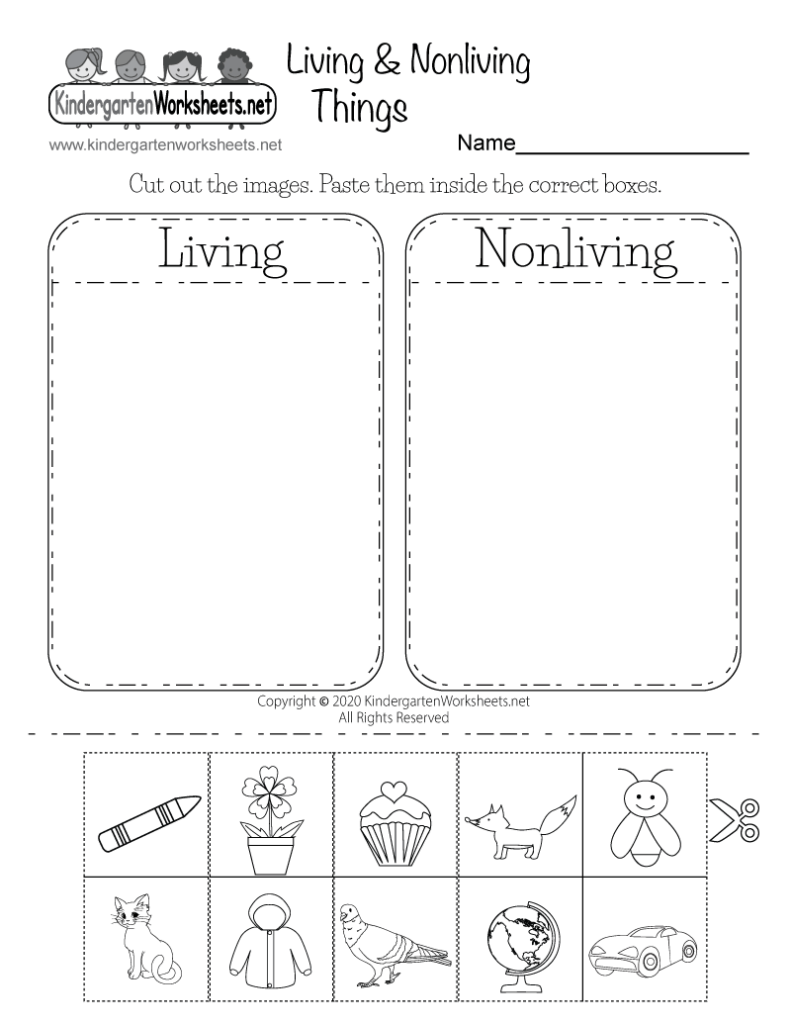
Simple Worksheet Design
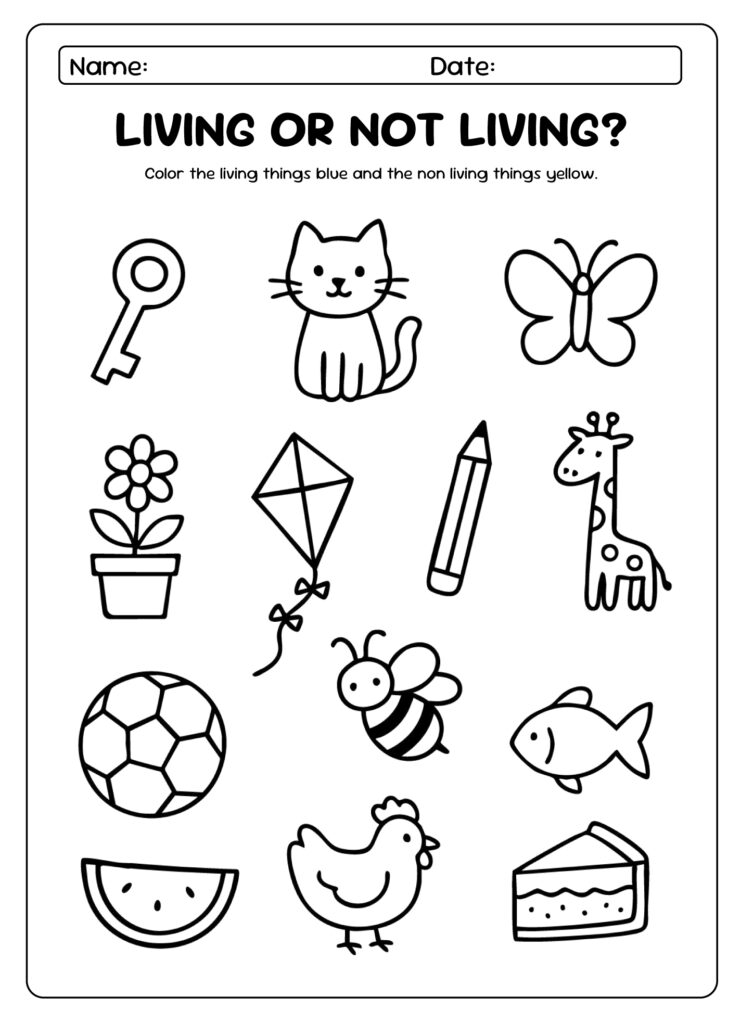
Design matters as much as the science content. A strong kindergarten worksheet uses large pictures, clear spaces to respond, and minimal text. Instructions should be short and direct, such as “Color,” “Circle,” or “Match.” Too many items on one page can overwhelm young learners, so a few questions are better than a crowded layout. Big outlines, friendly visuals, and uncluttered pages make the worksheet easier for children to follow and complete with confidence.
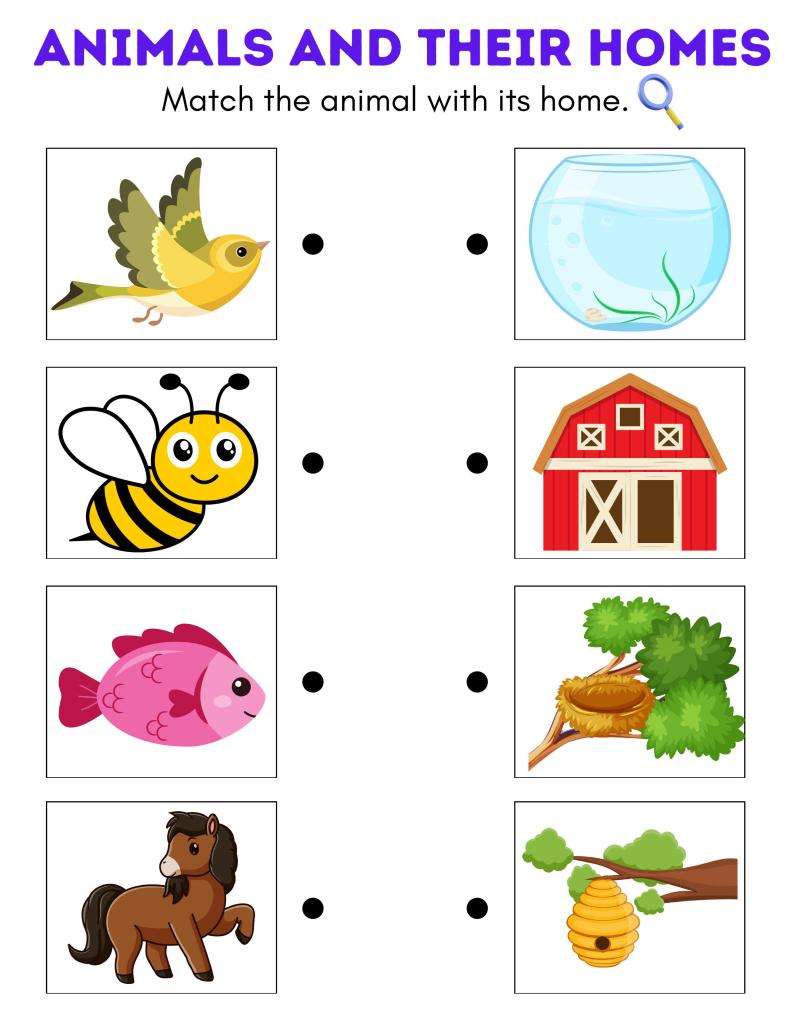
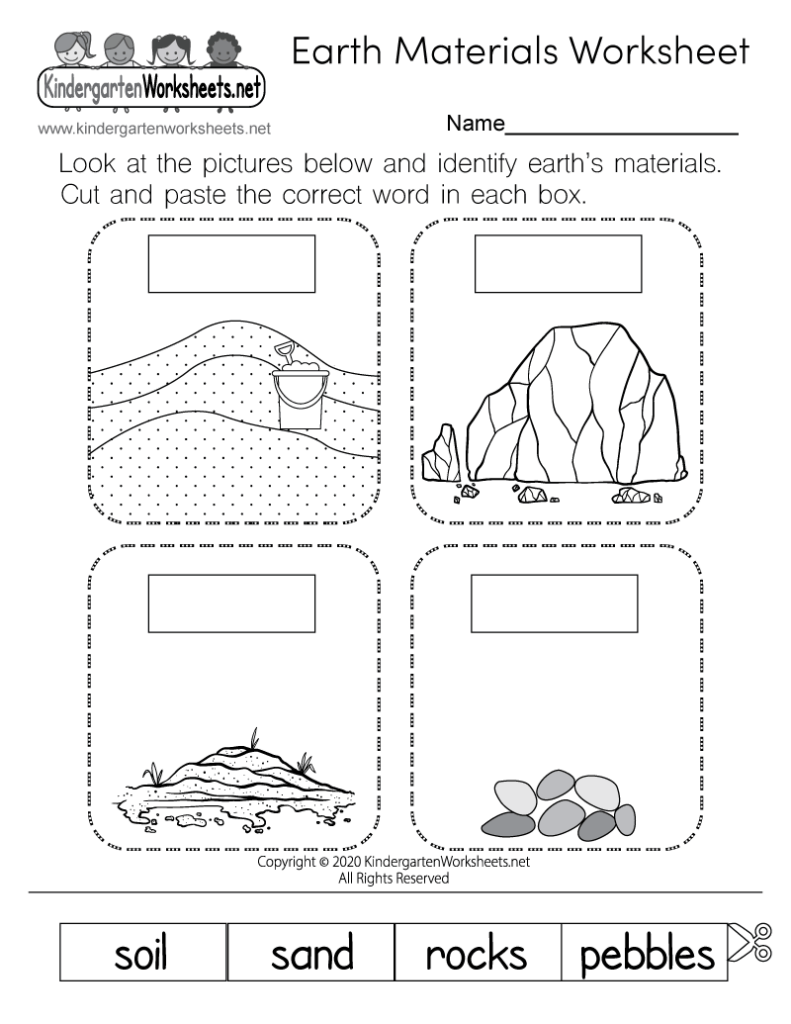
When choosing a science worksheet for kg, look for one that is simple, visual, and age-appropriate from start to finish. It should introduce only a small number of ideas at a time and let children answer by observing pictures rather than reading long directions. The best worksheet supports early science habits while staying fun and easy to use, making it a practical first step into science learning.



