
Seasonal vocabulary worksheets educational materials help learners connect words to the changing year. These worksheets focus on season-related terms, images, and themes so children can build vocabulary in a simple, structured way. They are useful for classroom centers, homework, or family learning because they combine reading, sorting, and speaking practice in one resource.
What they teach
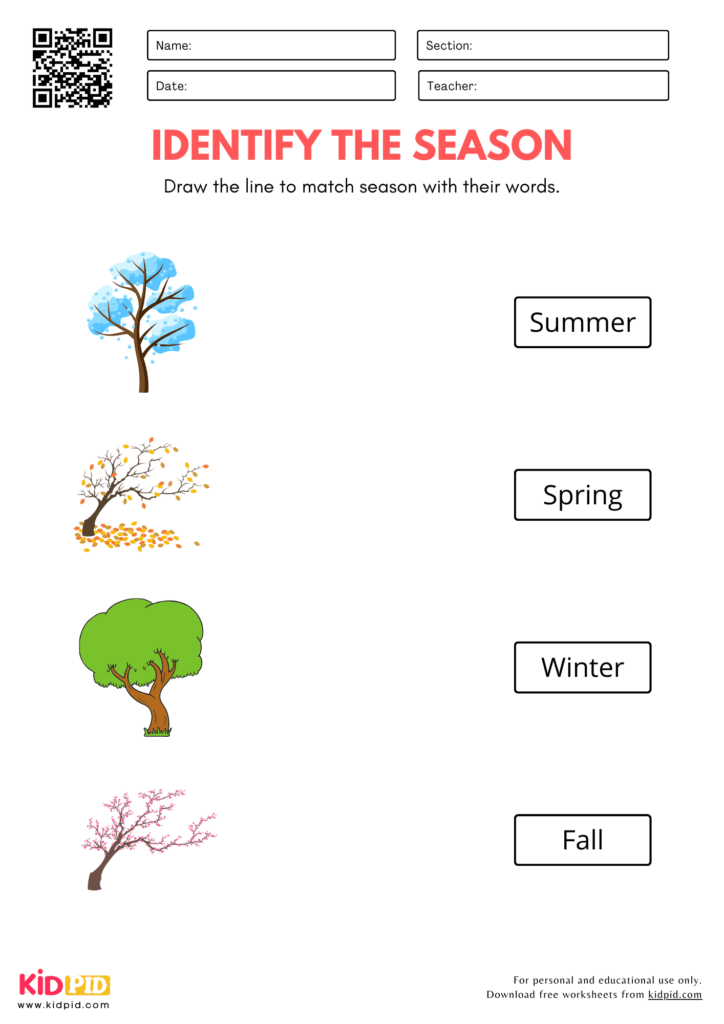
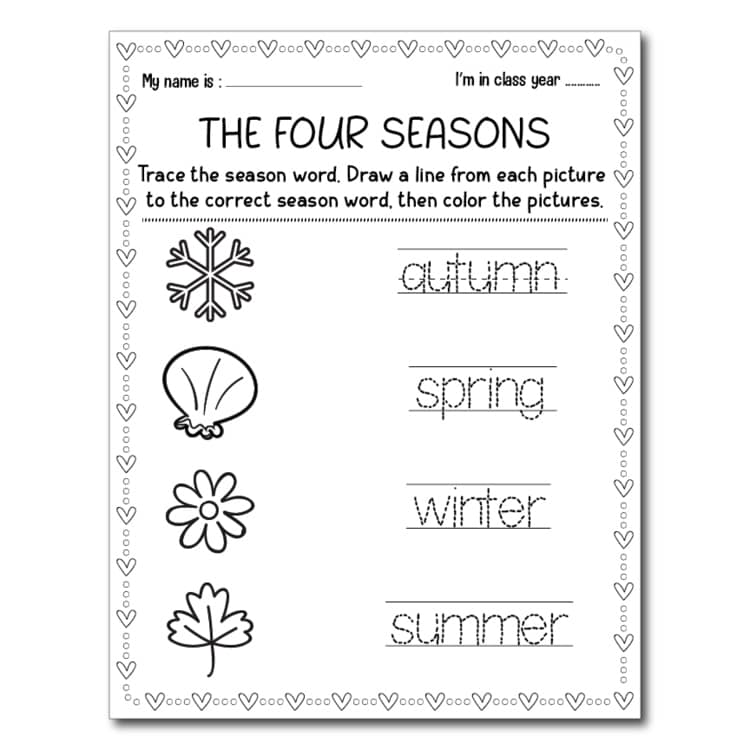
The main educational value of seasonal vocabulary worksheets is word learning with context. Students meet terms such as spring, summer, autumn, winter, rain, snow, bloom, harvest, and migration while also noticing related ideas and categories. Many worksheets ask children to match words to pictures, sort items by season, or fill in missing labels. That repetition supports recognition, meaning, and correct use, which is especially helpful for early readers and English learners.
How to choose
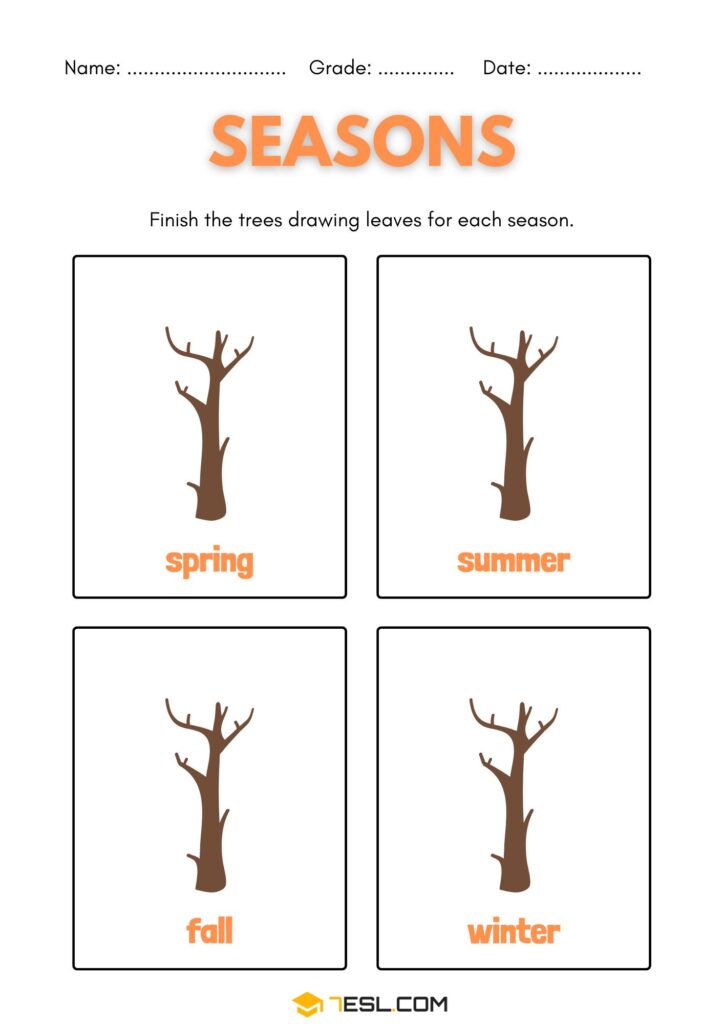
When selecting worksheets, age and grade fit matter most. Younger learners usually need large print, clear pictures, and short word lists, while older students can handle writing prompts or more detailed sorting tasks. Readability should match the learner’s level so the focus stays on vocabulary rather than decoding. It also helps to choose an activity format that fits the goal, such as tracing, matching, cut-and-paste sorting, or simple sentence practice.
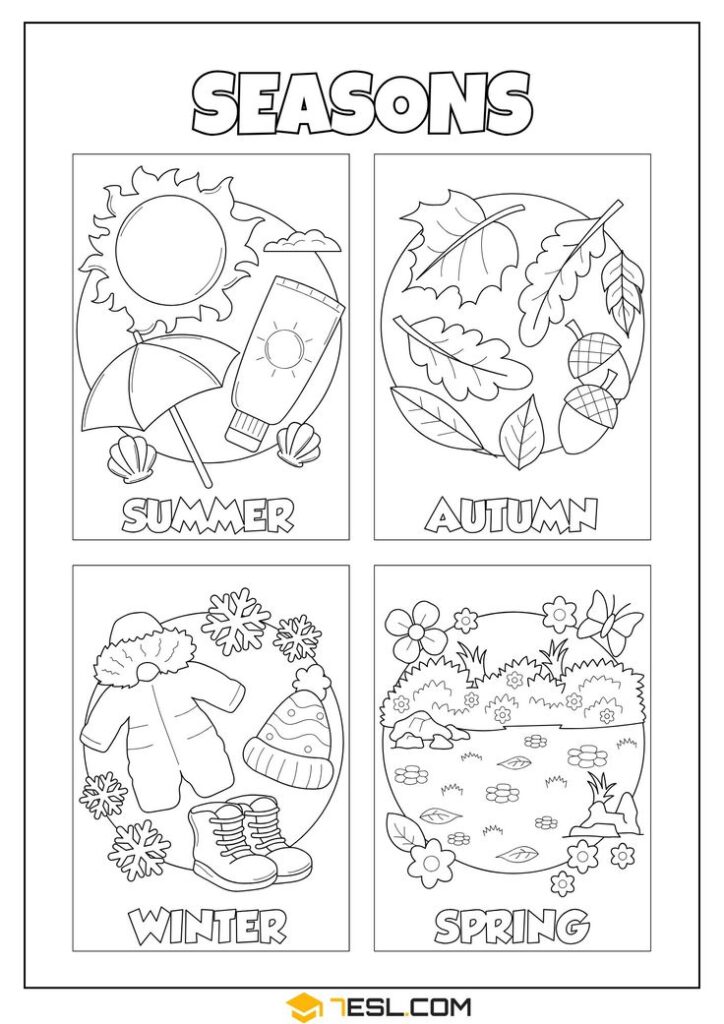
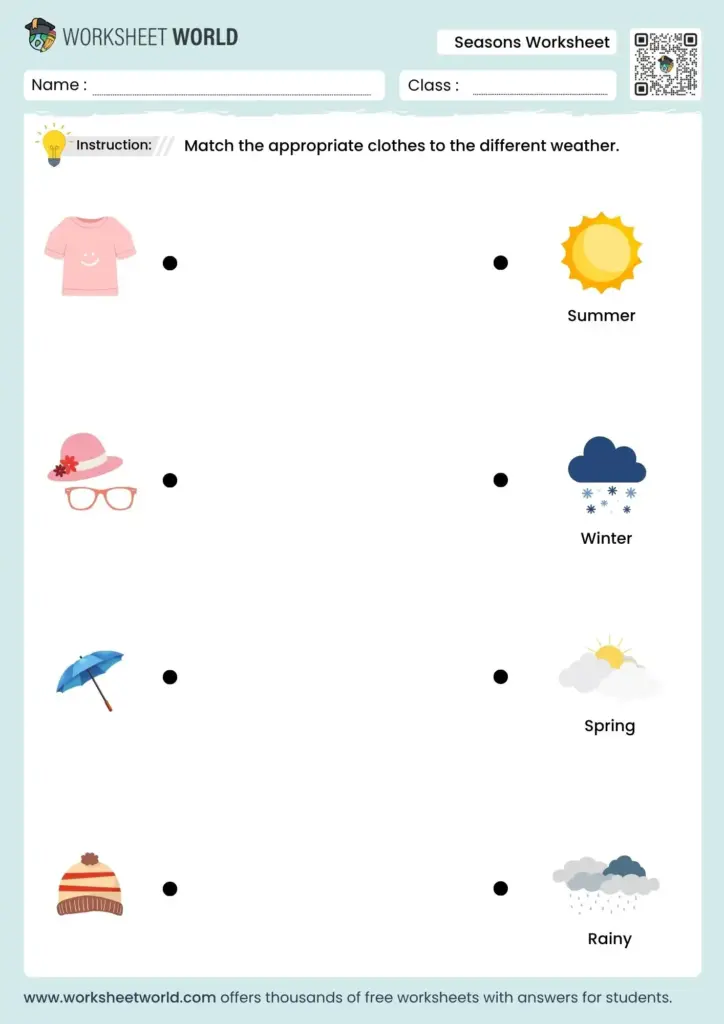
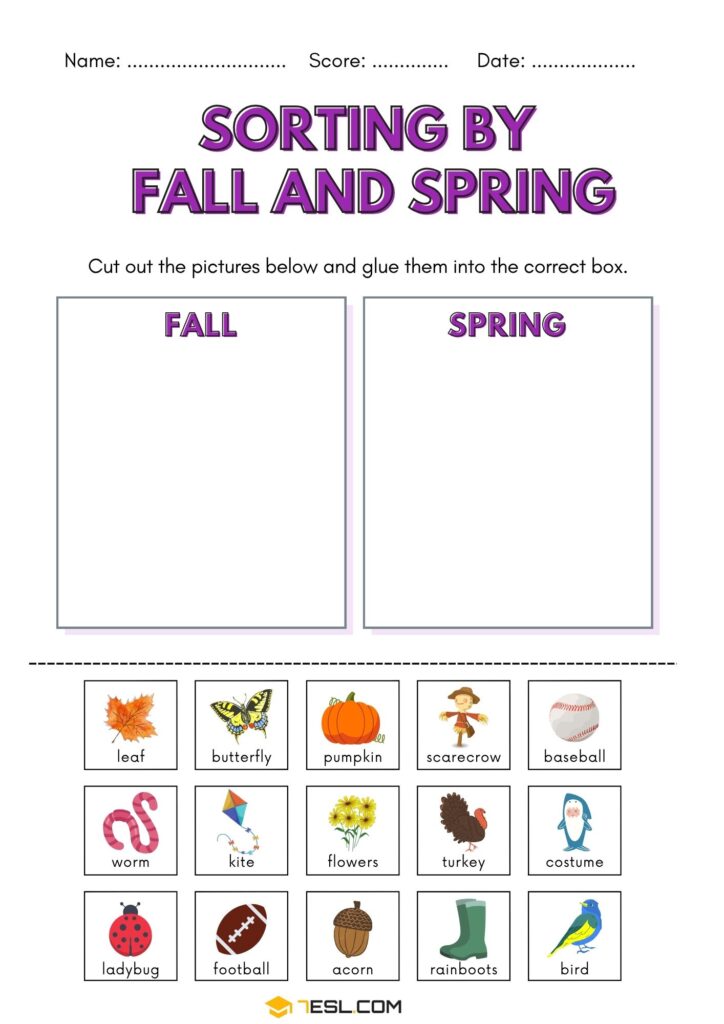
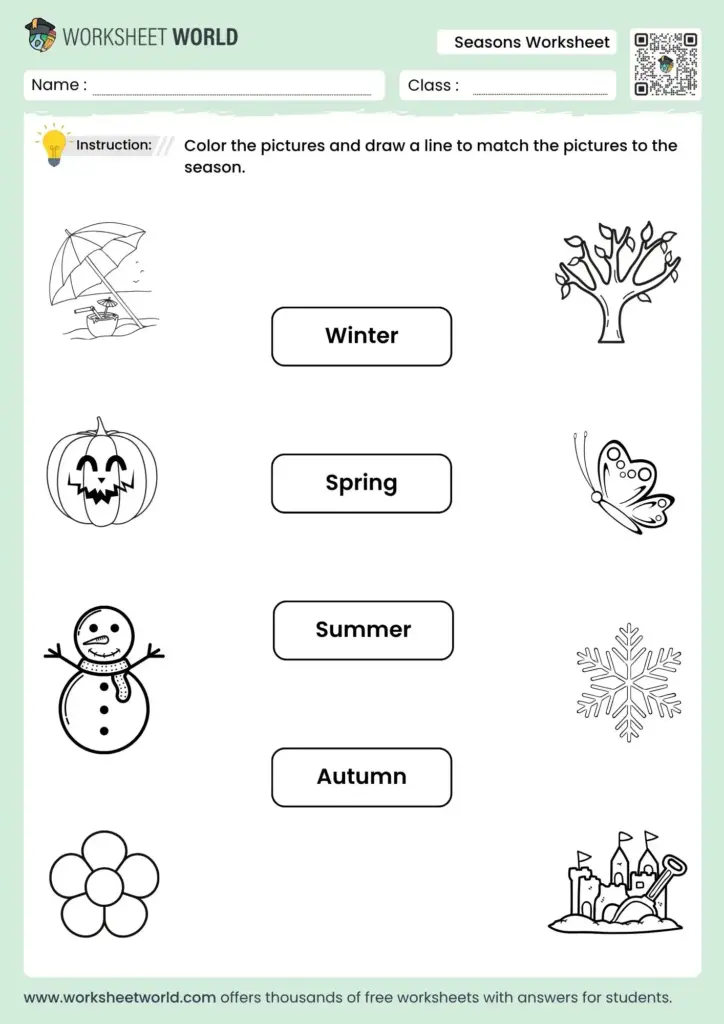
These worksheets are commonly used as warm-ups, independent practice, literacy center activities, or quick review pages tied to the current season. In home learning, they can support short daily lessons, quiet practice, or conversation about weather and holidays. A strong worksheet does more than decorate a page; it gives repeated exposure to seasonal language in a clear format. For the best results, choose materials that are age-appropriate, easy to read, and directly focused on vocabulary.



