
Sensory writing worksheets printable help students practice descriptive writing by focusing on what they see, hear, smell, taste, and touch. These printables are most useful when a teacher or parent wants a simple way to build sensory detail into short writing tasks. A good worksheet gives clear directions, a focused prompt, and room for students to write their own descriptions.
What the worksheets teach
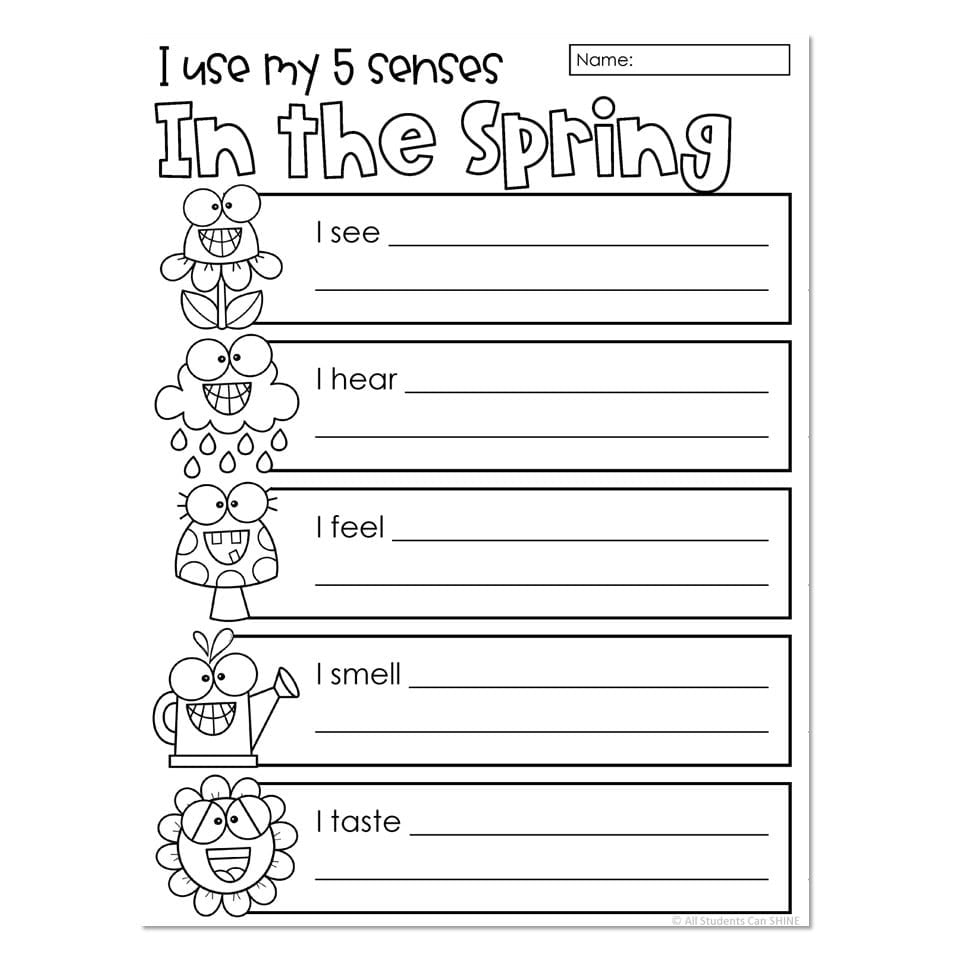
Sensory writing worksheets are printables that guide students to turn ordinary subjects into vivid descriptions. Instead of asking for a long story, they usually prompt a child to name details from the five senses. A worksheet might ask what a rainy day sounds like, how a lemon tastes, or what a playground feels like. That structure helps students practice choosing specific words and noticing details they can use in descriptive writing.
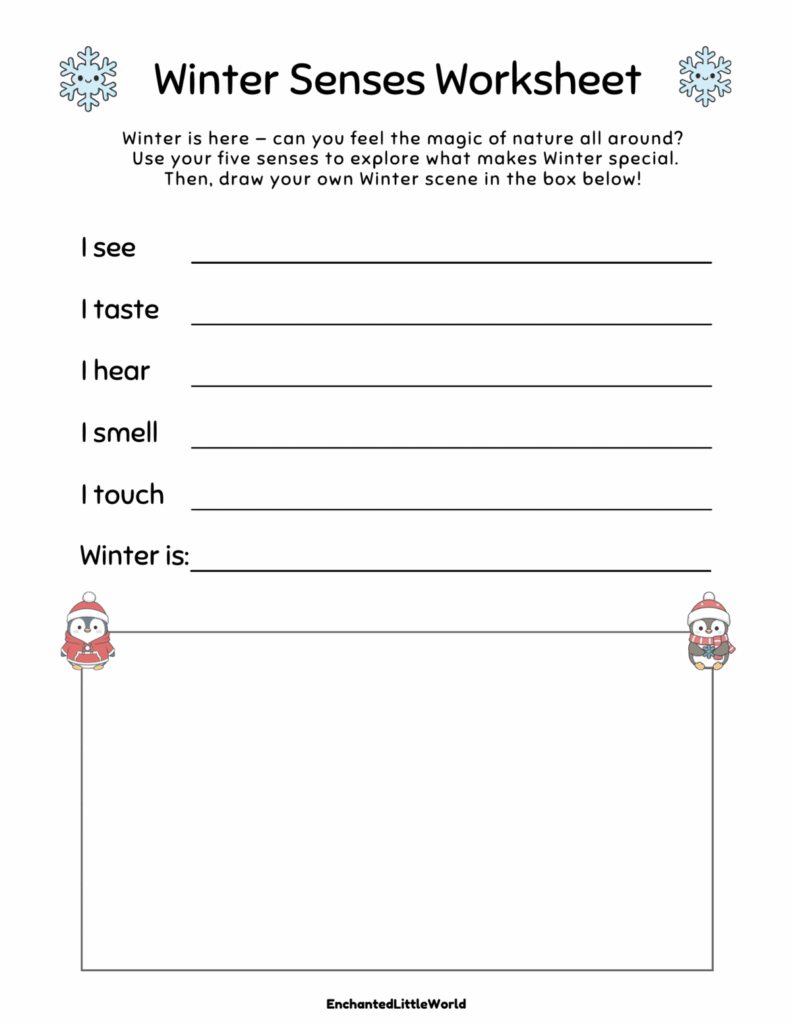
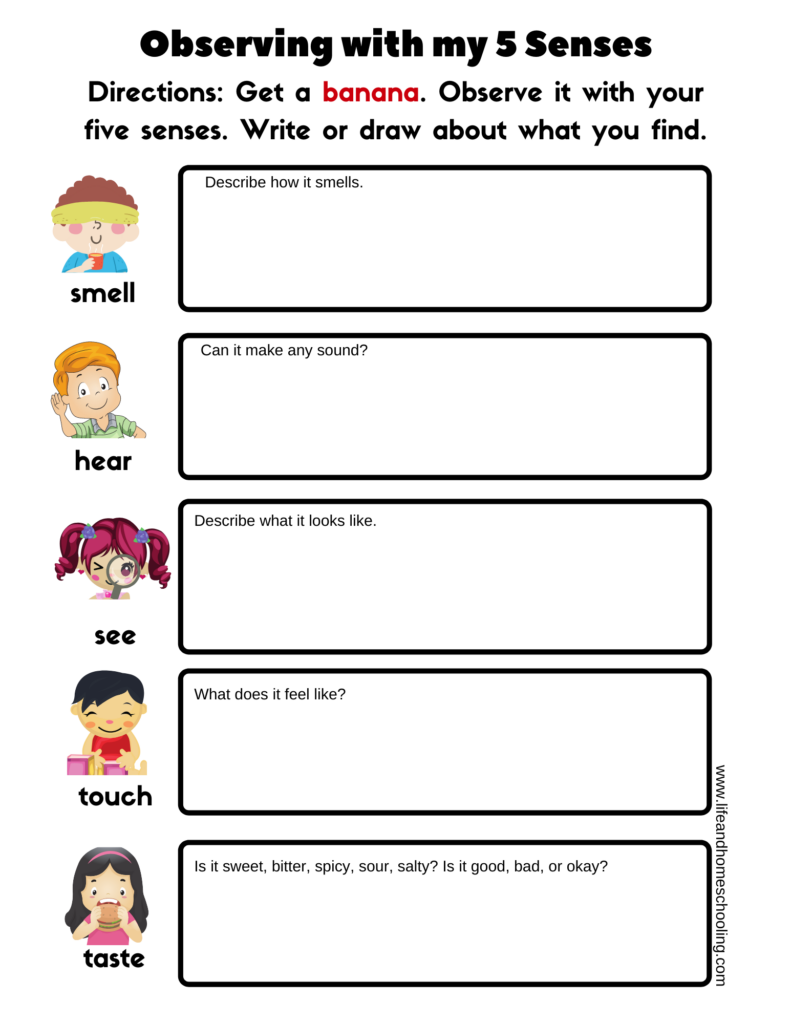
These worksheets are practical for classroom or at-home use because they keep sensory description practice short and focused. Teachers can use them during writing centers, small groups, or quick independent work, while families can use them for extra practice without needing a full lesson. The best pages stay age-appropriate, with simple language for younger students and more open-ended prompts for older writers. Plenty of blank space matters too, because it lets students explain each sense in their own words.
How to judge a fit
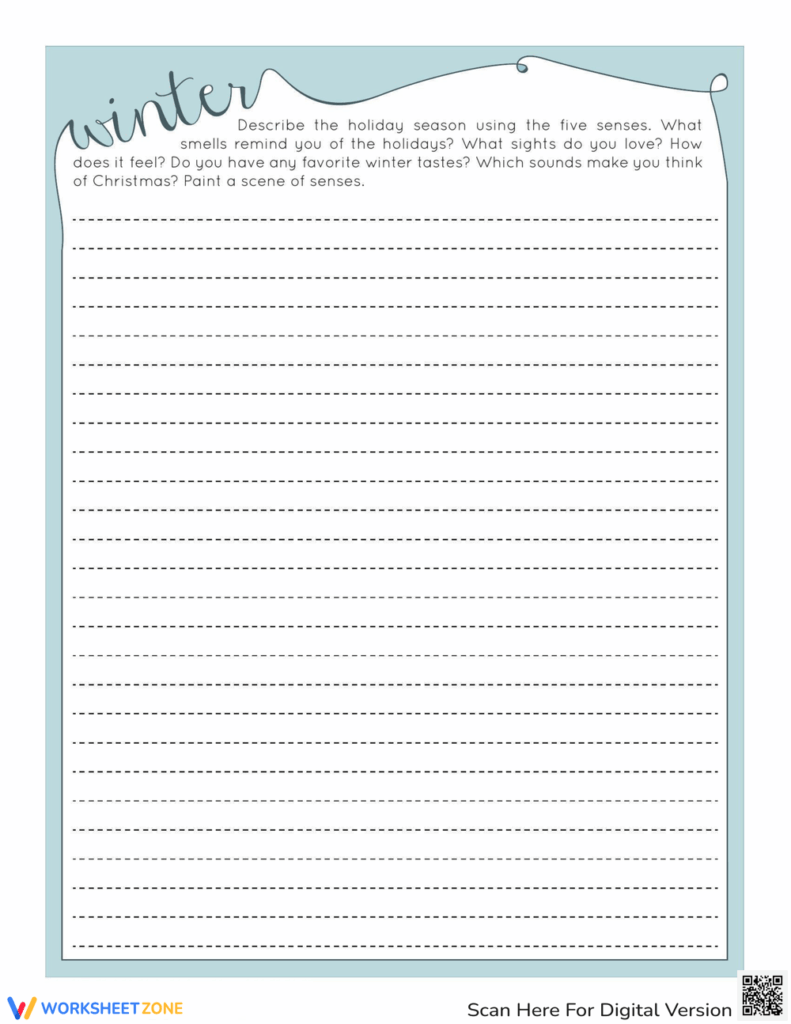
When choosing sensory writing worksheets printable, the most useful features are easy to spot. Clear prompts should tell students exactly what to describe, and the directions should match the reading level of the child. Look for layouts that separate the senses or give a small writing box for each one, since that keeps the task organized. Worksheets that use familiar topics, such as food, weather, or everyday places, often make it easier for students to generate sensory details quickly.
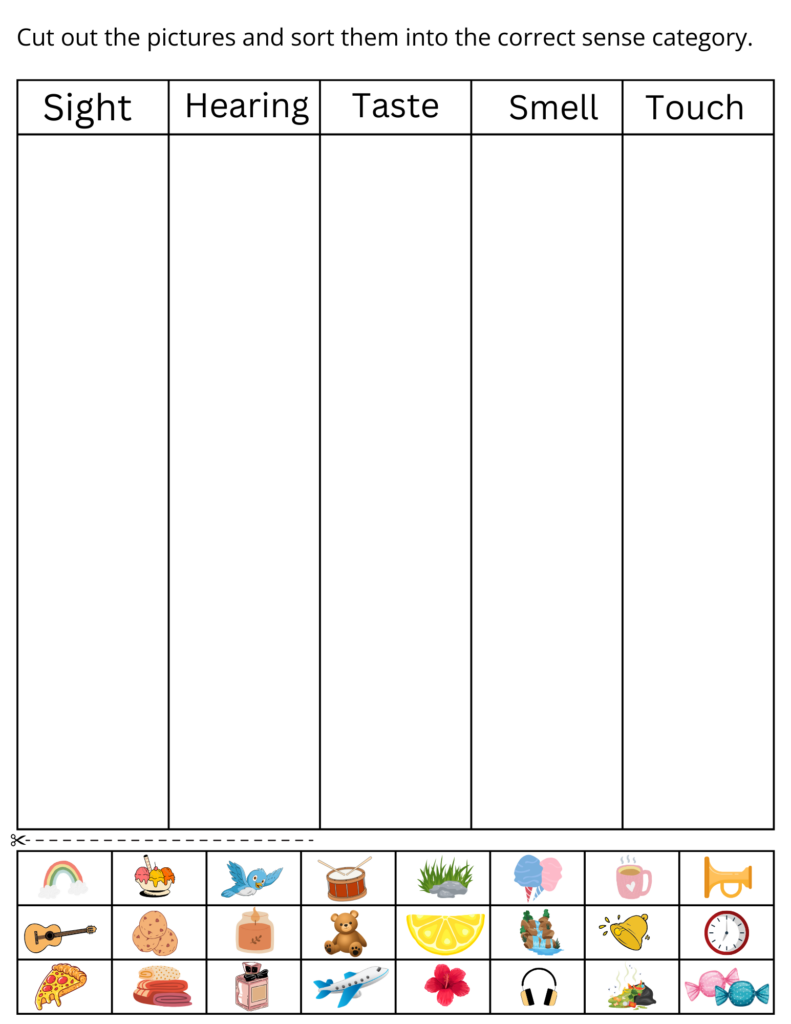
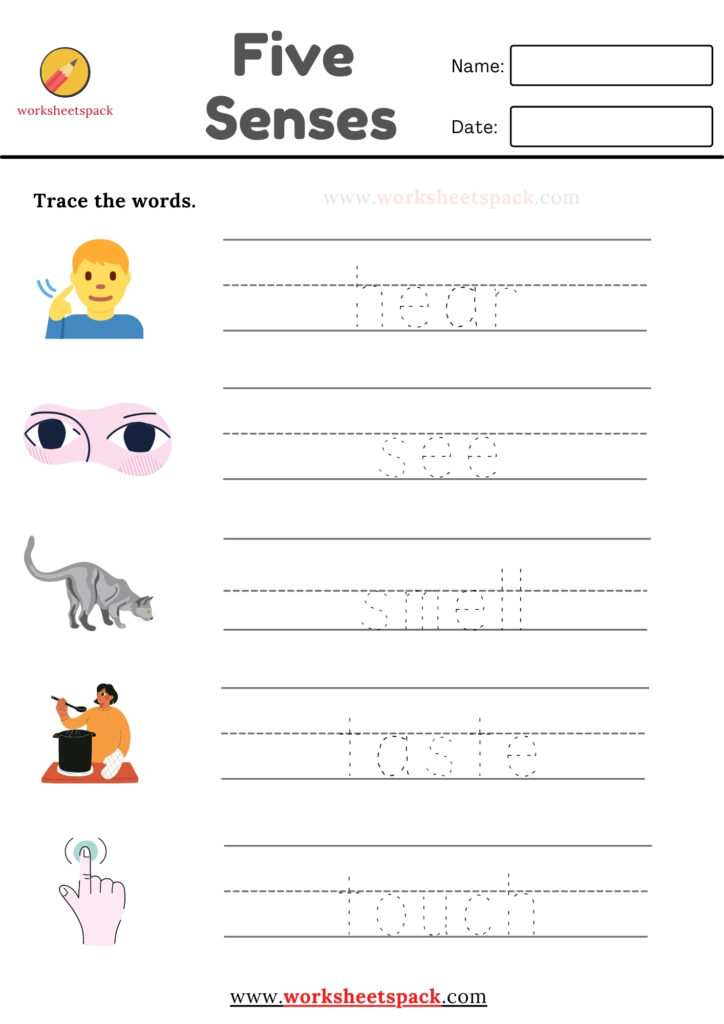
It also helps to check whether the printable fits a specific grade level or skill level before using it. A worksheet for beginning writers should offer direct sentence frames or simple word banks, while a more advanced page may ask for full descriptive paragraphs. The right sensory writing worksheet should support the student without making the task feel too hard. If the prompts, language, and space match the writer, the printable becomes a straightforward way to practice sensory description well.



