
Sequencing thinking worksheets help children practice putting events, steps, or patterns in the correct order. They are useful for early learners who are building reading comprehension, writing organization, and everyday reasoning. In class or at home, these worksheets give children a simple way to notice what comes first, next, and last, then explain why the order makes sense.
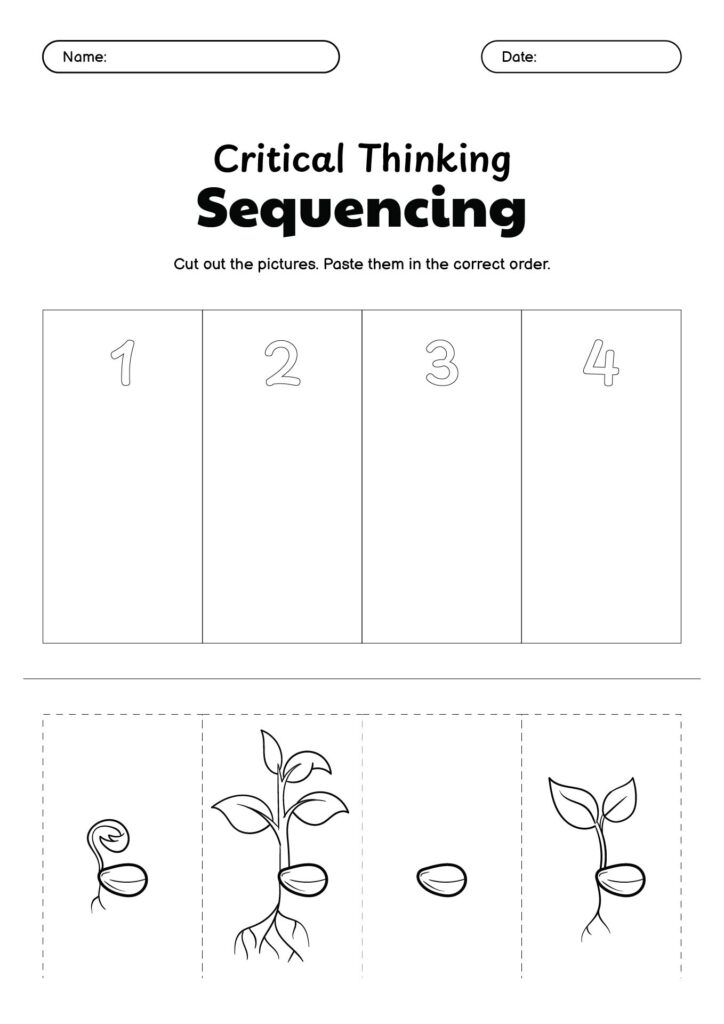
These worksheets usually build a few related skills at once. Children may sequence pictures from a story, arrange numbered steps for a routine, or complete a repeating pattern. That practice supports language development, memory, and logical thinking. It also helps children retell stories more clearly and follow directions in real tasks, such as washing hands, planting seeds, or preparing a snack.
Common worksheet formats
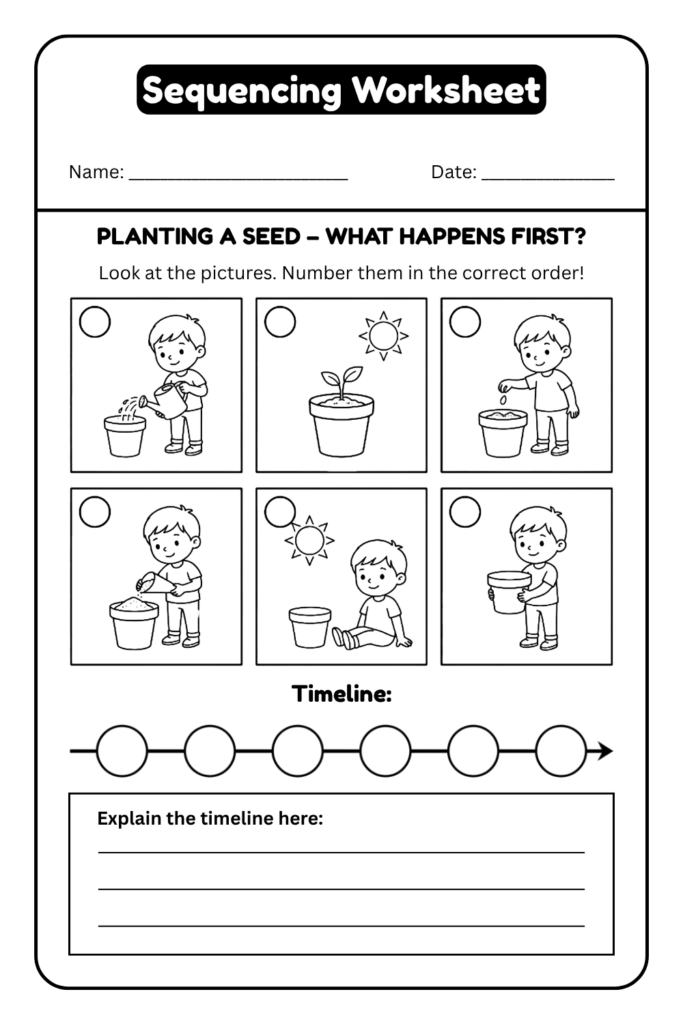
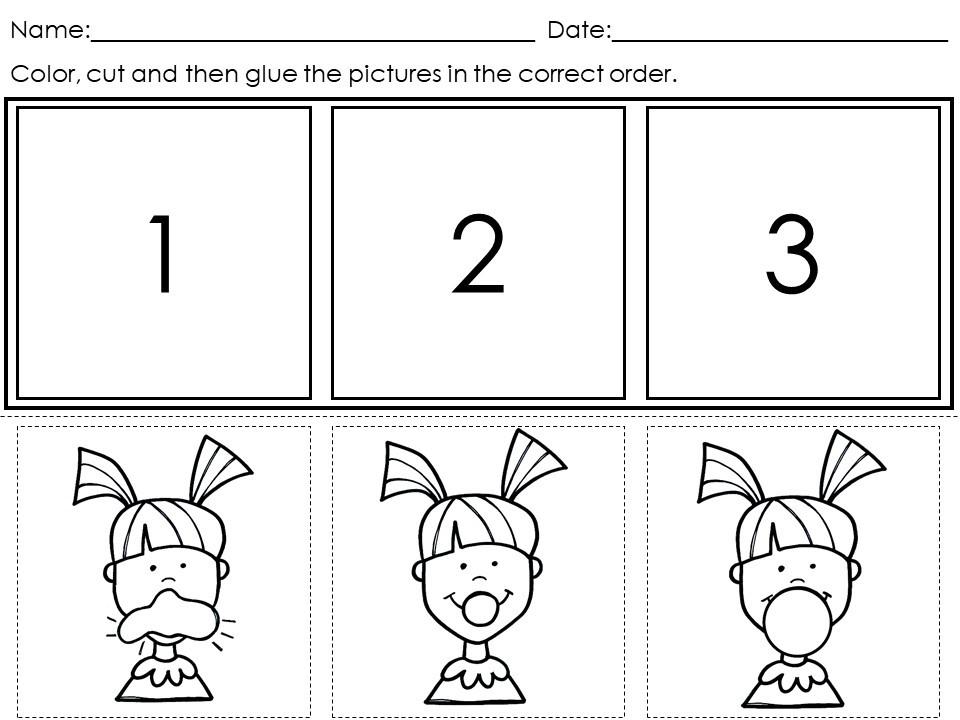
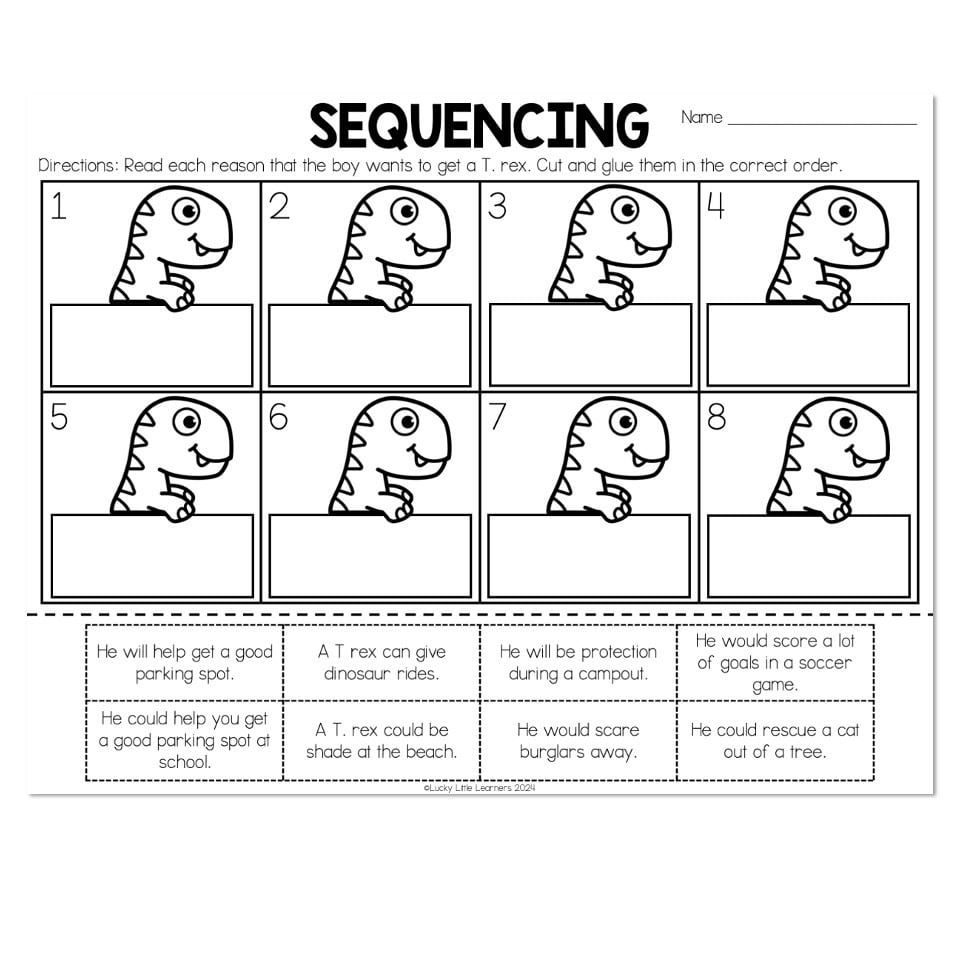
The most useful formats are simple and visual. Picture cards to cut and paste, sentence strips to number, and short story scenes to order are all common. Some worksheets use arrows, first/next/then/last boxes, or blank spaces for numbering. For younger children, large images and limited text work best. Older children can handle more steps, mixed-up paragraphs, or longer sequences with fewer visual clues.
Choosing by age
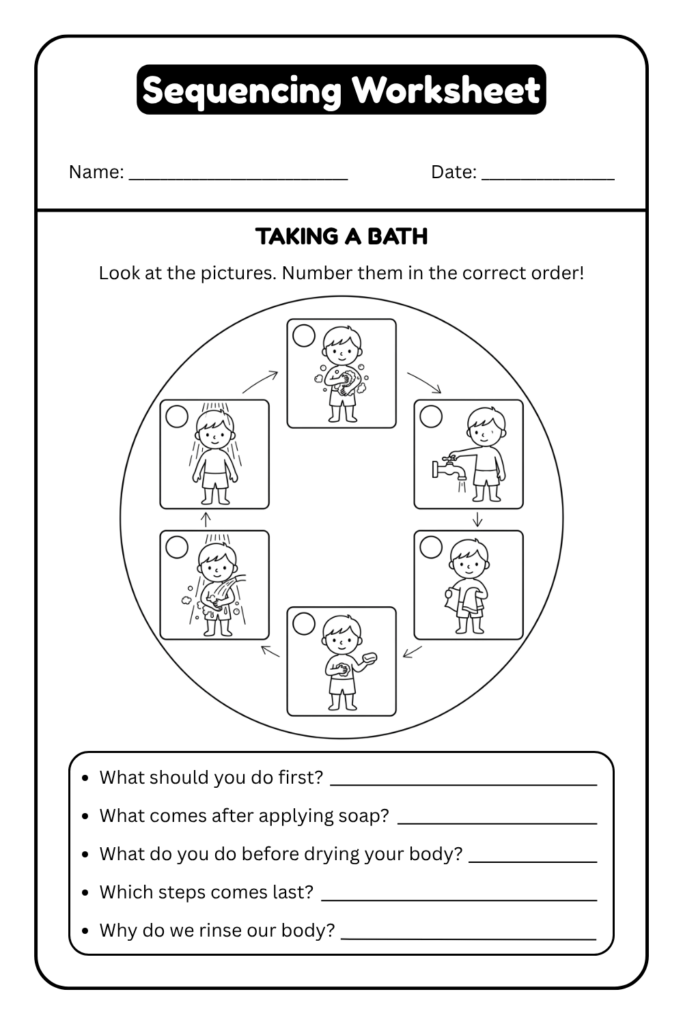
When choosing sequencing thinking worksheets, match the challenge to the child’s skill level. Preschoolers often need three-picture orderings and everyday routines. Kindergarten and early elementary students can work with four- or five-step sequences and simple stories. Older children may be ready for multi-step processes, cause-and-effect order, or more detailed narratives. The best worksheets are clear, uncluttered, and focused on one sequencing goal at a time.
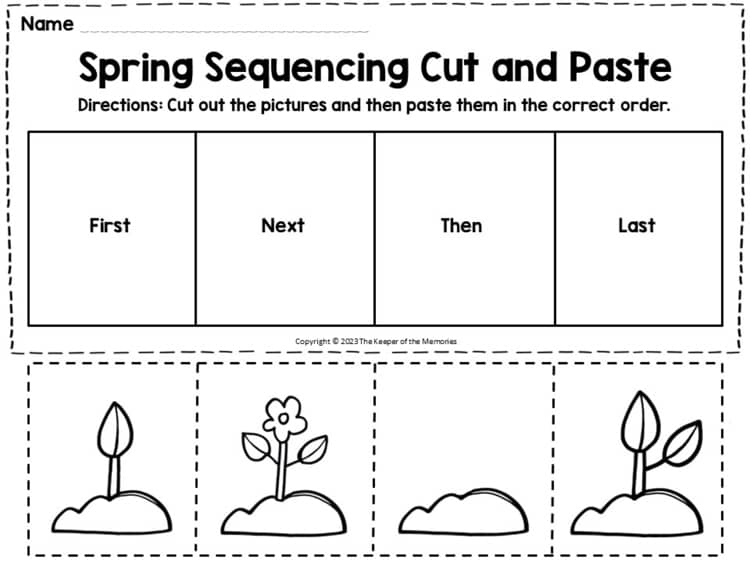
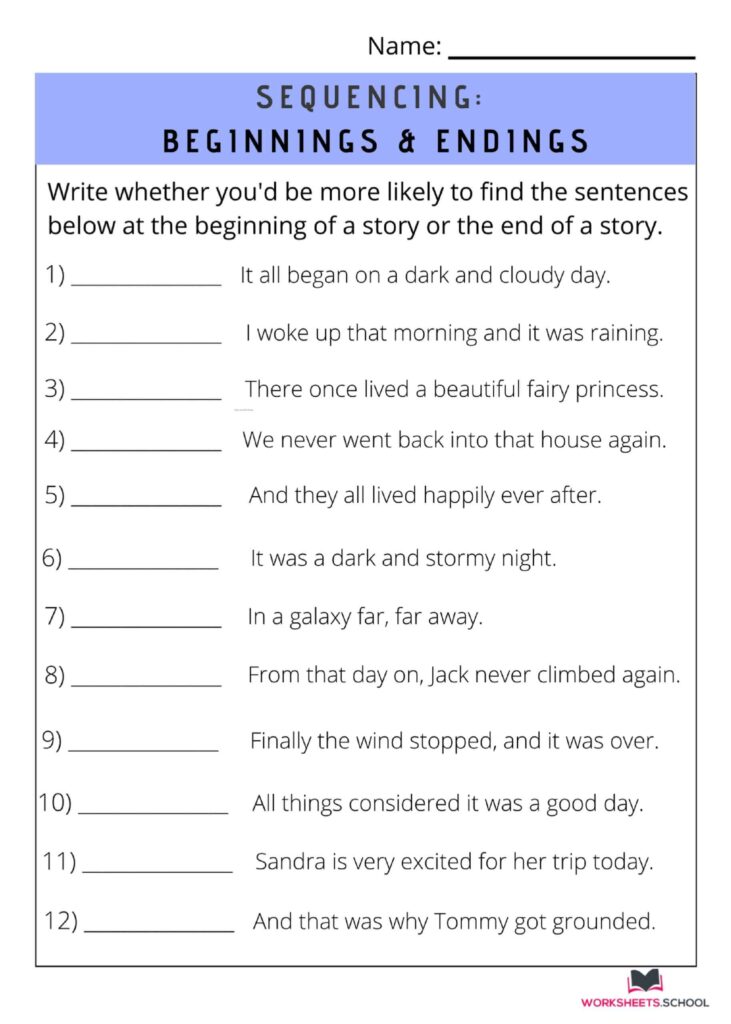
For classroom or home use, look for worksheets that invite discussion, not just marking answers. Children learn more when they explain what happened first or how they knew a pattern should continue. A strong worksheet is easy to revisit, can be used independently or with support, and gives a quick check of understanding. Used regularly, sequencing practice can become a practical habit for building order, attention, and confidence.



