
Ten frame worksheets give young learners a simple way to build number sense with a clear 10-box visual. Children can count dots, match numerals, fill empty spaces, and see how numbers relate to five and ten. Because the layout is so consistent, these worksheets are especially useful for early counting, number recognition, and the first steps toward addition.
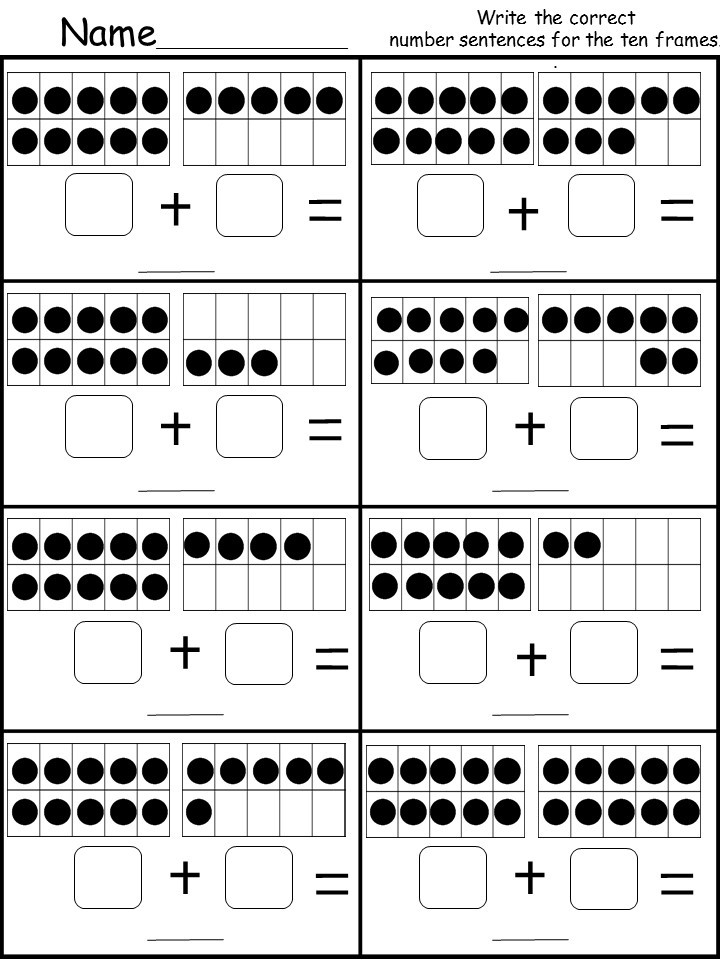
A ten frame worksheet usually shows a two-by-five grid, sometimes empty and sometimes partly filled with dots or pictures. Children use it by counting each space one at a time, naming the total, or adding more counters until the frame is full. This supports one-to-one counting and subitizing, since small groups can be recognized at a glance. The same structure also helps learners notice which numbers make ten, a key early math idea.
Worksheet Types by Skill
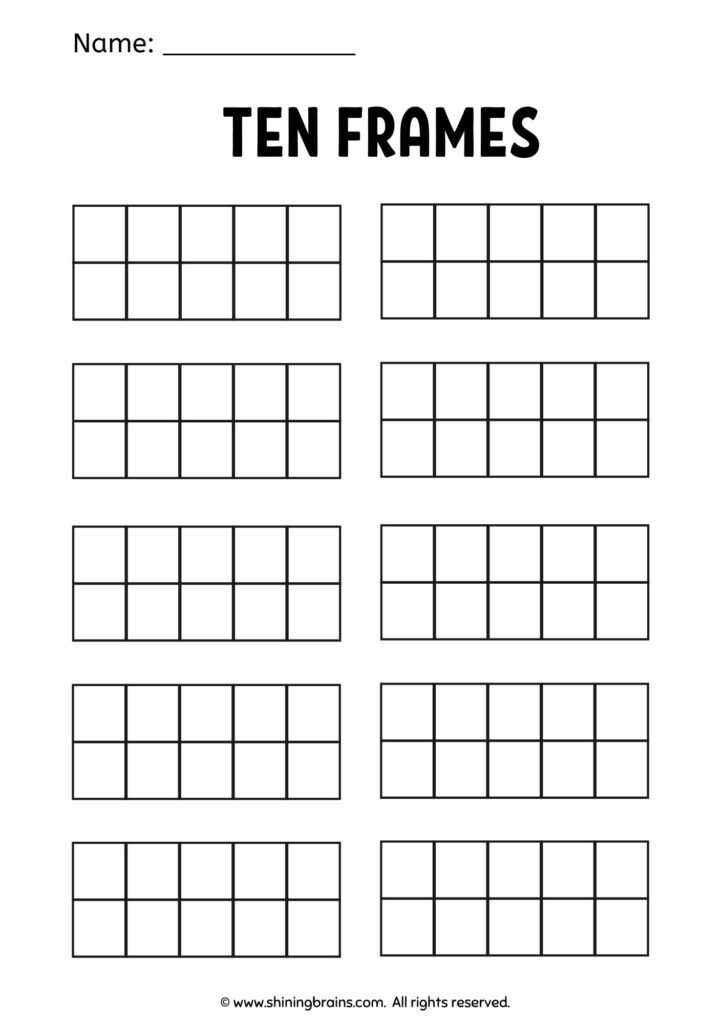
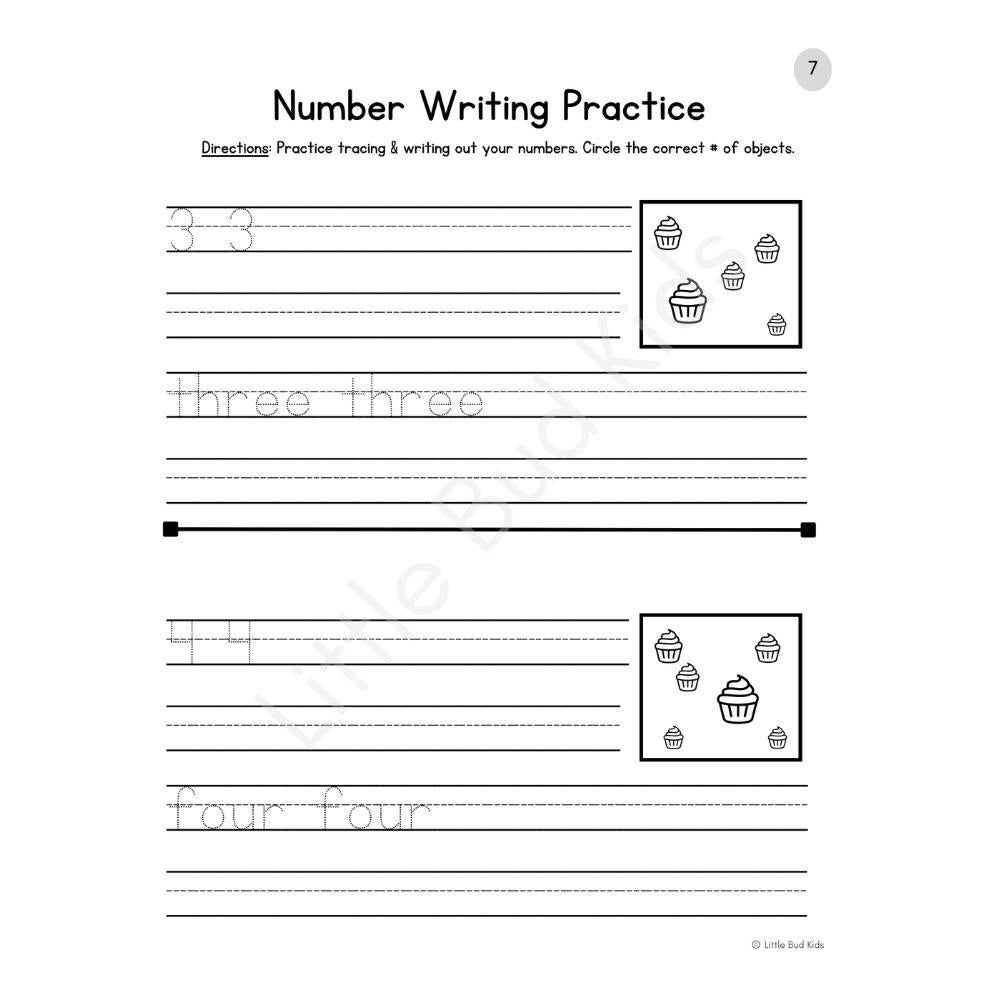
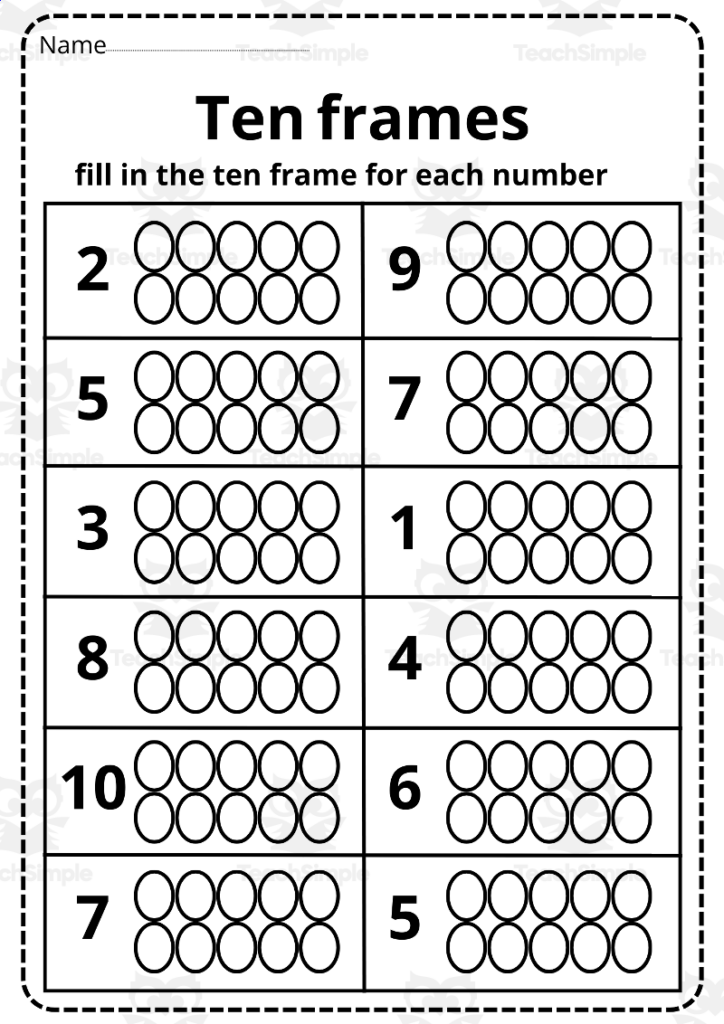
Different ten frame worksheets fit different skill levels. Blank frames work well for children who are ready to build numbers independently, while filled frames help with number recognition and quick counting. Counting-object pages, such as apples, stars, or circles, add visual support for learners who need a concrete prompt. For early addition, worksheets within 10 often ask children to see one frame partly filled and decide how many more are needed to make ten.
Choosing the Right Level
When choosing ten frame worksheets, match the page to the learner’s current comfort level. Beginners usually need clear, uncluttered frames with small numbers and obvious visuals. Children who already count confidently can move to mixed layouts, missing-number tasks, or simple addition within 10. If the worksheet feels too busy, the math skill may be hidden by the design. The best page is the one that lets the child focus on the ten frame pattern itself.
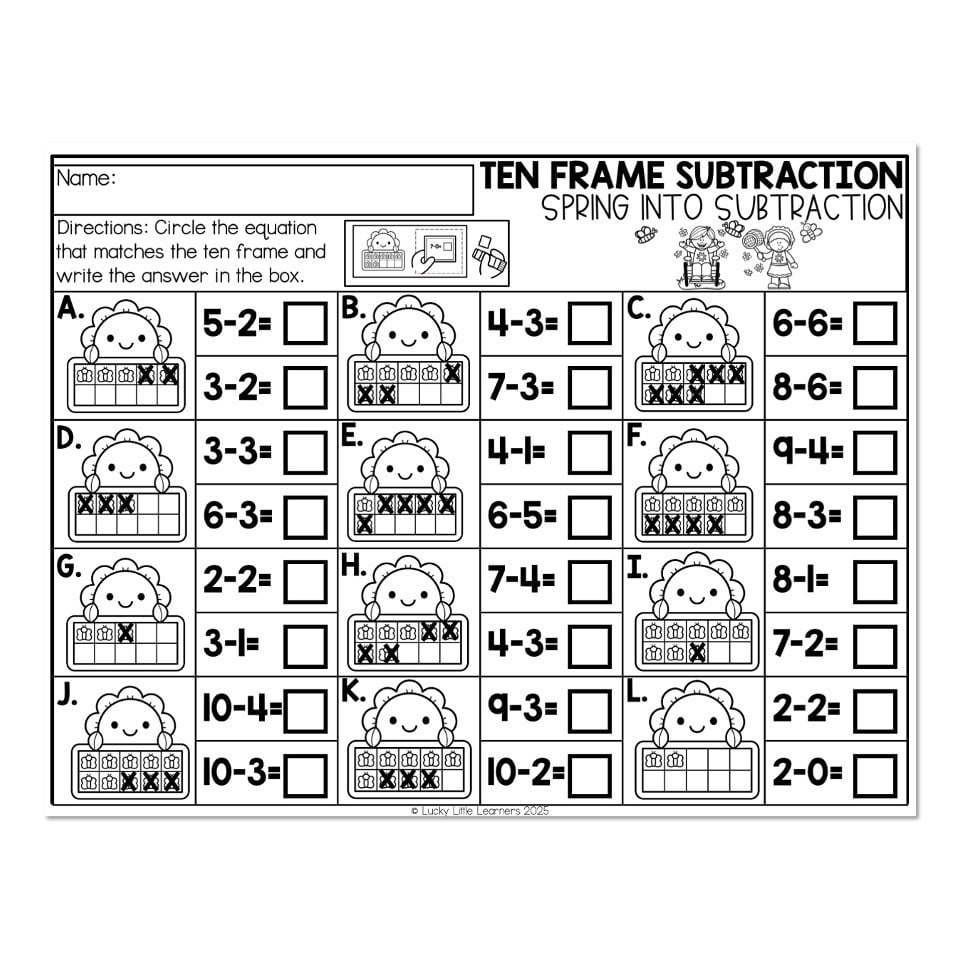
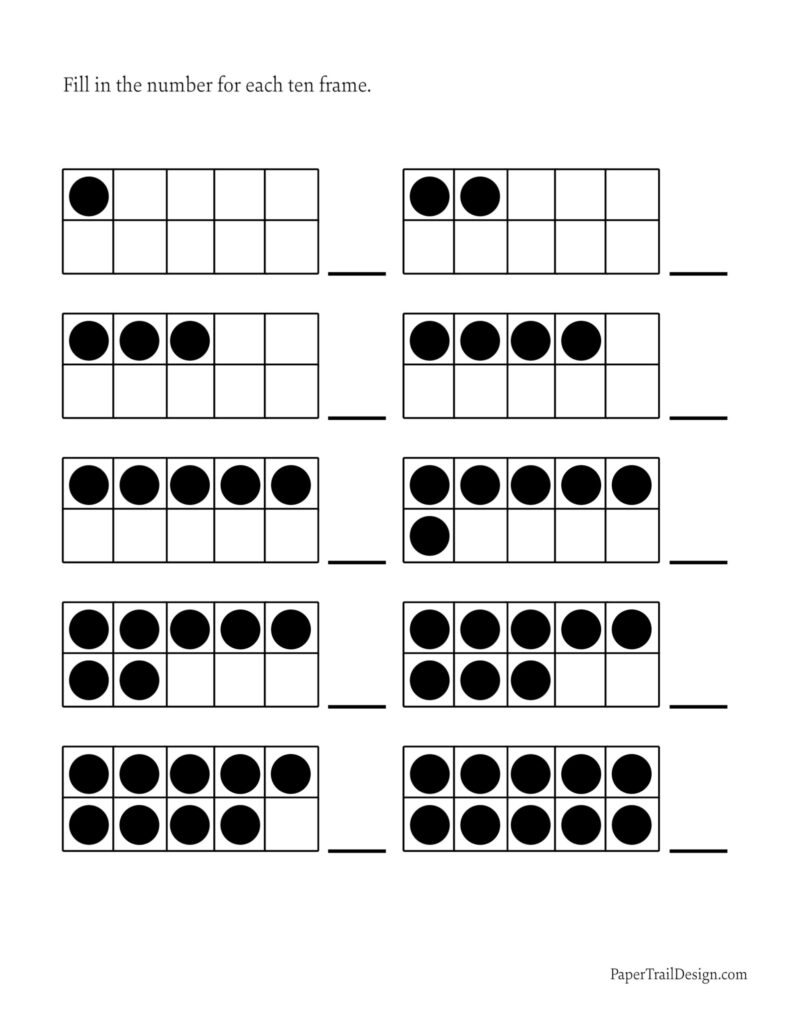
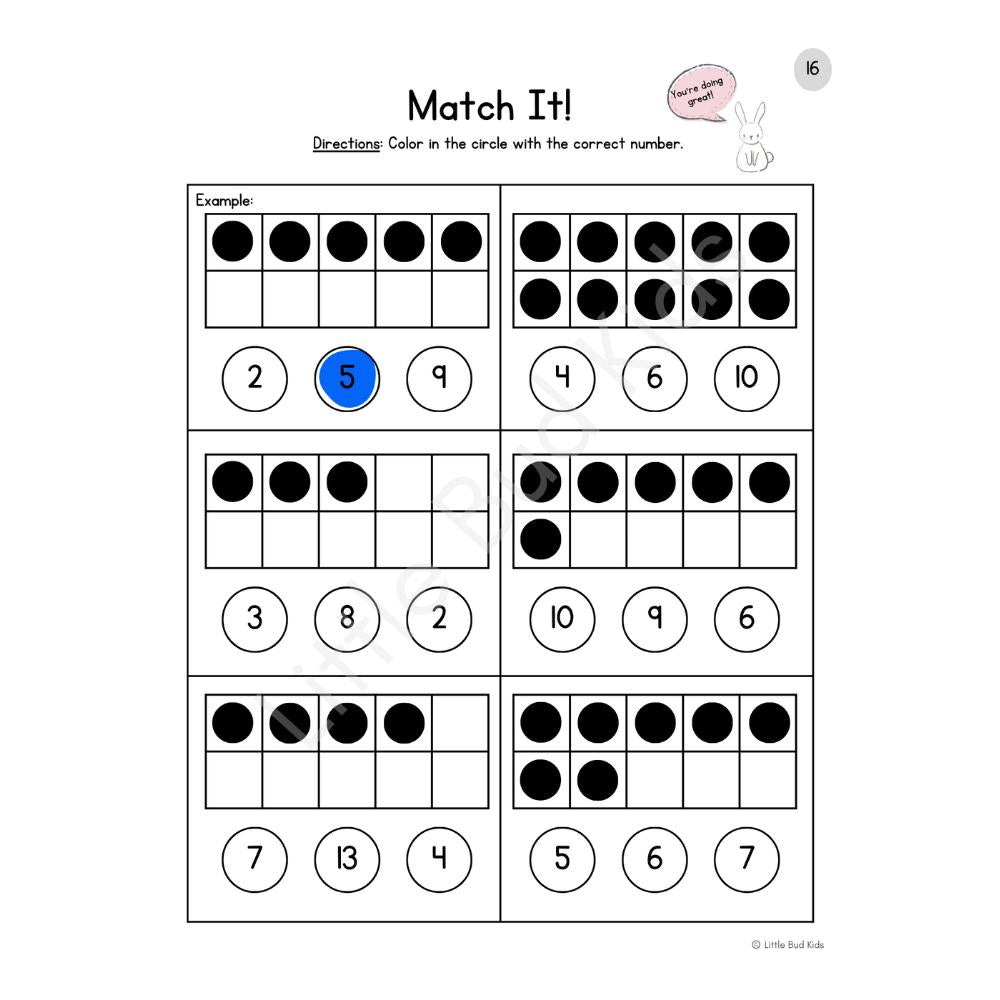
In practice, the strongest ten frame worksheets are simple, visually clean, and tied to one goal at a time. Look for pages that reinforce counting, numeral recognition, subitizing, or making ten without adding extra distractions. A good next step is to start with filled frames, then move to blank frames and small addition problems as the learner becomes more confident. That steady progression keeps the ten-frame model useful without overwhelming early math practice.



