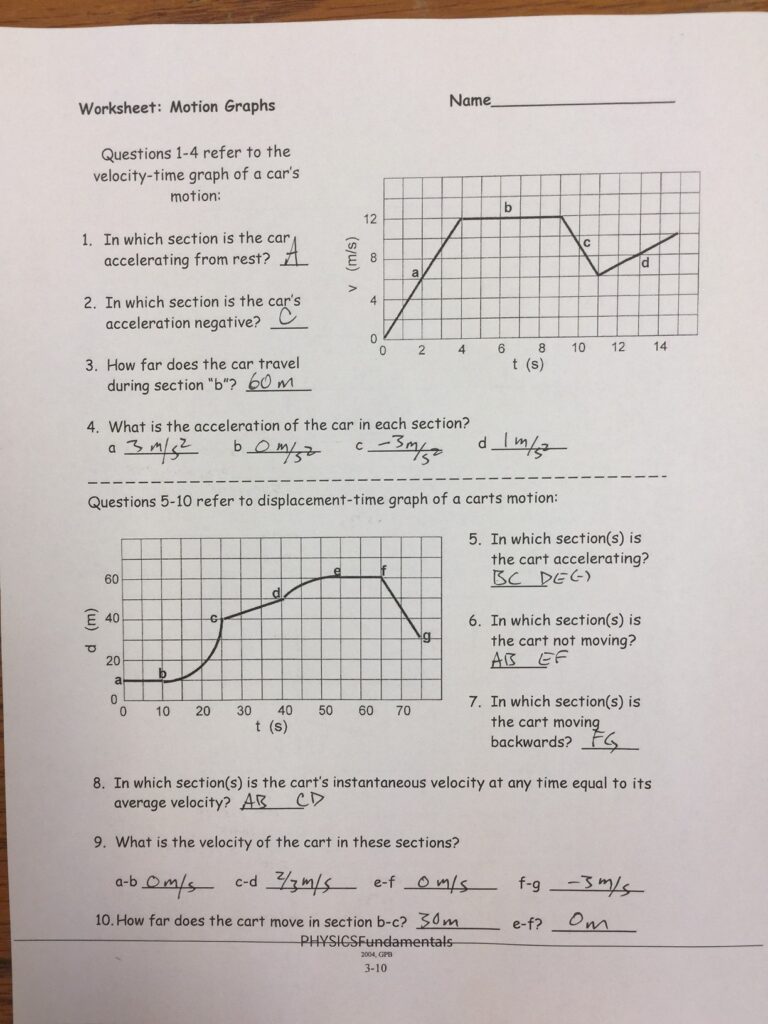
A worksheet motion graphs answer key is most useful when it helps you check how to read the graph, not just whether a number is right. For distance-time and velocity-time questions, the main goal is to connect what the line does with what the motion means. If you know how to read slope, direction, and flat sections, you can verify most worksheet answers quickly.
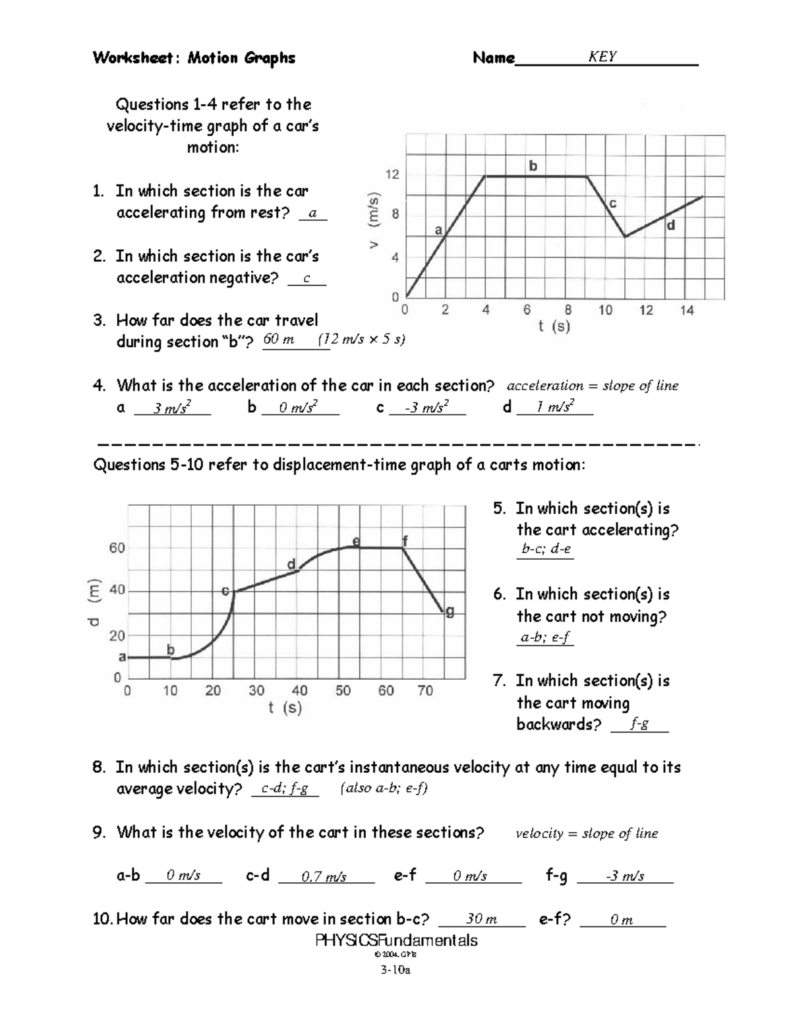
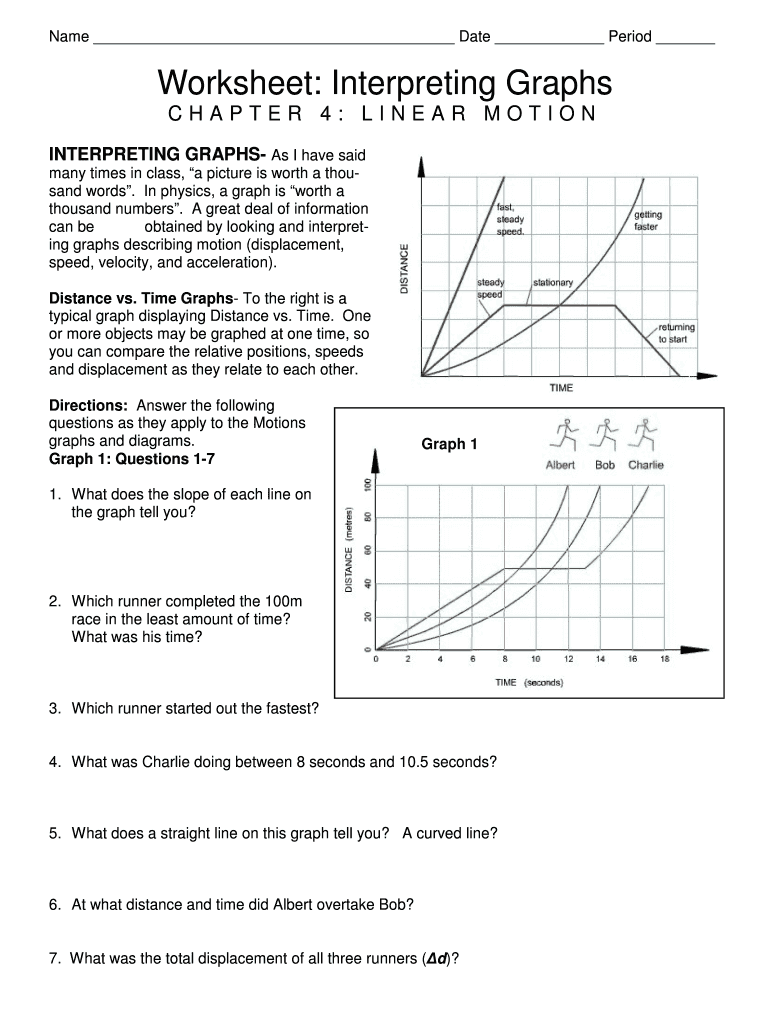
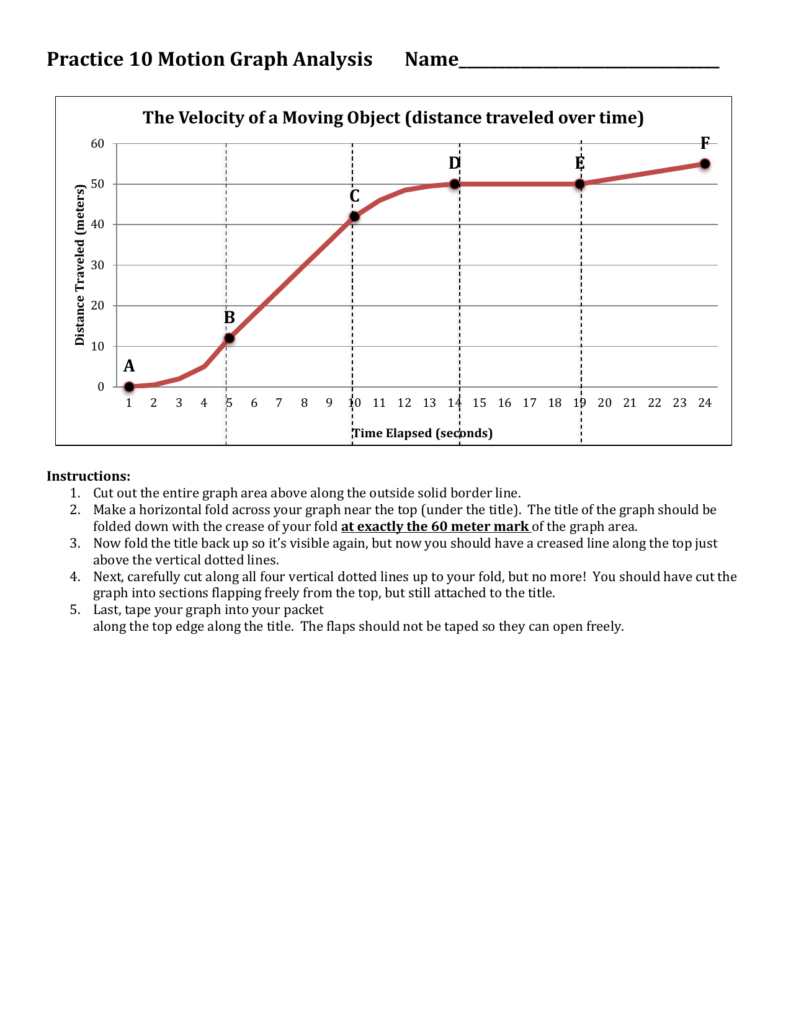
On distance-time graphs, the slope tells the speed. A steeper line means faster motion, while a flat line means no movement. A rising line shows distance increasing over time, and a falling line means the object is moving back toward the starting point if the graph uses distance from a reference point. On velocity-time graphs, the line shows speed and direction directly, so above the axis means positive velocity and below the axis means negative velocity. Answer keys usually rely on those relationships.
Common Worksheet Tasks
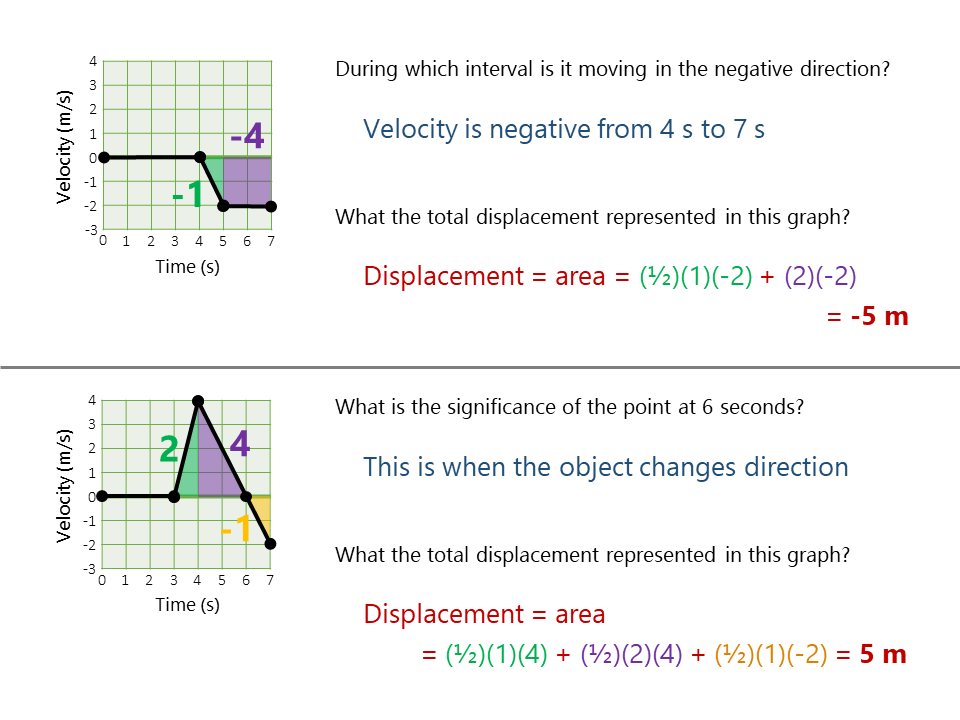
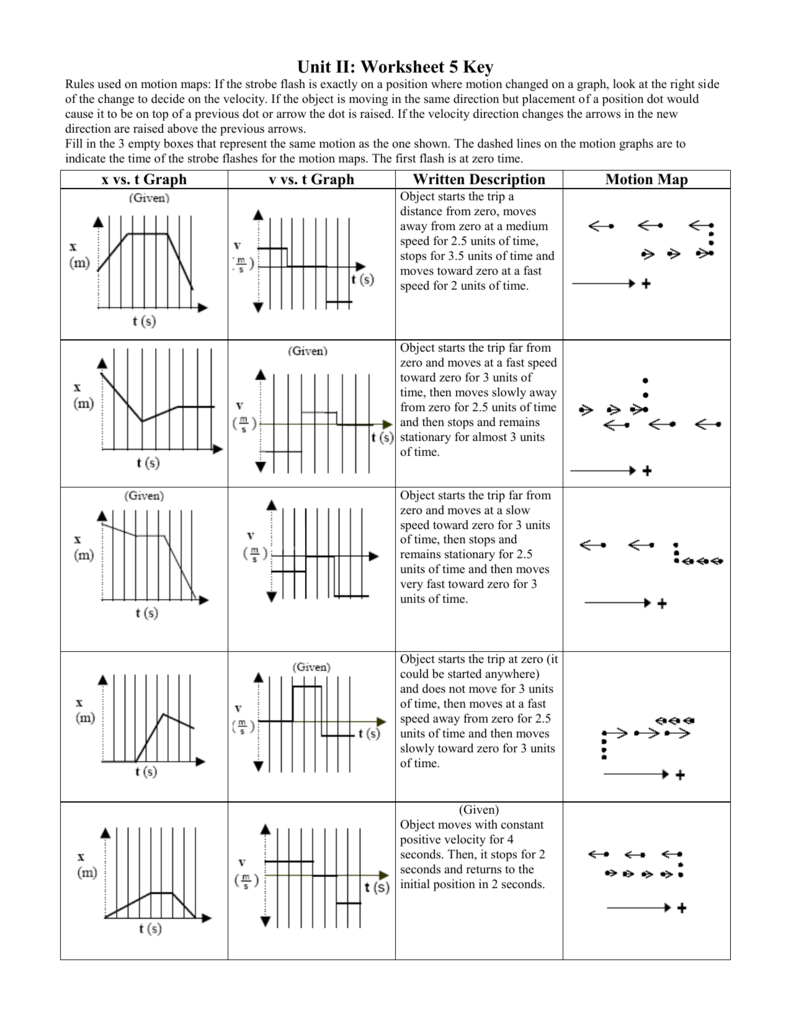
Many worksheet questions ask students to identify motion from a graph, such as saying whether an object is stopped, moving steadily, speeding up, or turning around. Others ask for the graph that matches a written description, like walking at a constant pace, pausing, then returning. An answer key should confirm the main idea for each part of the graph, not only the final label. If one section is flat, the correct interpretation is rest; if the line changes steepness, the speed changes too.
How To Check Answers
When checking an answer key, compare each segment separately. First ask what the slope does, then decide whether the object is moving, stopping, or reversing. For velocity-time graphs, also notice whether the line crosses zero, because that can show a change in direction. If a worksheet includes multiple choice or matching items, eliminate choices that ignore the graph’s shape. The best answer is the one that matches both the direction of the line and the story the motion graph tells.
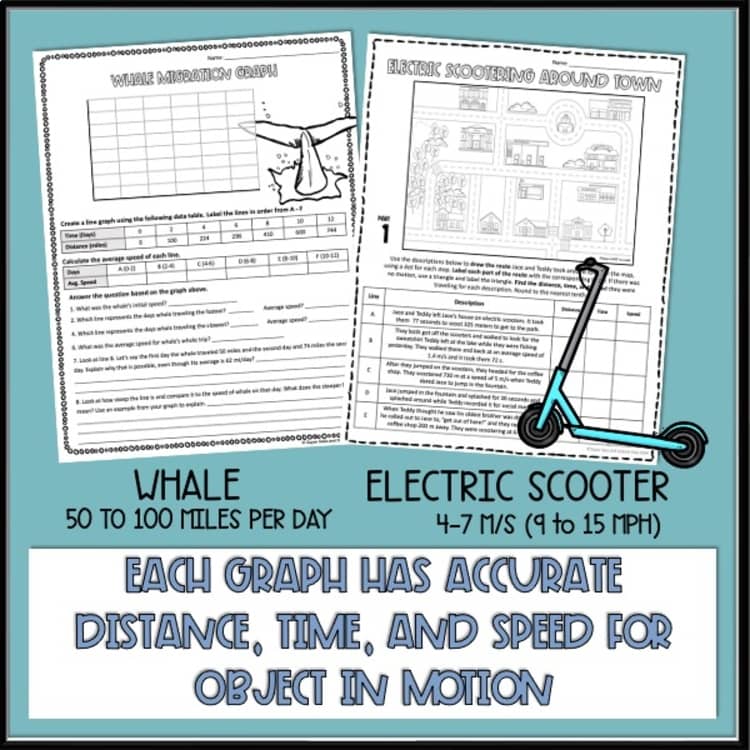
If you are using a worksheet motion graphs answer key to study, focus on the pattern behind each answer rather than memorizing the completed page. Practice naming flat, rising, falling, and steeper sections until the interpretation feels automatic. That makes it easier to check your own work, catch mistakes, and explain why a graph shows constant speed, no motion, or a change in direction.