
Writing worksheets printable are simple, ready-to-use pages for handwriting, tracing, sentence practice, and early writing skill building. They help learners practice on paper without having to create materials from scratch. The most useful worksheets are easy to read, match the learner’s level, and use a line style that supports the writing goal, whether that means letters, words, or short sentences.
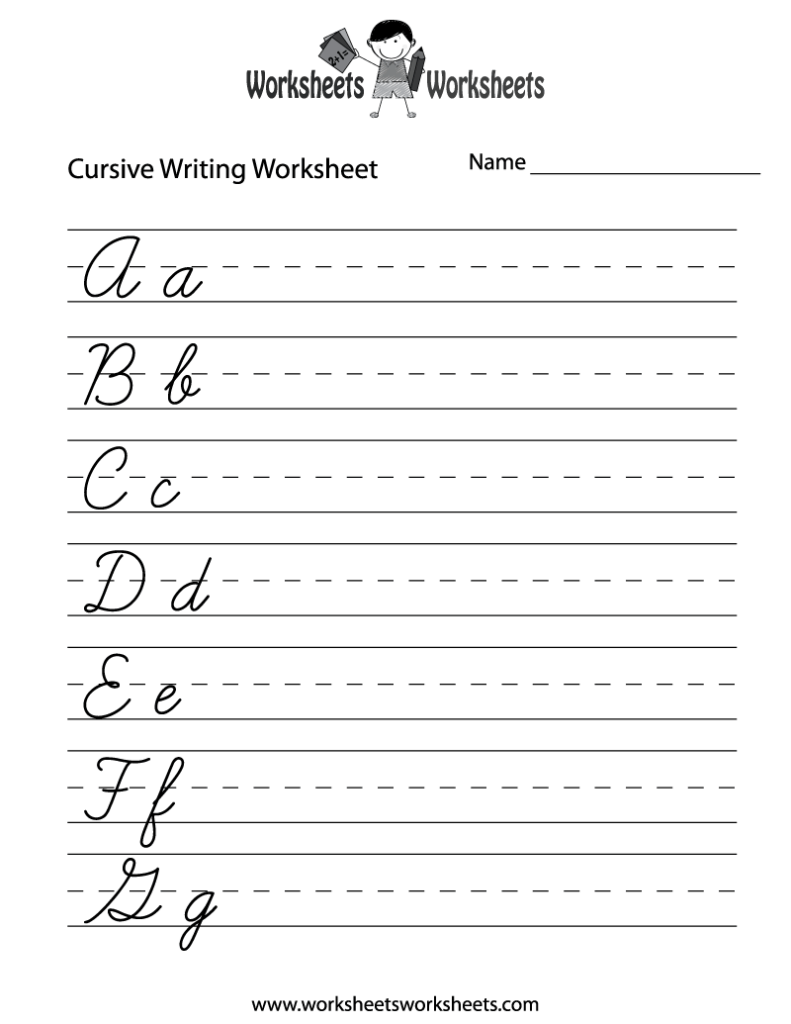
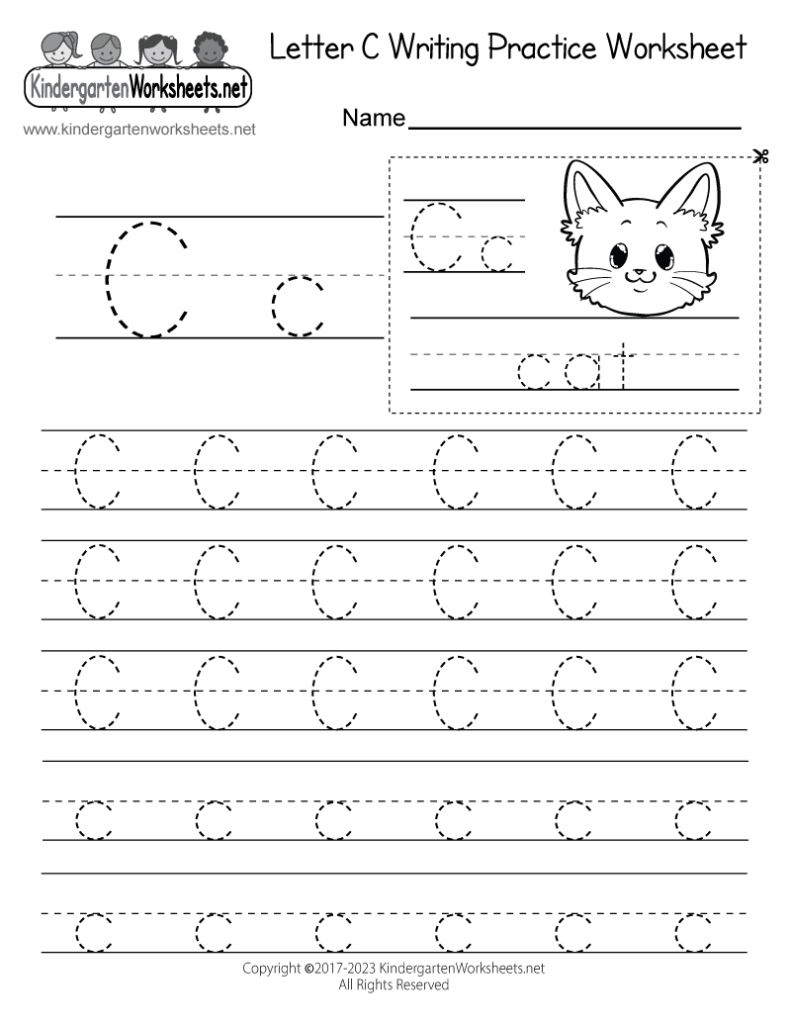
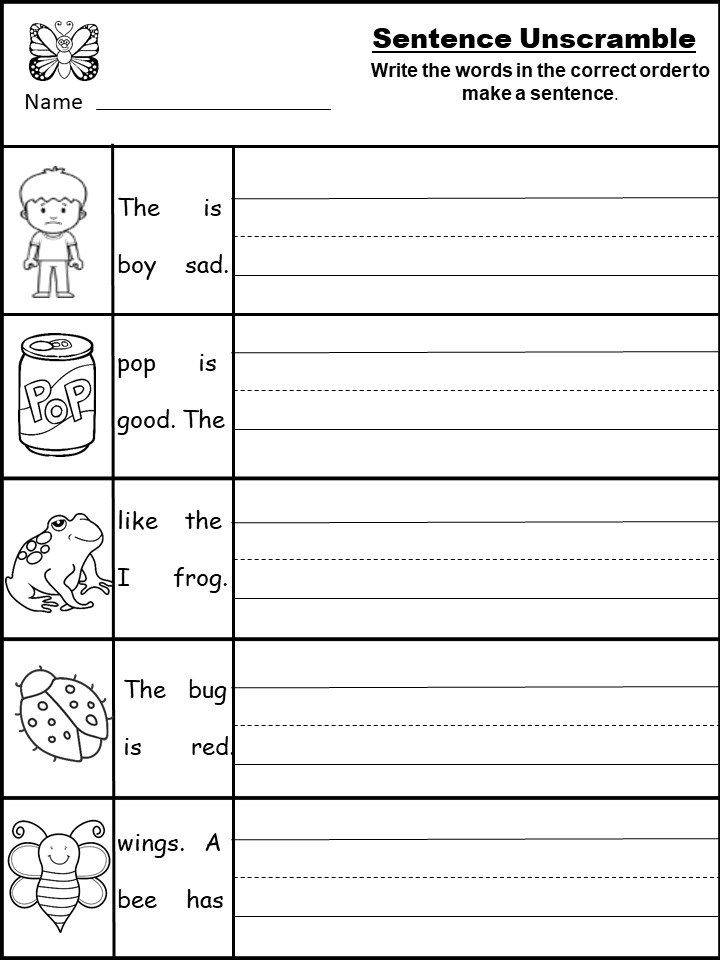
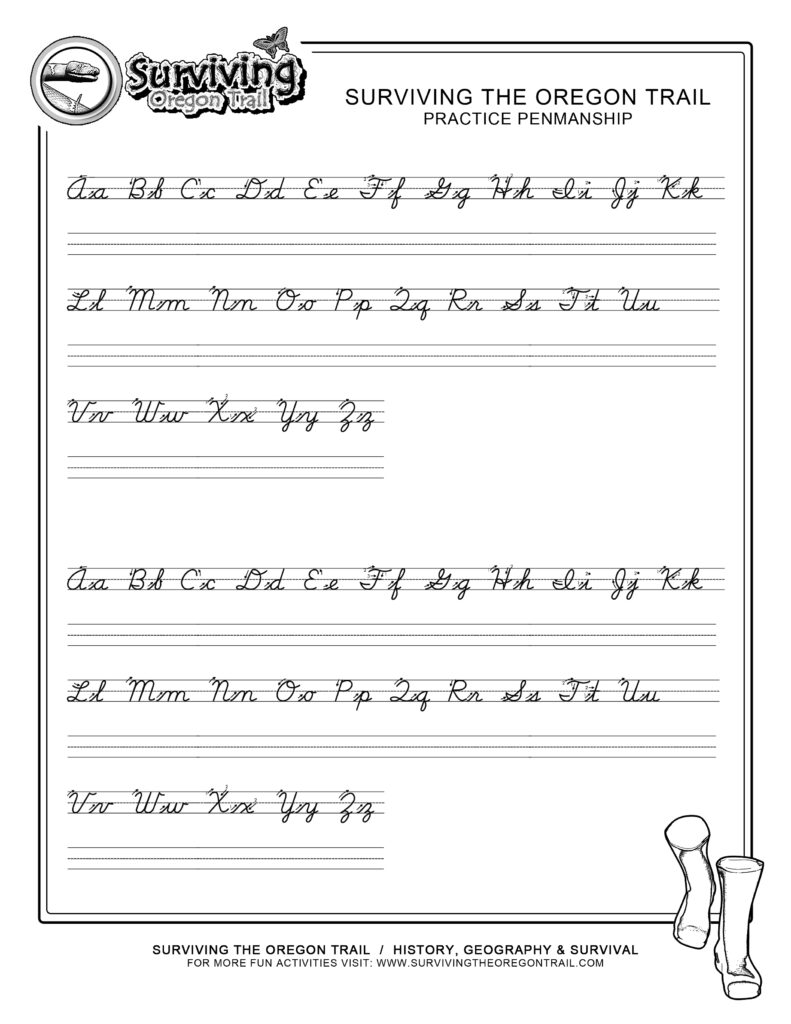
The term usually includes several worksheet types. Handwriting pages focus on letter formation, either uppercase, lowercase, or both. Tracing worksheets give learners dotted letters or words to follow, which is helpful for beginners. Sentence-writing sheets may offer a model to copy, a fill-in-the-blank line, or space for original writing. Simple prompt-based pages often use pictures or short cues to encourage one or two sentences. Choosing the right type depends on whether the goal is fine-motor practice, letter accuracy, or moving toward independent writing.
What To Look For
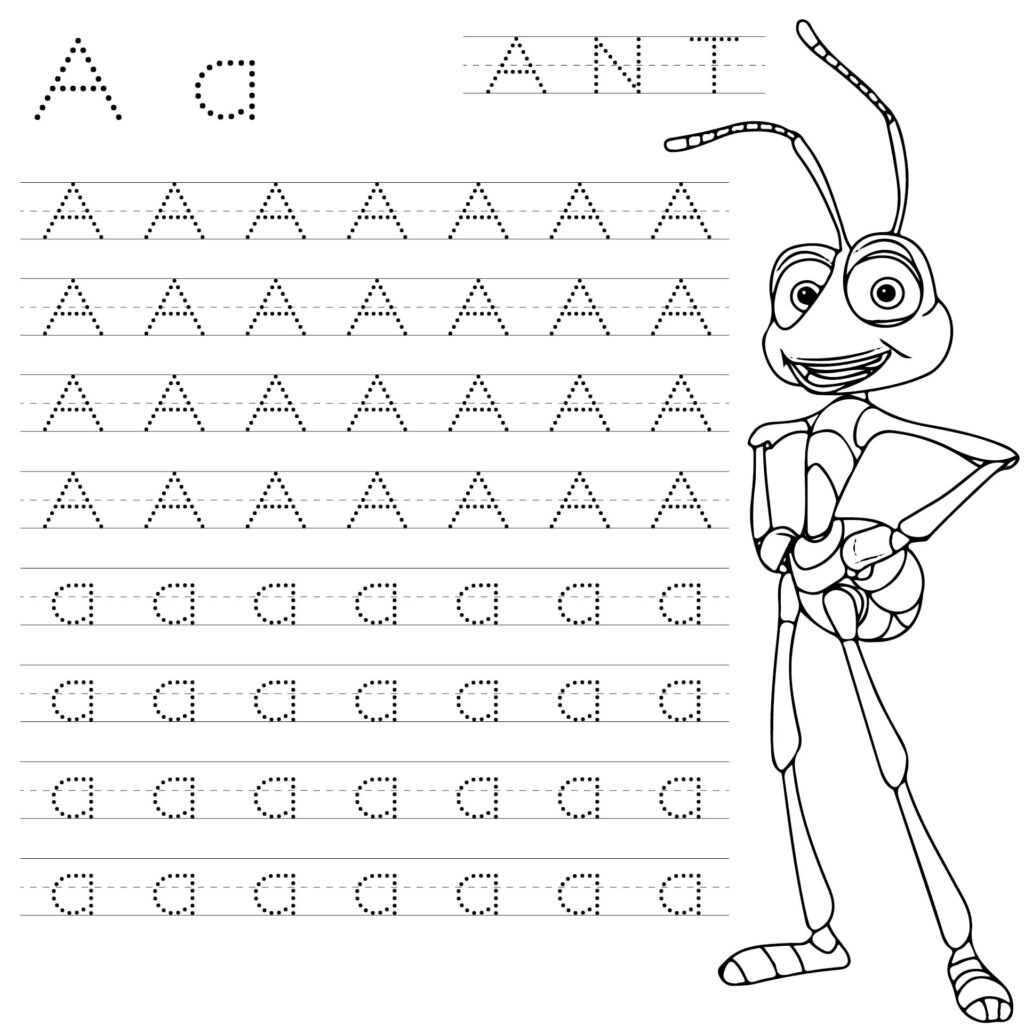
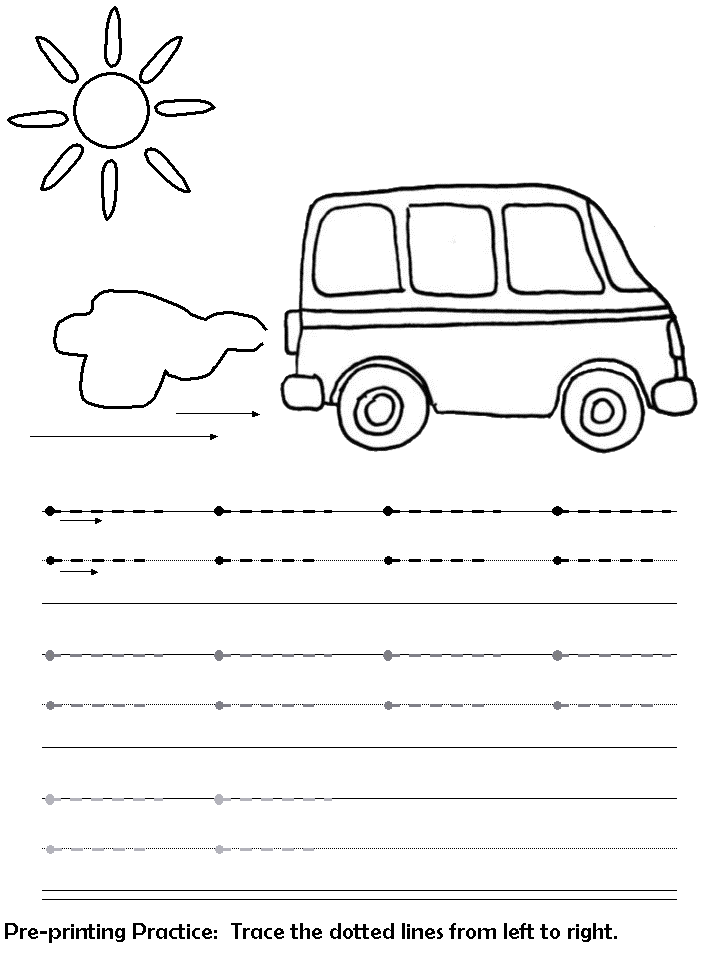
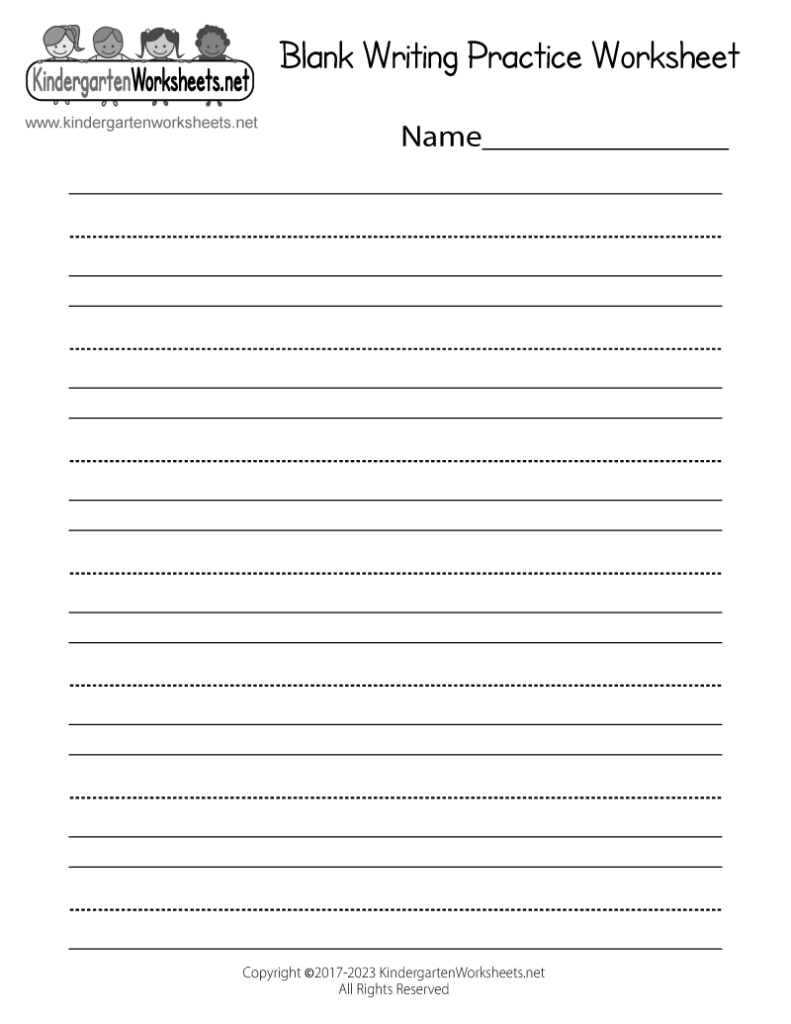
Age and skill level matter most. Younger children usually need larger letters, wider spacing, and fewer words per page, while older learners may need smaller print and more lines for complete sentences. Letter formation style also matters, especially whether the worksheet uses manuscript, cursive, or a classroom-specific style. Line format should match the task: solid lines for beginners, dashed tracing lines for early practice, or standard handwriting lines for sentence work. Clear examples and uncluttered layouts usually make worksheets easier to use.
Printing And Format
Before downloading, check whether the sheet is truly printable at home. A good worksheet should fit standard paper sizes, usually letter or A4, without cutting off margins or lines. Make sure the text is large enough to stay legible after printing and that there is enough space for the learner to write comfortably. Black-and-white designs are often best for home printing because they save ink and keep the page clean. If a worksheet looks crowded on screen, it may be harder to use once printed.
For best results, match the worksheet to the learner’s current ability and use it in short sessions. A beginner may do better with tracing one letter or word at a time, while a more advanced learner can copy short sentences or respond to prompts. If the page is too hard, the writing may become messy before the learner gets useful practice. If it is too easy, there may be little progress. The best printable writing worksheets make practice manageable, clear, and repeatable.



