
Autumn worksheets for kindergarten work best when they feel simple, familiar, and easy to finish in short bursts. Look for pages that combine seasonal pictures with early learning skills like tracing, counting, matching, and coloring. The most useful worksheets keep directions brief, use large print, and give children a clear task they can complete with little adult help. That makes them practical for classrooms, homes, and homeschool routines alike.
Best Worksheet Types
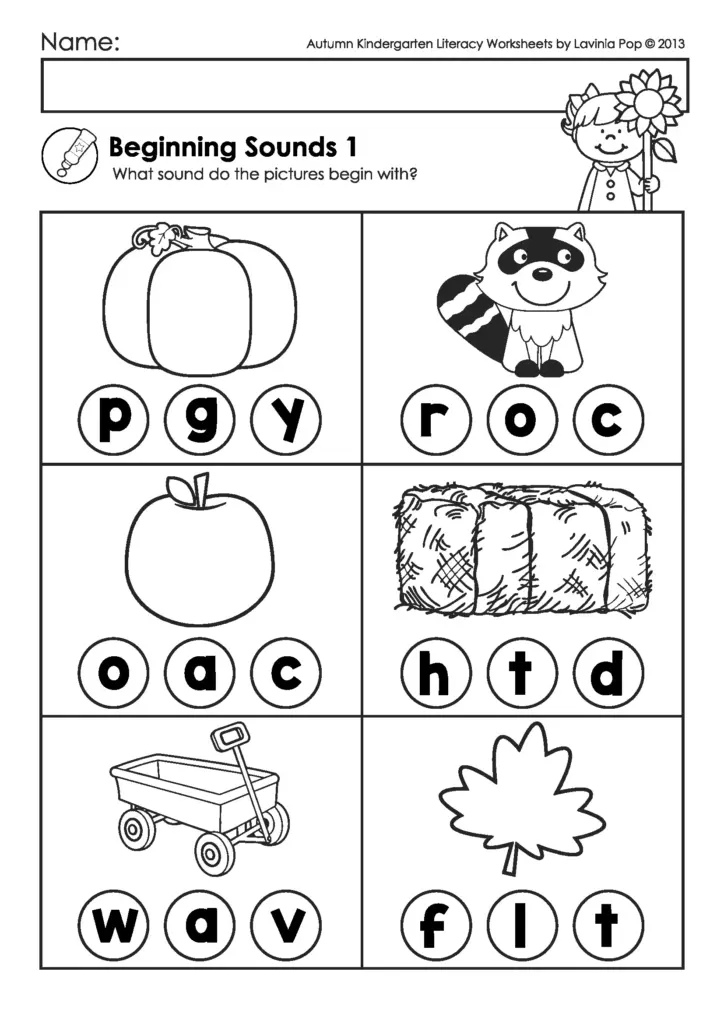
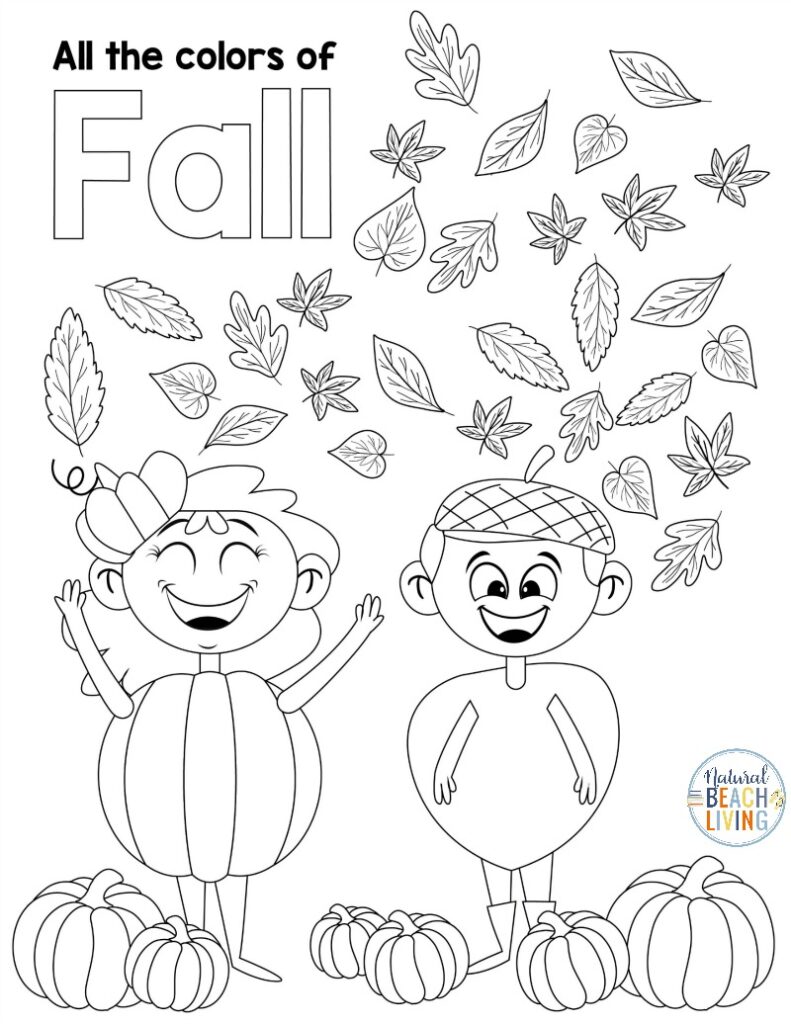
The most helpful kindergarten autumn worksheets focus on a few core skills. Tracing lines, letters, or shapes builds early control for writing. Counting pages with leaves, pumpkins, or apples support number recognition and one-to-one counting. Matching activities can pair objects, shadows, or pictures, while beginning-sound pages connect simple phonics to seasonal images. Cut-and-paste tasks and light coloring pages add variety without overwhelming young learners. These are ideal when you want practice that feels playful but still supports early literacy and math.
What to Look For
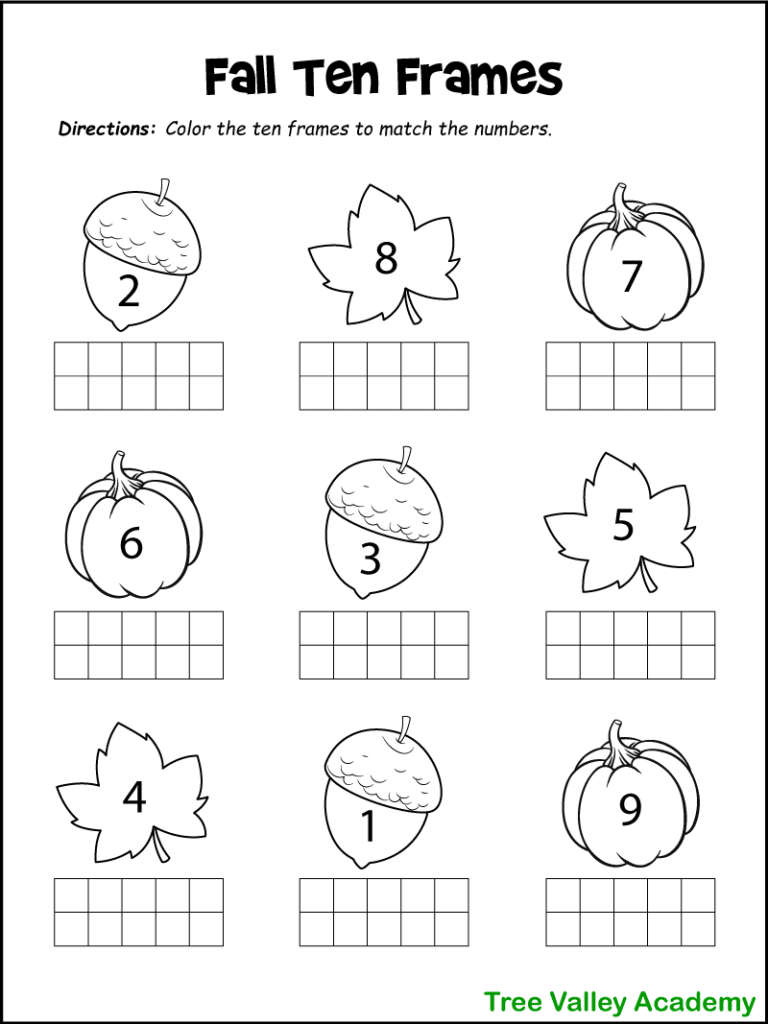
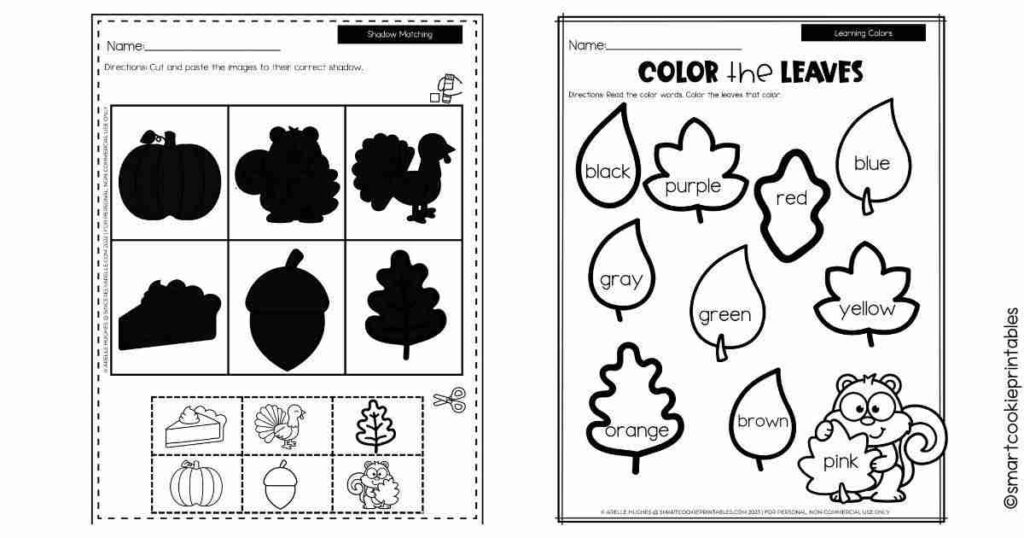
When choosing worksheets, think about how a five- or six-year-old actually works on paper. Short directions matter because many children in kindergarten are still learning to follow multi-step instructions. Large pictures, plenty of white space, and minimal writing help students stay focused. Fine-motor-friendly tasks, such as circling, tracing, or matching with lines, are often easier than long cutouts or dense handwriting. A good autumn worksheet should be clear enough for independent use, yet simple enough that a child can finish it with confidence.
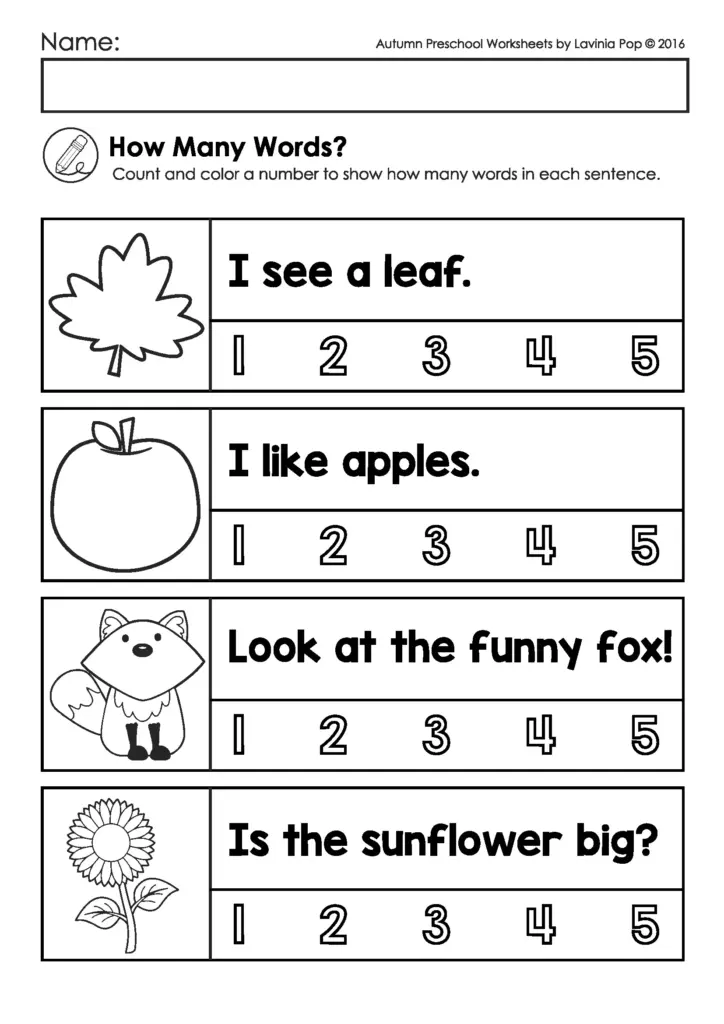
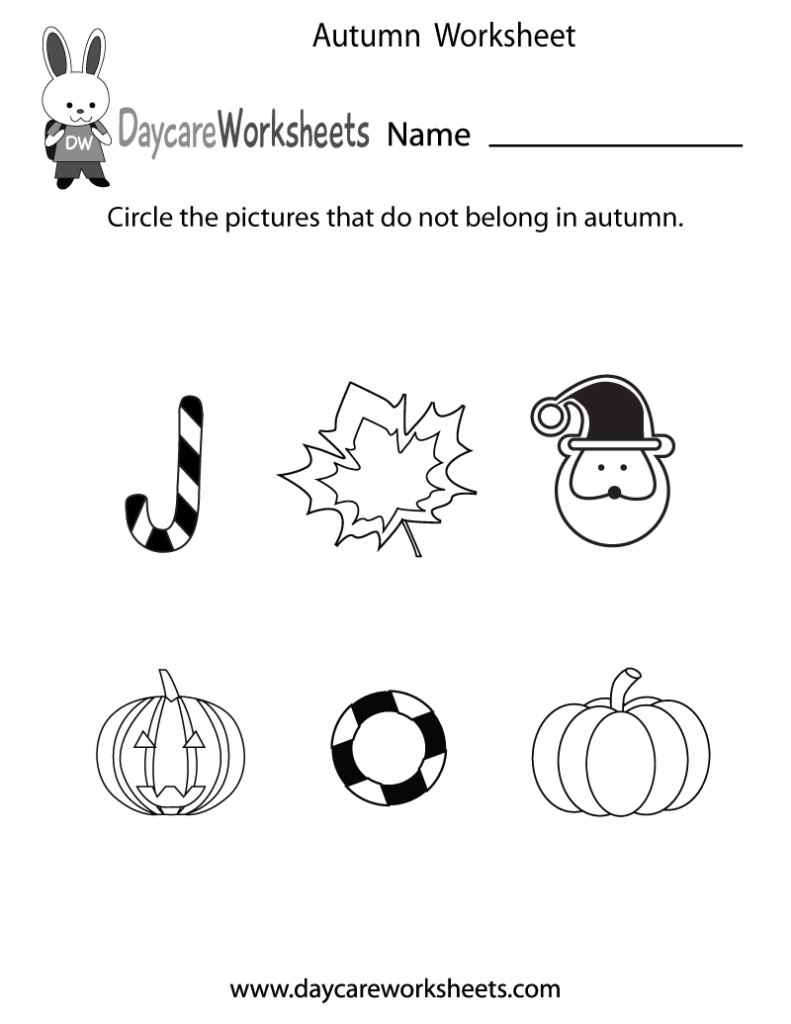
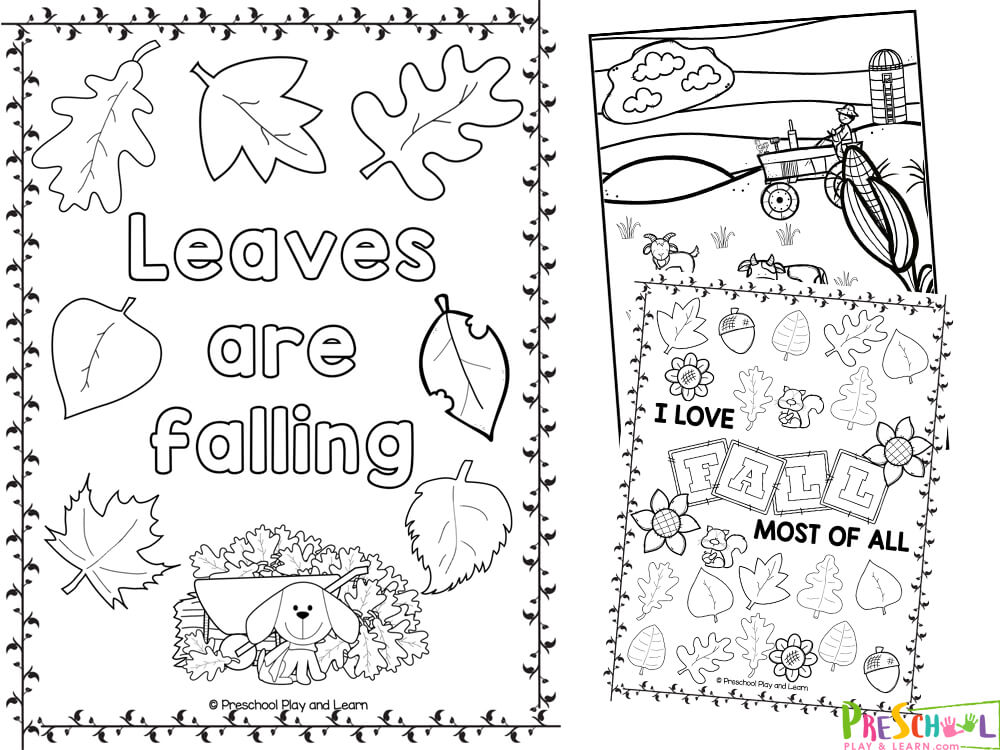
Autumn themes make worksheets feel timely without adding extra complexity. Leaves, pumpkins, apples, acorns, and harvest scenes are familiar enough for young children to recognize quickly. Those images can be used for sorting, counting, beginning sounds, or simple coloring pages. At home, they work well for quiet review or a short skills boost. In class, they fit morning work, centers, or independent seatwork. The best next step is to choose a few worksheets that match your child’s current skills and use them in small, regular practice sessions.



