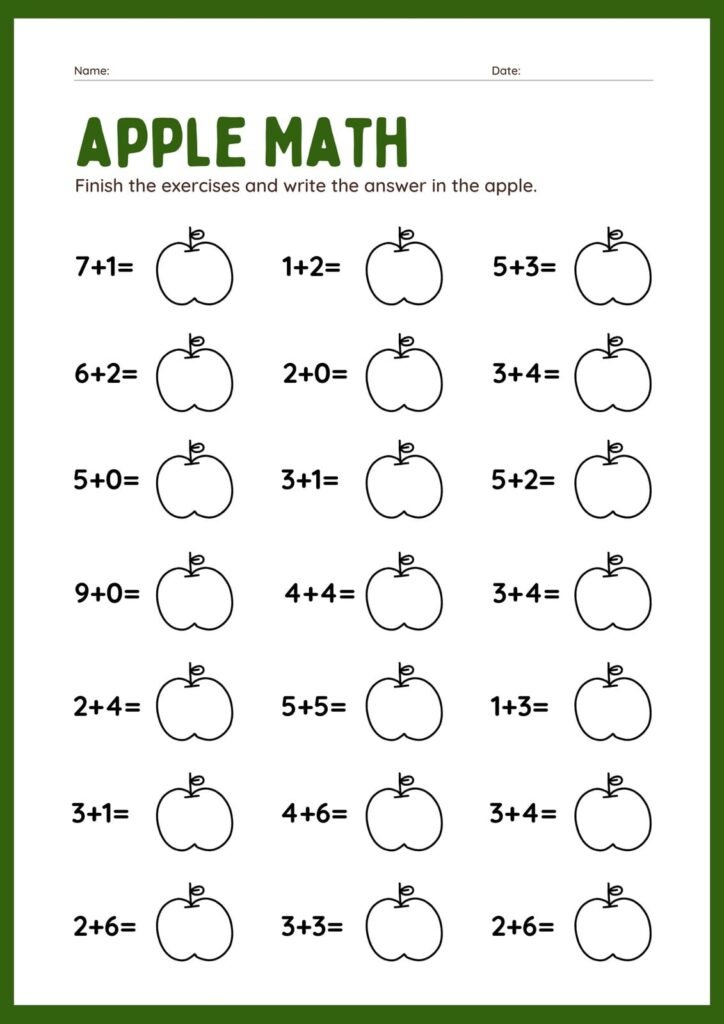
To create addition worksheets, start by deciding who the worksheet is for and what kind of addition practice it should deliver. A worksheet for beginning learners should look very different from one for students ready for regrouping. Once you define the grade level, number range, and practice goal, the rest of the page becomes easier to plan and review.
Choose the Addition Scope
Pick one addition range before you write the problems. Single-digit sums work well for early practice, while double-digit problems suit learners who already know basic facts. Mixed sets can combine a few easy and harder items, but they should still match the same skill level. Decide whether to include regrouping only after the learner is ready for it. Keeping the scope narrow helps the worksheet feel clear instead of crowded or confusing.
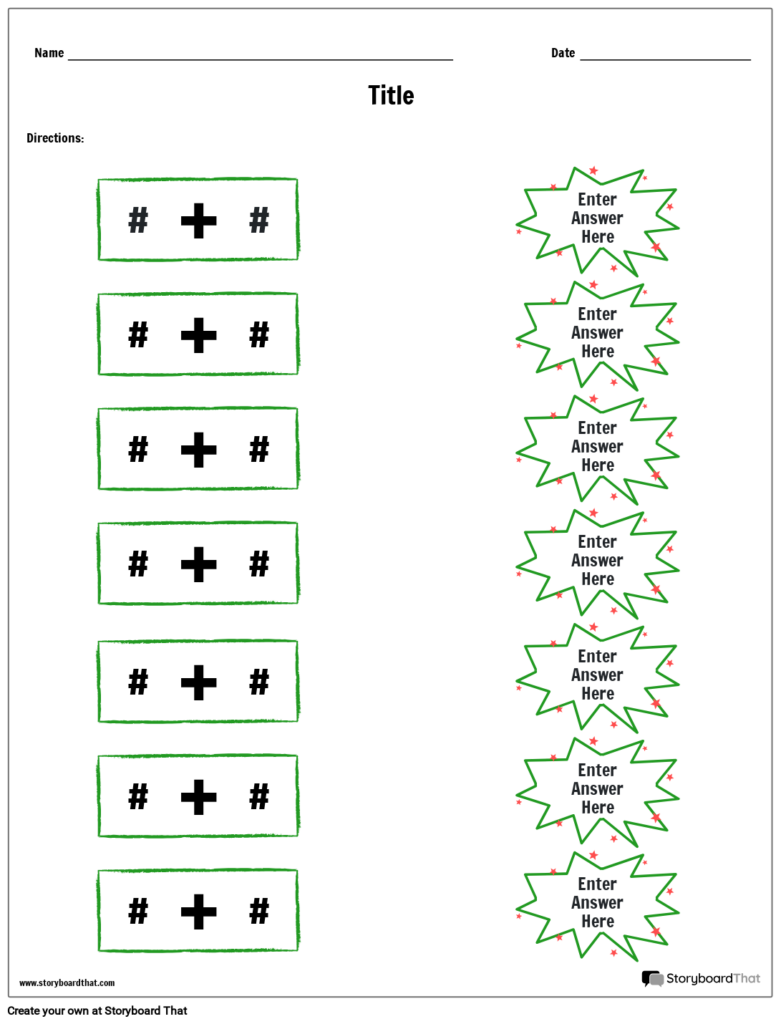
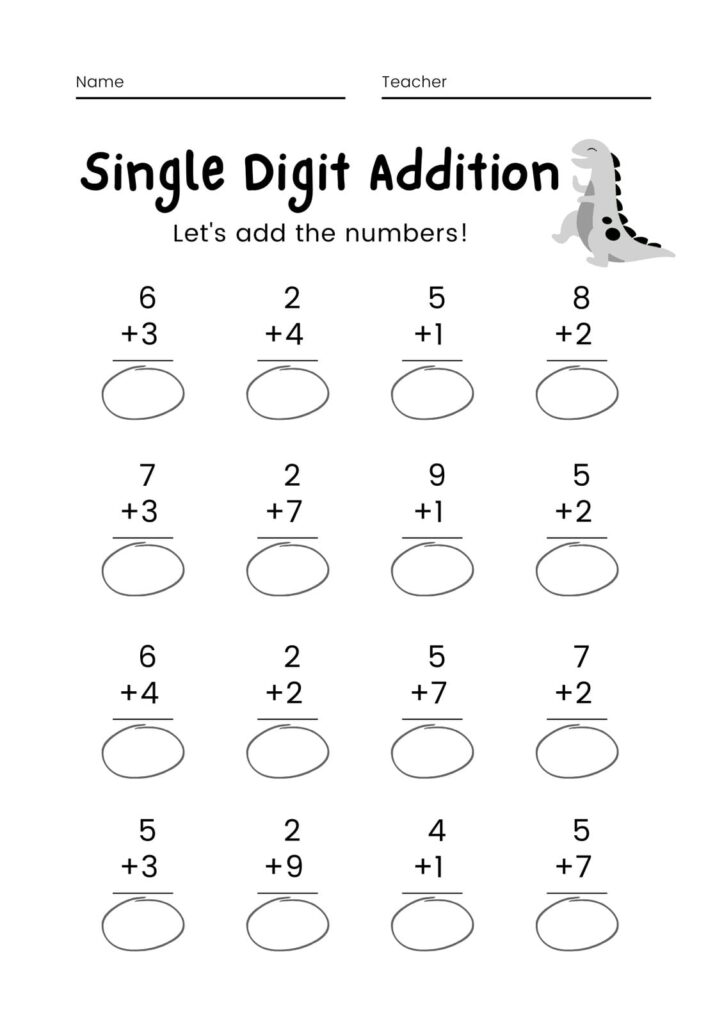
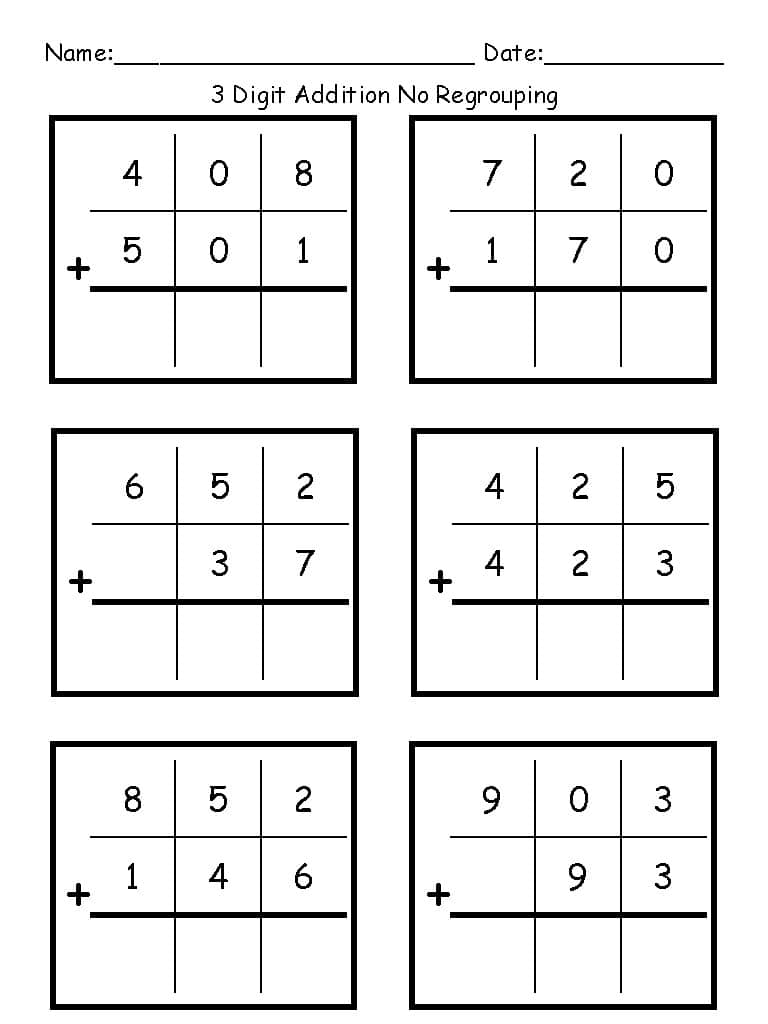
Format for Use
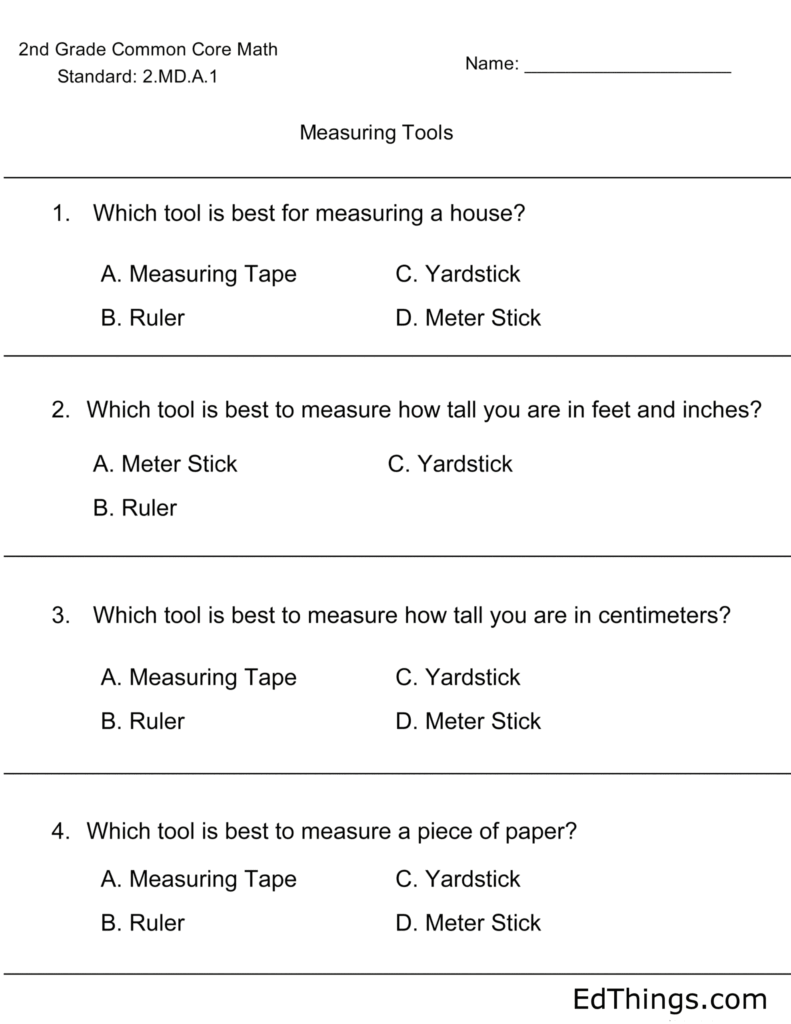
Choose the number of problems based on how much practice you want on one page. A short set is easier for younger students, while a longer sheet gives more repetition for review. Use vertical layout for column addition and horizontal layout for simple fact practice. Leave enough space between items so answers fit neatly. If you want an answer key, place it on a separate page or section so checking is fast and orderly.
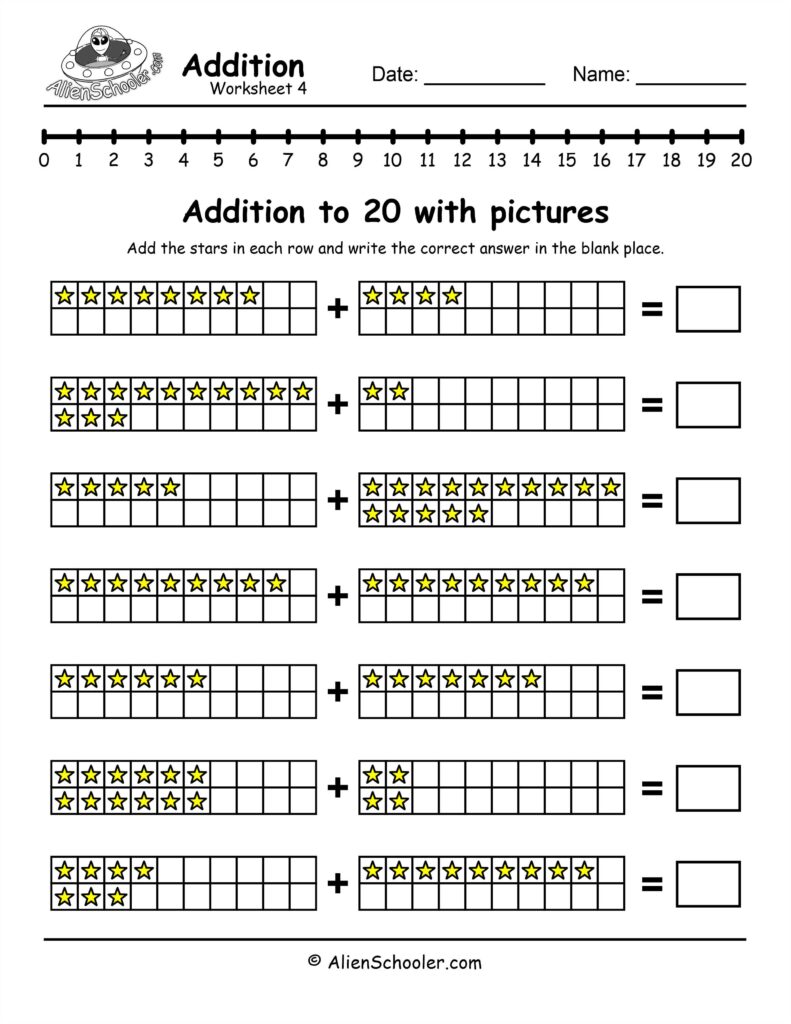
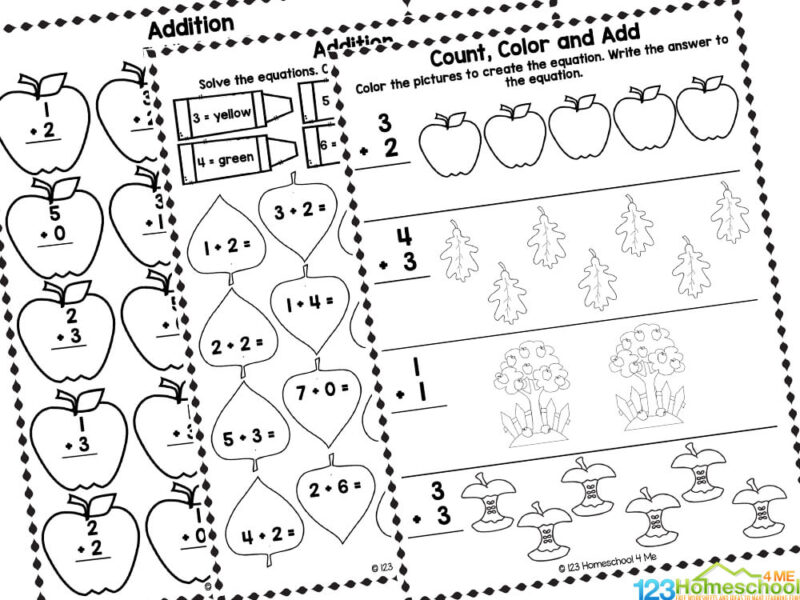
Before you finish, scan each problem for clarity and age fit. Make sure the numbers are large enough, the spacing is consistent, and no problem has a mistaken sum. Check that the page does not mix skills unless that was intentional. If the worksheet is for independent work, the directions should be simple enough that a learner can start right away. A quick review for accuracy and readability turns a basic page into a useful practice tool.