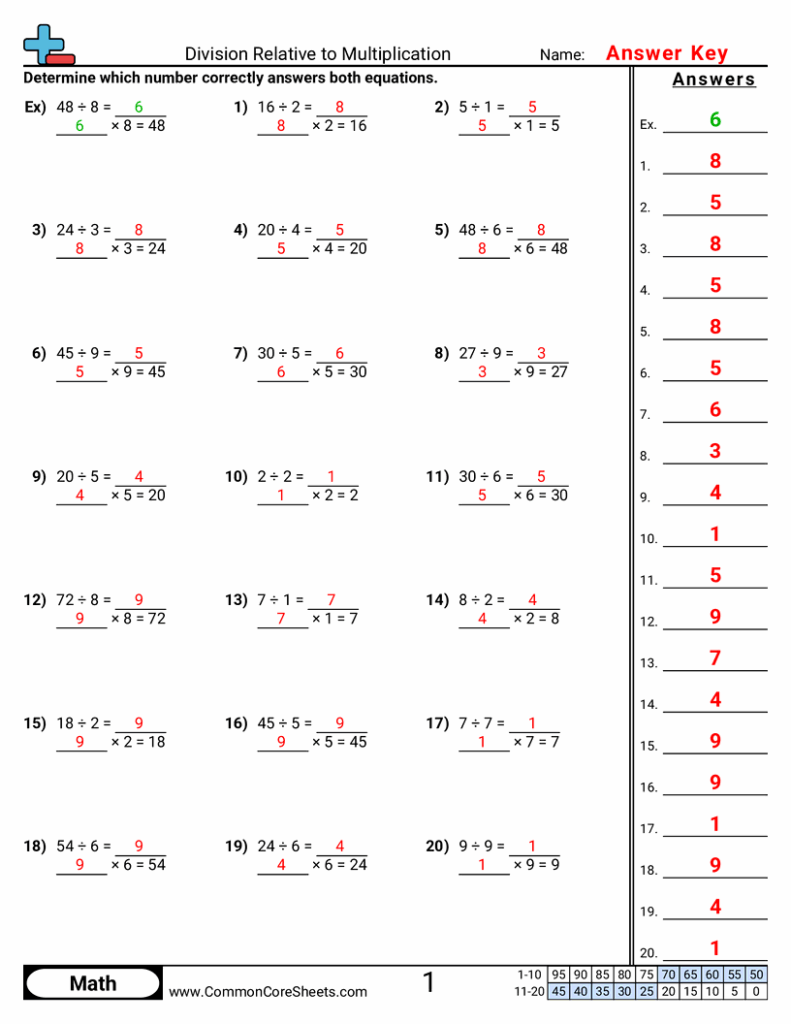
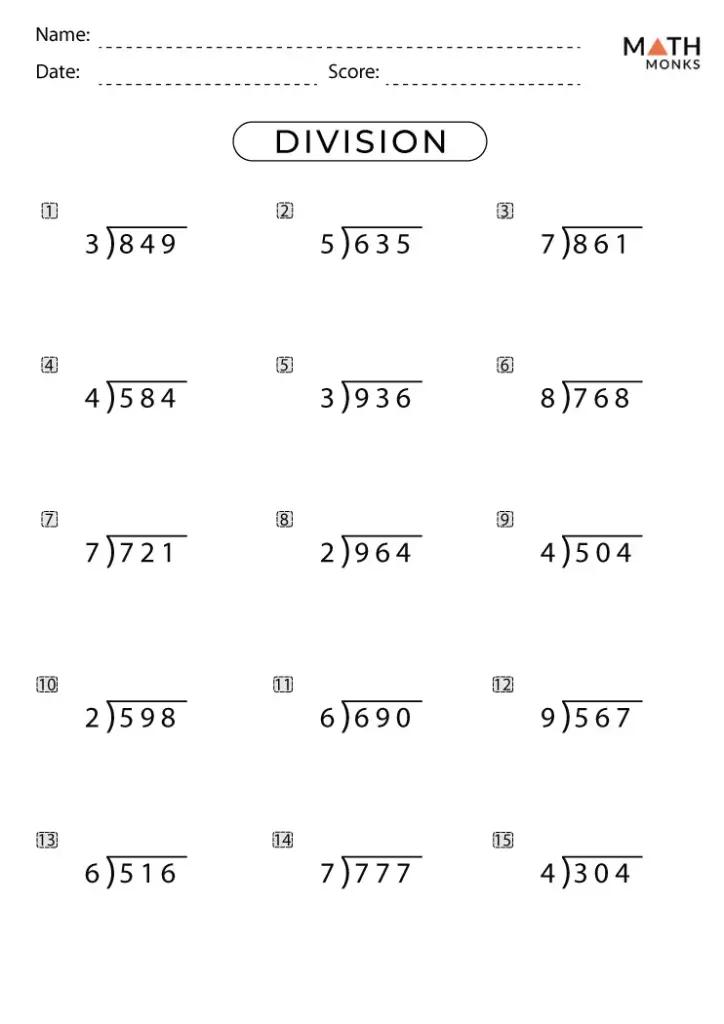
Division fluency worksheets help learners move beyond guessing and toward accurate, efficient division facts. The best ones do more than ask for answers: they support recall, strategy use, and steady progress from simple facts to more complex problems. When used well, these worksheets make it easier to spot what a student knows, what still feels slow, and which division skills need more practice.
What Fluency Looks Like
In worksheet terms, division fluency means solving problems correctly and with enough speed that the student can focus on the math instead of counting every time. It includes knowing basic facts, using related multiplication facts, and recognizing fact families. Good worksheets may present one fact in different forms, such as 24 ÷ 6, 24 ÷ ? = 4, or the related multiplication sentence. This helps students build automaticity while still thinking about relationships between numbers.
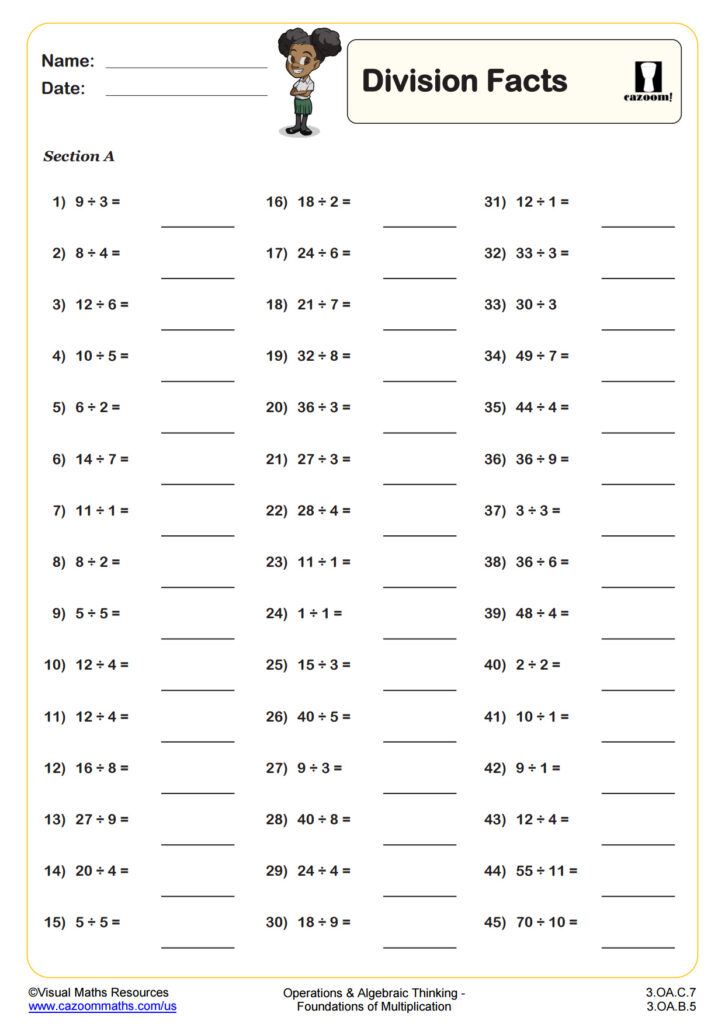
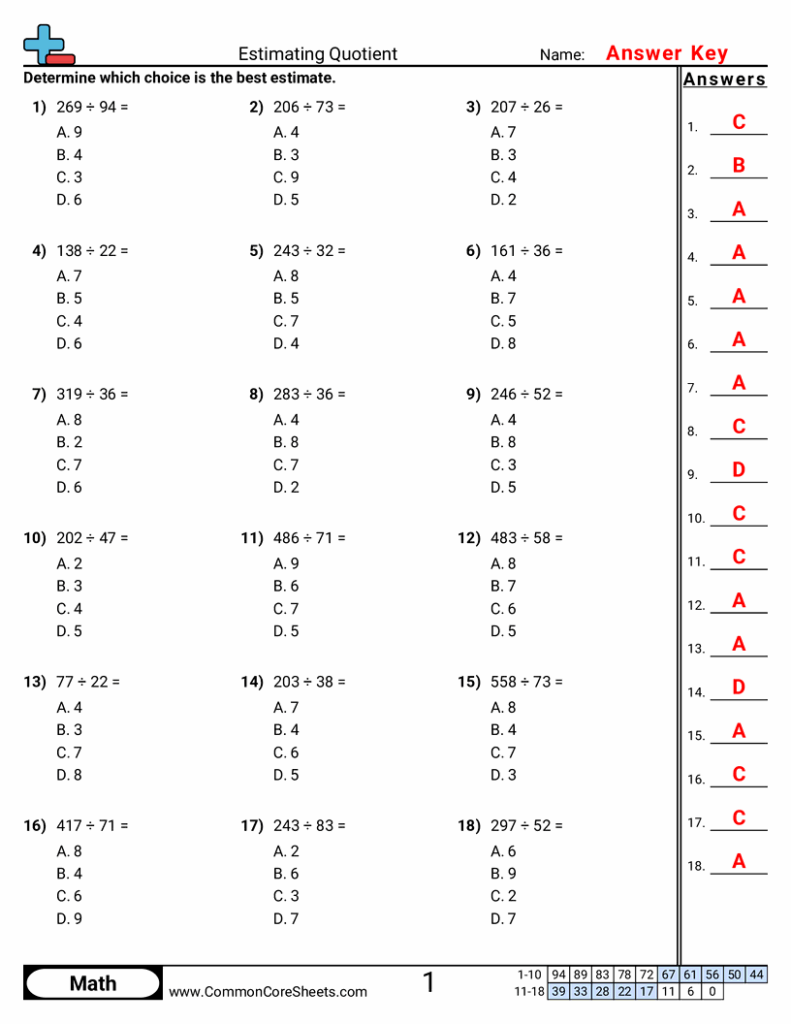
The most useful division fluency worksheets include four features: direct fact practice, strategy support, mixed review, and a clear progression in difficulty. Fact practice gives repeated exposure to a small set of facts. Strategy support might include arrays, number bonds, or multiplication connections. Mixed review checks whether skills hold up across several fact sets. Level-appropriate progression matters because a learner who is ready for basic quotients may not yet be ready for remainders or multi-step problems.
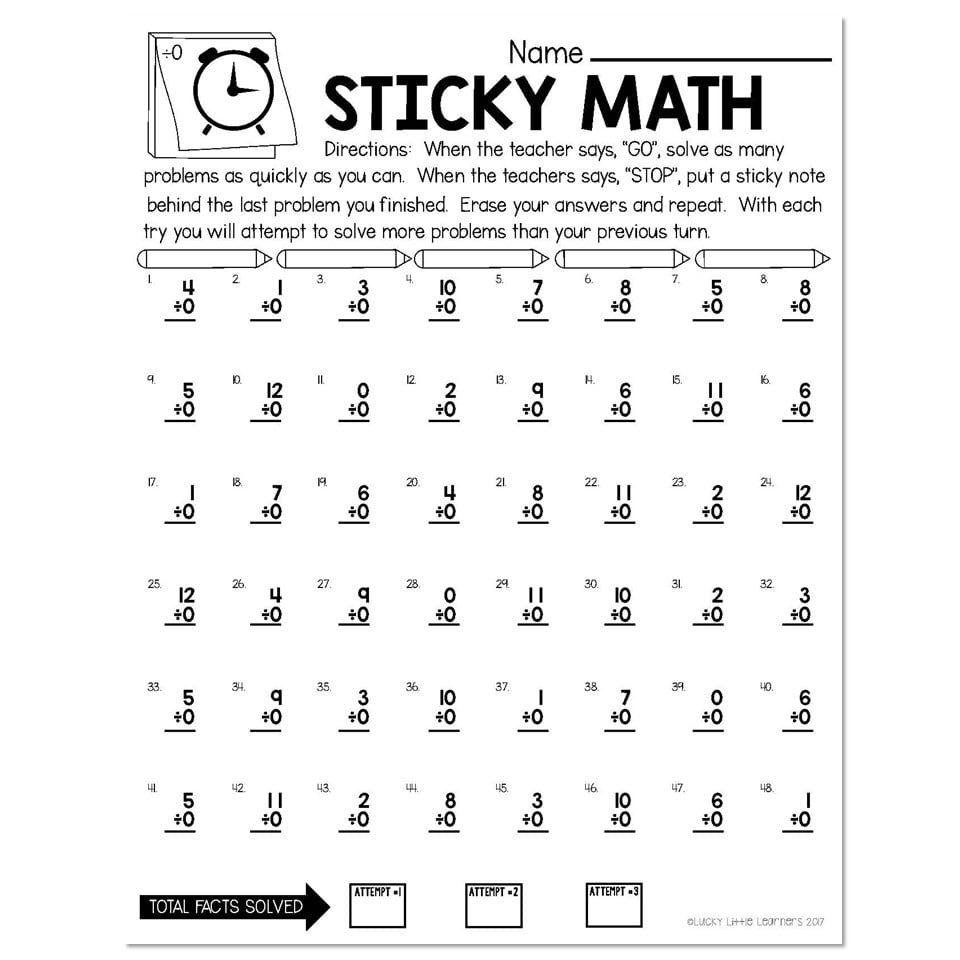
Choosing the Right Level
Match the worksheet to the learner’s current division range, not to the highest topic they have seen. For early fluency, start with fact families and simple quotients that connect to known multiplication facts. Once those are secure, move to basic division facts with one-digit divisors. If a student is ready, add remainders, then word problems or multi-step practice. A worksheet that is too easy builds speed but not growth; one that is too hard can turn fluency work into slow problem solving.
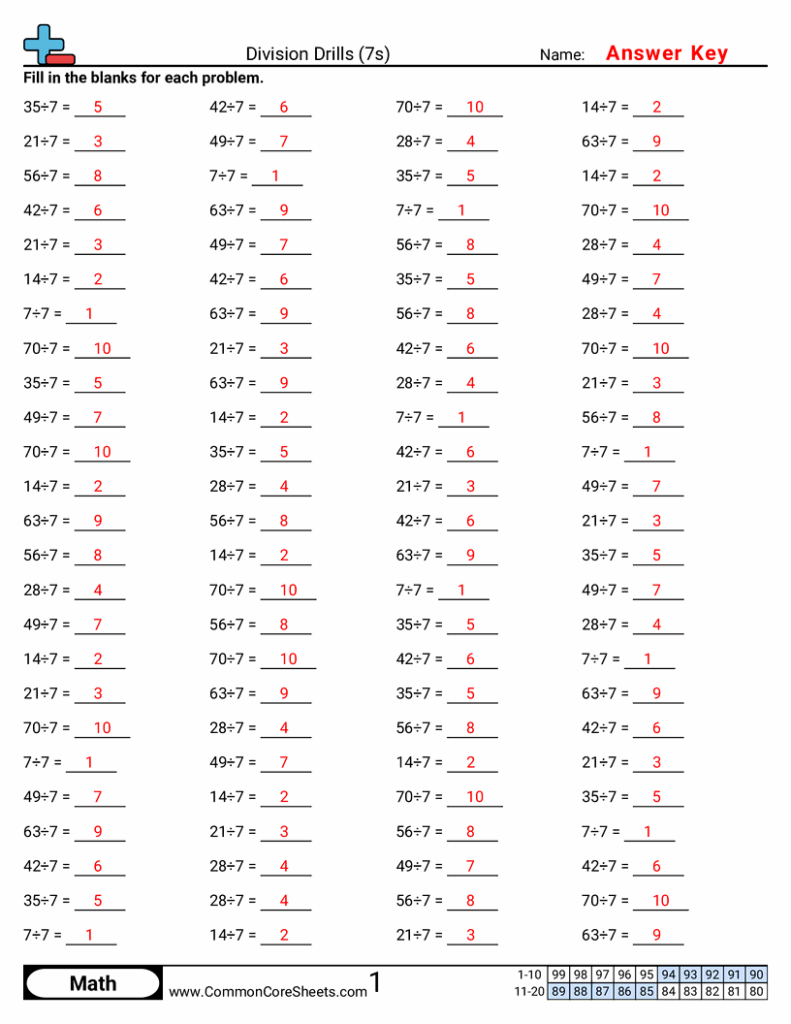
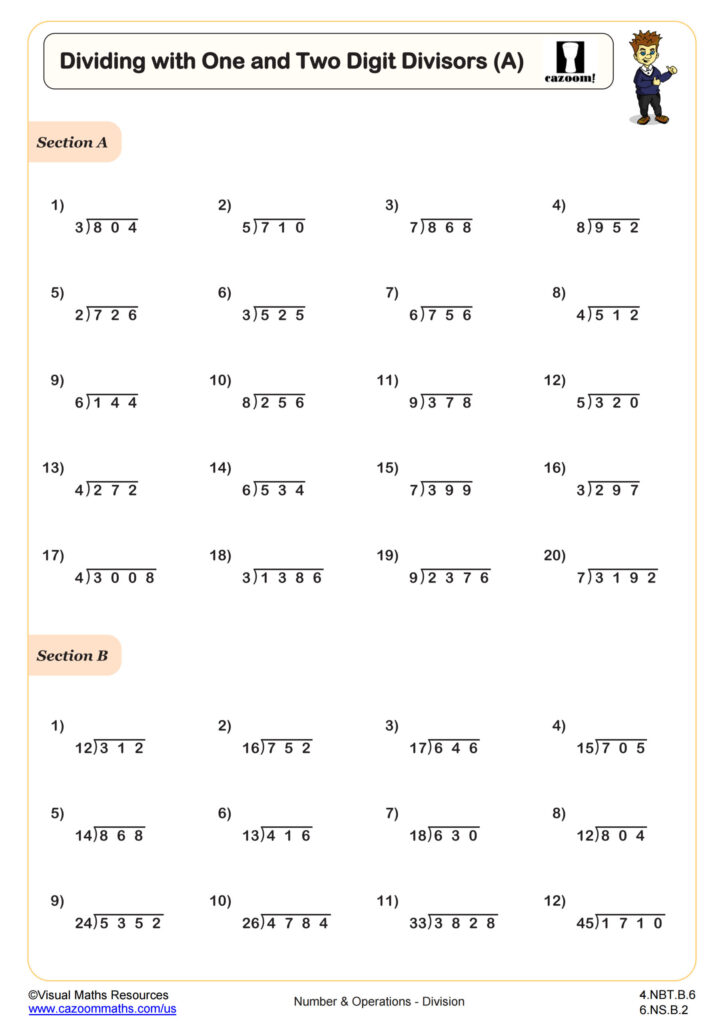
A quick way to choose well is to look at the errors. Hesitation on a small group of facts suggests targeted practice with those facts only. Frequent confusion about remainders calls for worksheets that isolate that skill. If the student solves single facts well but struggles when they are mixed, use mixed review pages more often. The best division fluency worksheets fit the learner’s current stage and nudge them one step further, so practice stays focused, efficient, and useful.