
Preschool hand strengthening worksheets are simple fine-motor pages that help young children practice the small movements needed for early writing. The best ones use tracing, coloring, cutting, pinching, squeezing, and other easy hand tasks that feel playful, not demanding. They should match preschool attention spans and support control, strength, and coordination without requiring advanced writing skills.
What They Include
Practical preschool worksheets focus on actions that wake up the hands without overwhelming the child. Look for large lines to trace, thick outlines to color, simple cut-and-paste paths, dot markers, clothespin clips, and short pre-writing shapes like straight lines, curves, and circles. These activities build finger control while keeping the task clear and manageable. Because the goal is hand strength, the worksheet should invite repeated practice through light, purposeful movement rather than long written responses.
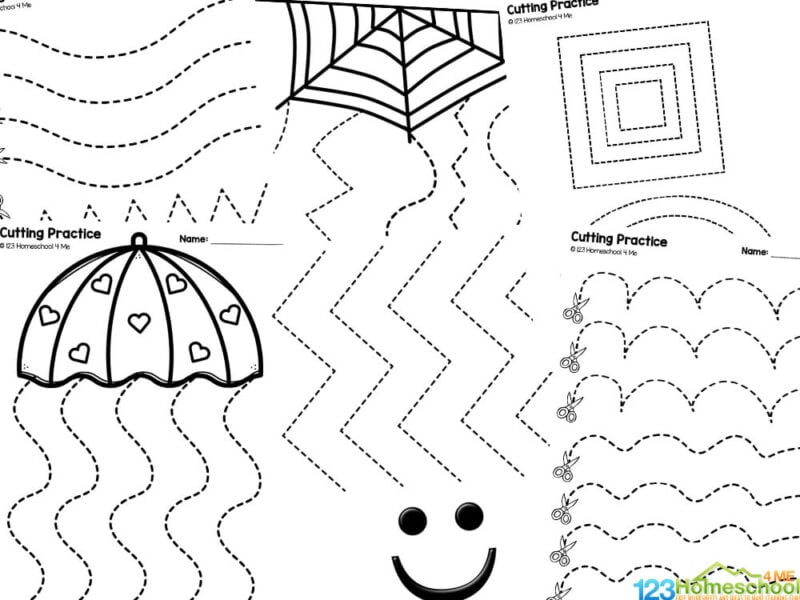
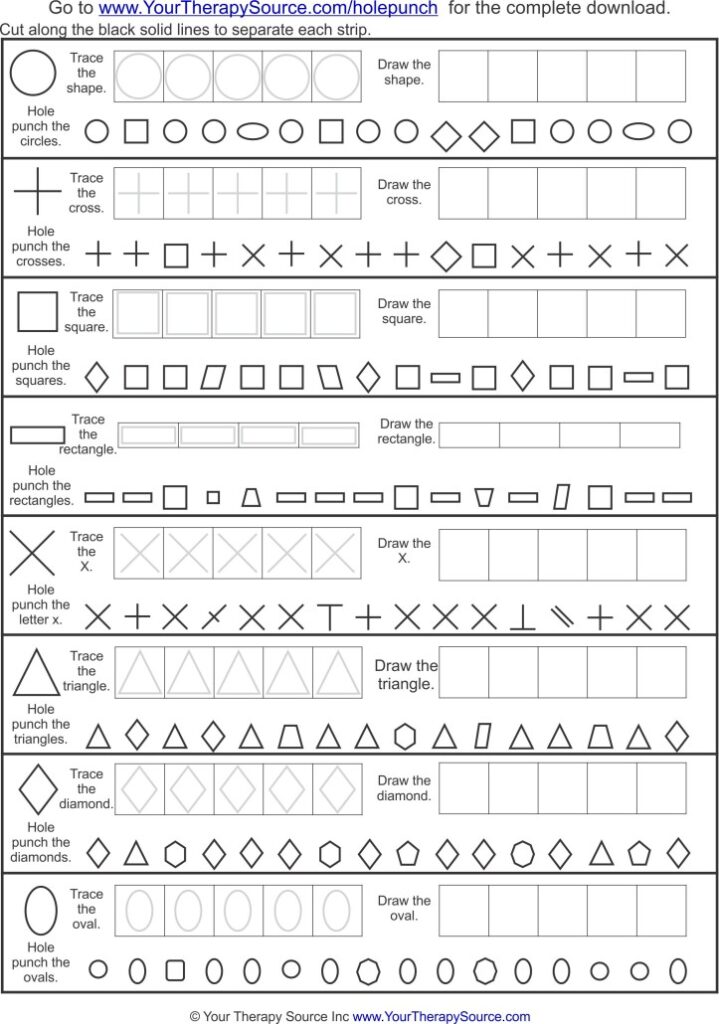
Age-appropriate worksheets also reduce frustration. Short directions, uncluttered pages, and one skill at a time help preschoolers stay engaged. Large pictures and wide spaces make it easier to hold crayons, pencils, or child-safe scissors correctly. Low-pressure practice matters too: children should be able to complete the page with gentle coloring, simple tracing, or small squeezes instead of heavy writing force. When a worksheet feels accessible, it gives children more chances to build stamina and confidence.
Skills They Build
These worksheets support the foundational skills children need before formal handwriting. Repeated tracing and coloring can improve pencil grasp and help children learn to control how much pressure they use. Cutting, folding, pinching, and clipping strengthen the fingers and hands, which supports endurance during longer school tasks. Many worksheets also encourage bilateral coordination, since one hand may hold the paper while the other traces, cuts, or colors. That teamwork is important for everyday classroom readiness.
A useful preschool hand strengthening worksheet is simple, clear, and fun to finish. It should ask for small, successful movements and leave plenty of room for children to practice without advanced reading or writing demands. The best choice is not the most complicated page, but the one that helps a preschooler keep trying, use both hands well, and build the hand control needed for early writing. If a worksheet does that, it is doing its job well.



