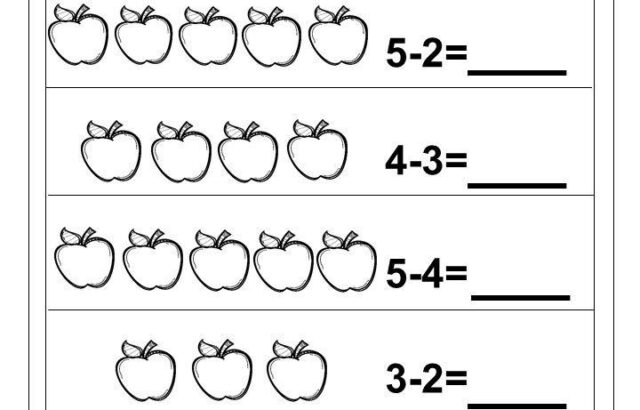
Kindergarten free printable worksheets alphabet pages are most useful when they match early learning needs: simple letter recognition, basic tracing, and short handwriting practice. The best worksheets keep instructions clear and the layout uncluttered so young children can focus on one letter at a time. Whether you are printing for home or classroom use, look for pages that feel easy to start and easy to finish.
Best Worksheet Types
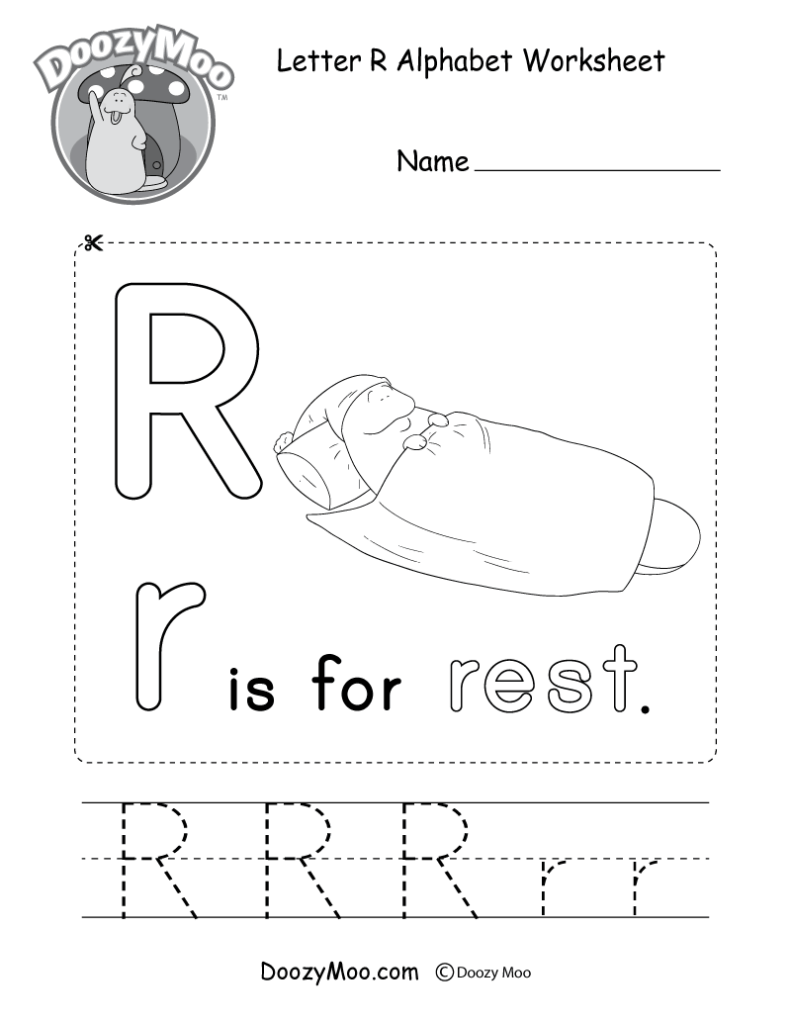
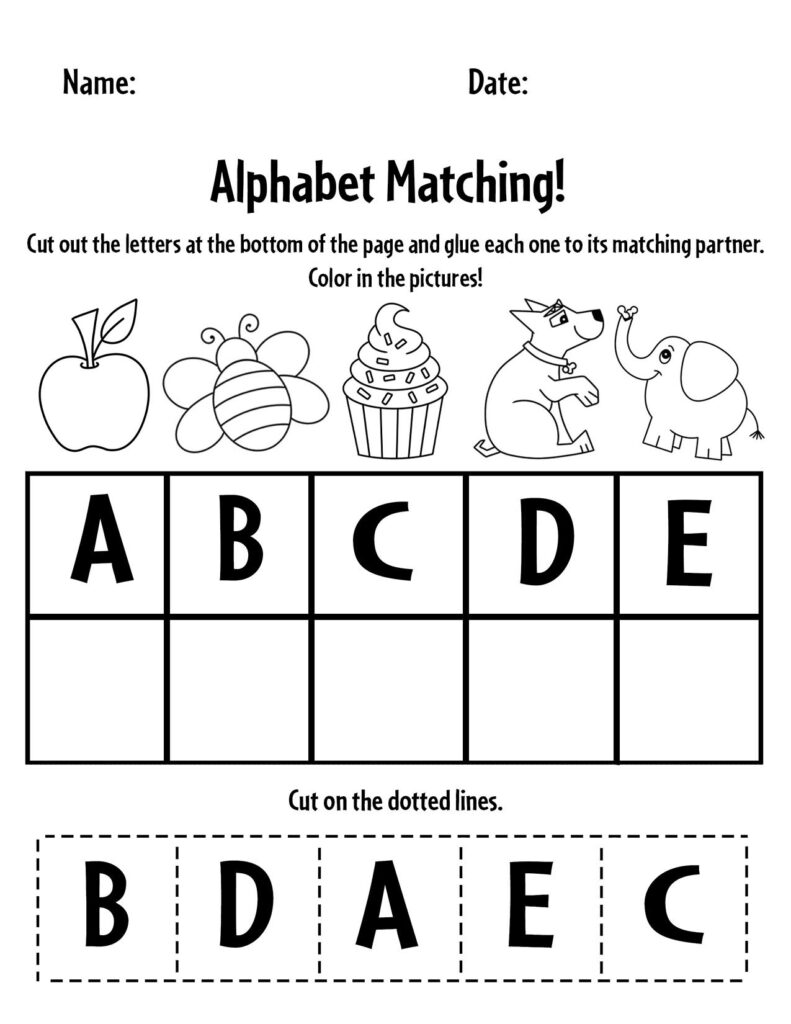
For kindergarten, the most helpful alphabet worksheets usually fall into three groups. Letter recognition pages ask children to match, circle, or color a target letter, which builds visual familiarity without too much writing. Tracing pages give guided practice with dotted uppercase and lowercase letters. Simple handwriting pages go one step further by offering space to copy a letter on their own. These formats work well because they move from seeing, to tracing, to writing with less frustration.
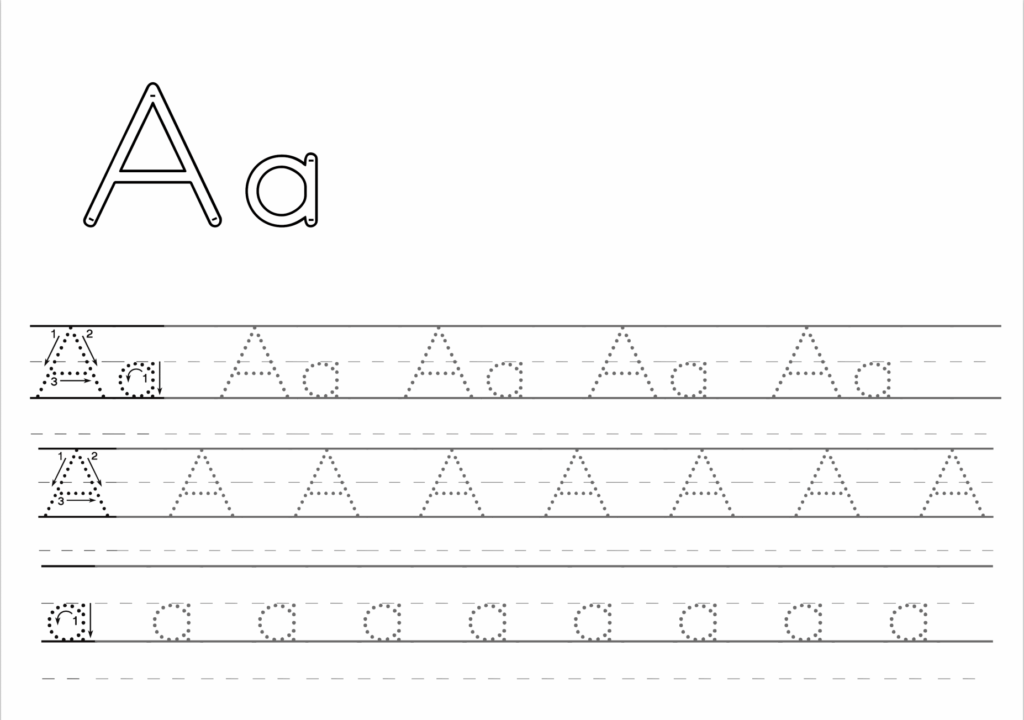
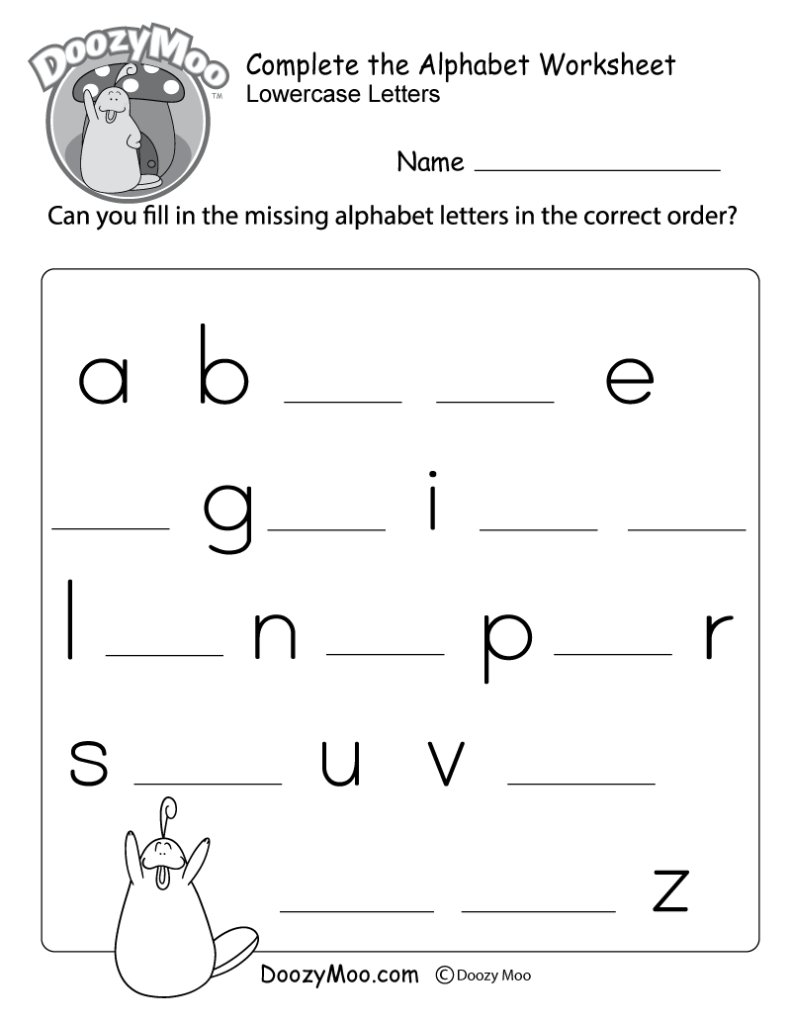
Age-appropriate worksheets should be large, uncluttered, and easy to read. Big letter shapes help children notice the form of each letter without crowding. Clear fonts matter because young learners need to see proper letter structure, not decorative styling. Minimal distractions are also important; too many pictures or extra tasks can pull attention away from the letter itself. A good page usually focuses on one letter or a small set, with enough white space to keep the work manageable.
Using Printables Well
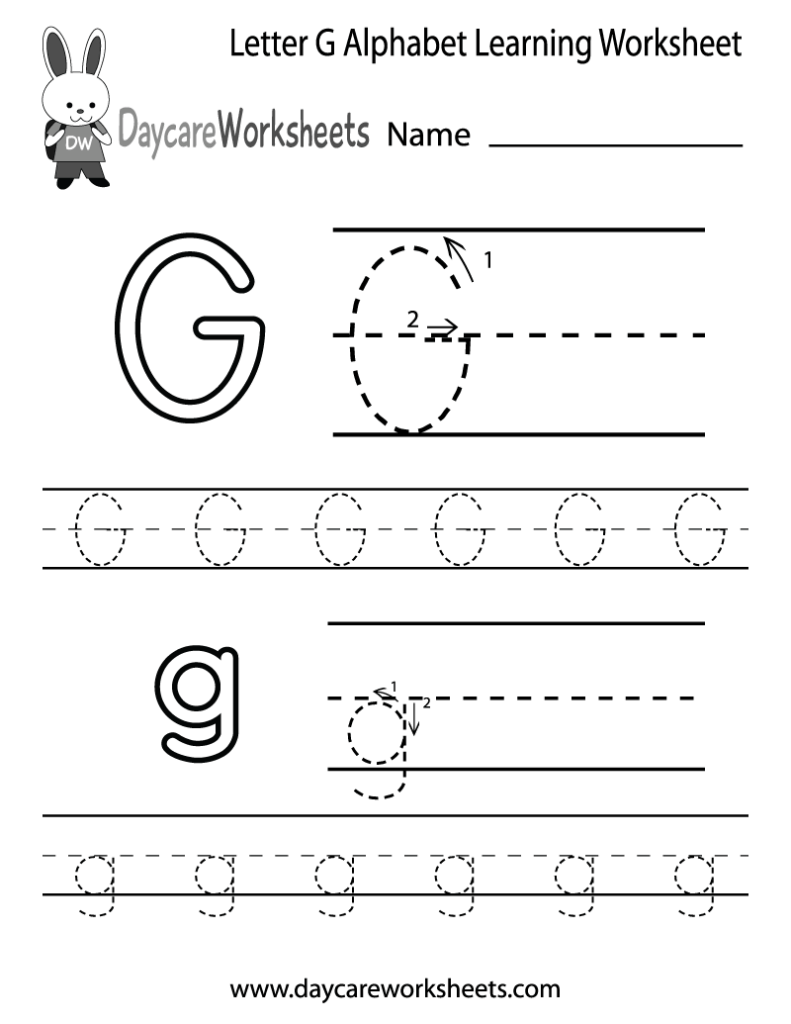
Printable format matters because kindergarten activities need to be quick to prepare and simple to repeat. A good worksheet should print cleanly on standard paper, with lines and letters still easy to see after printing. At home, pages that need only crayons or a pencil are easiest to use. In class, worksheets that can be copied in sets or used as morning work save time. Check whether the page uses uppercase, lowercase, or both so it fits the child’s current practice level.
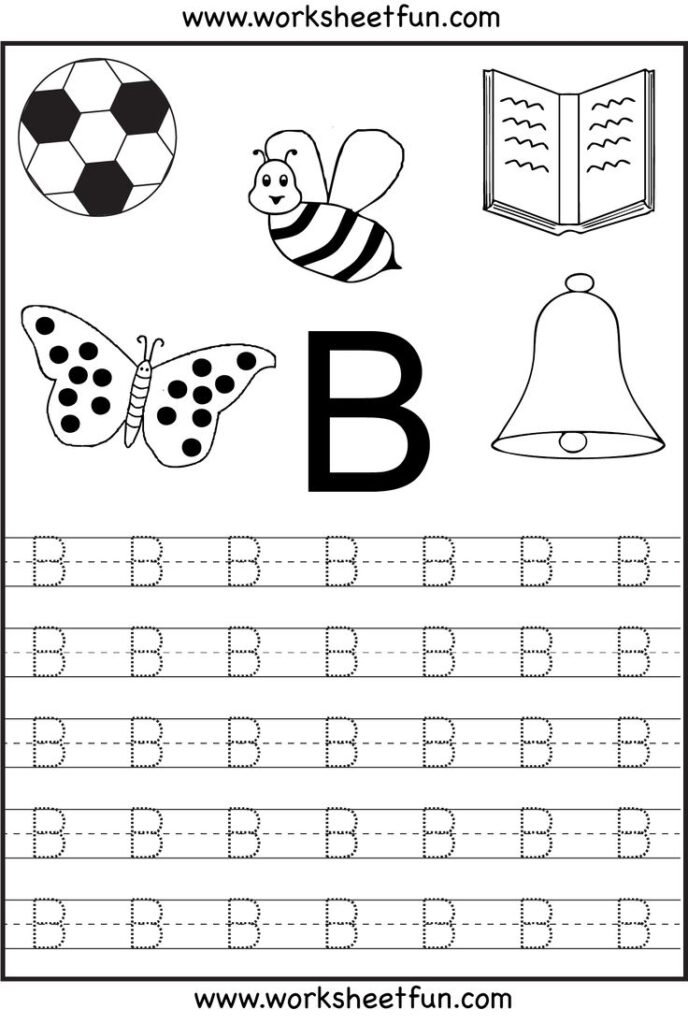
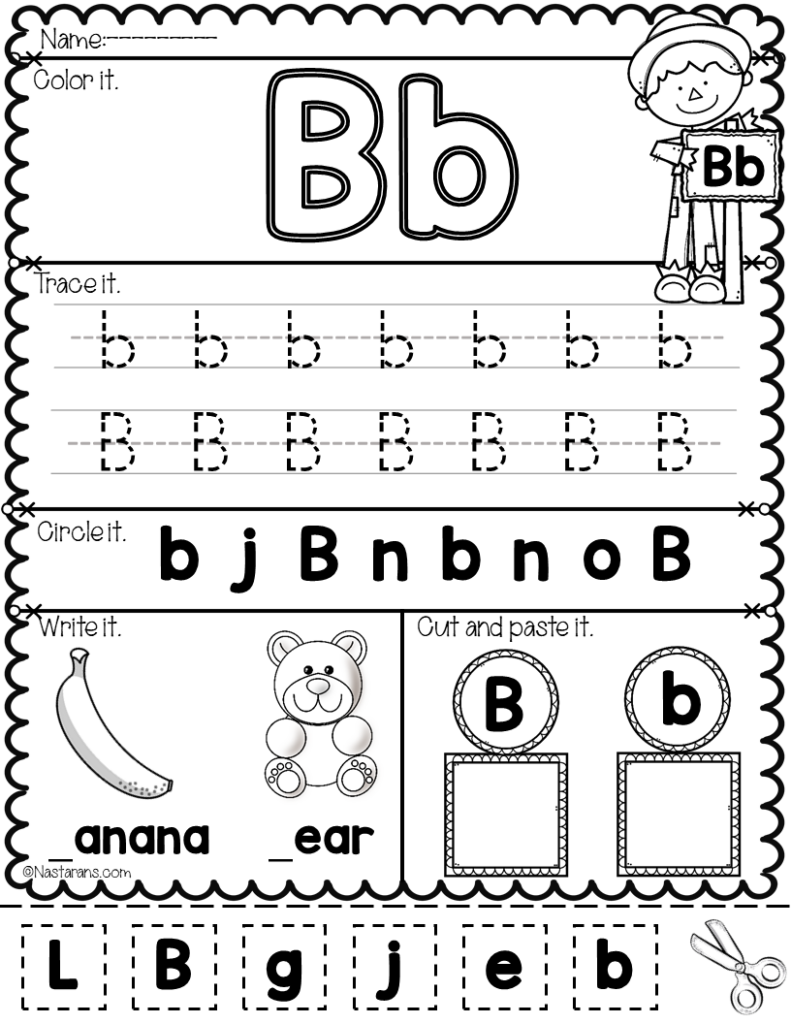
When choosing between alphabet printables, start with the child’s current comfort level. If a learner is just beginning, letter recognition and tracing are usually better than full independent writing. If the child already knows several letters, mix in both uppercase and lowercase practice to strengthen recognition. The best worksheet is one that feels clear, short, and repeatable. Used regularly, these pages can support steady early handwriting practice without overwhelming young learners.