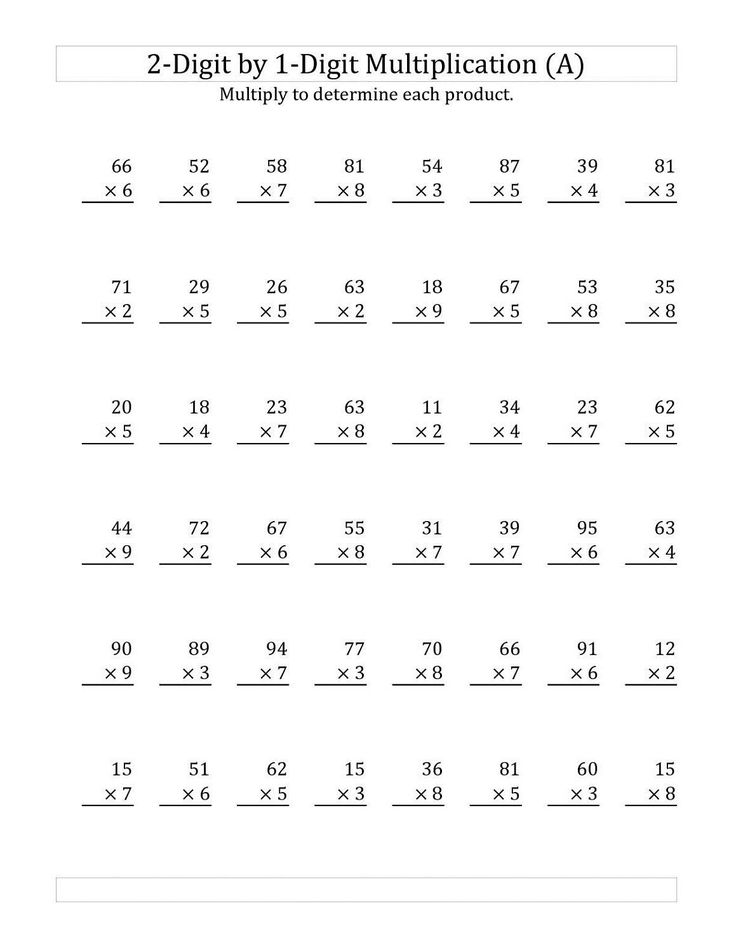
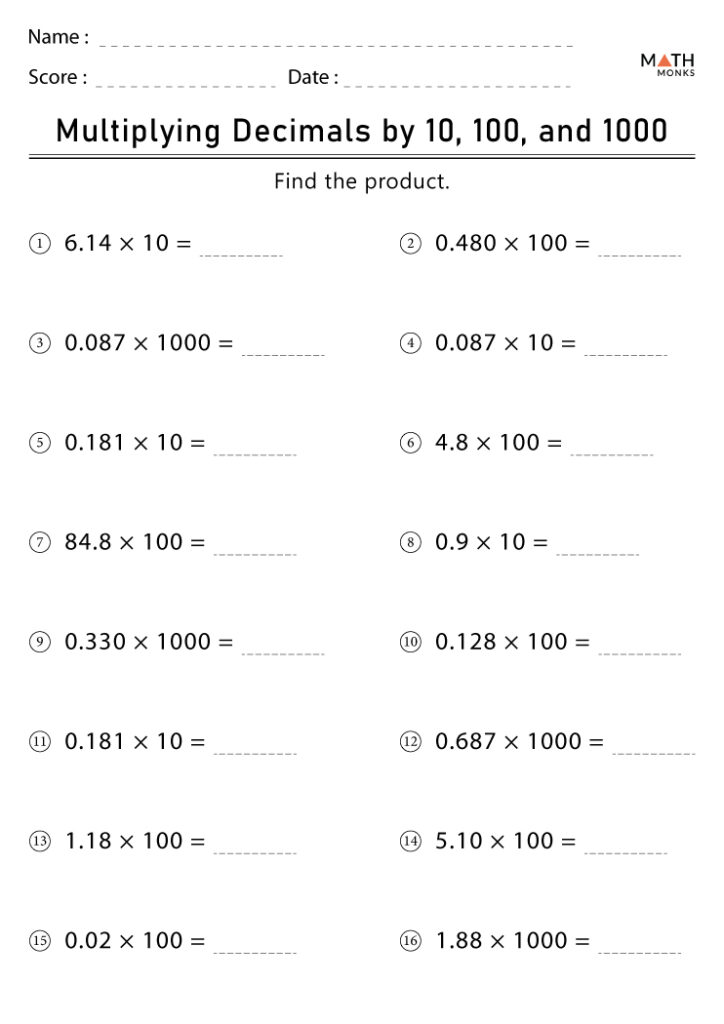
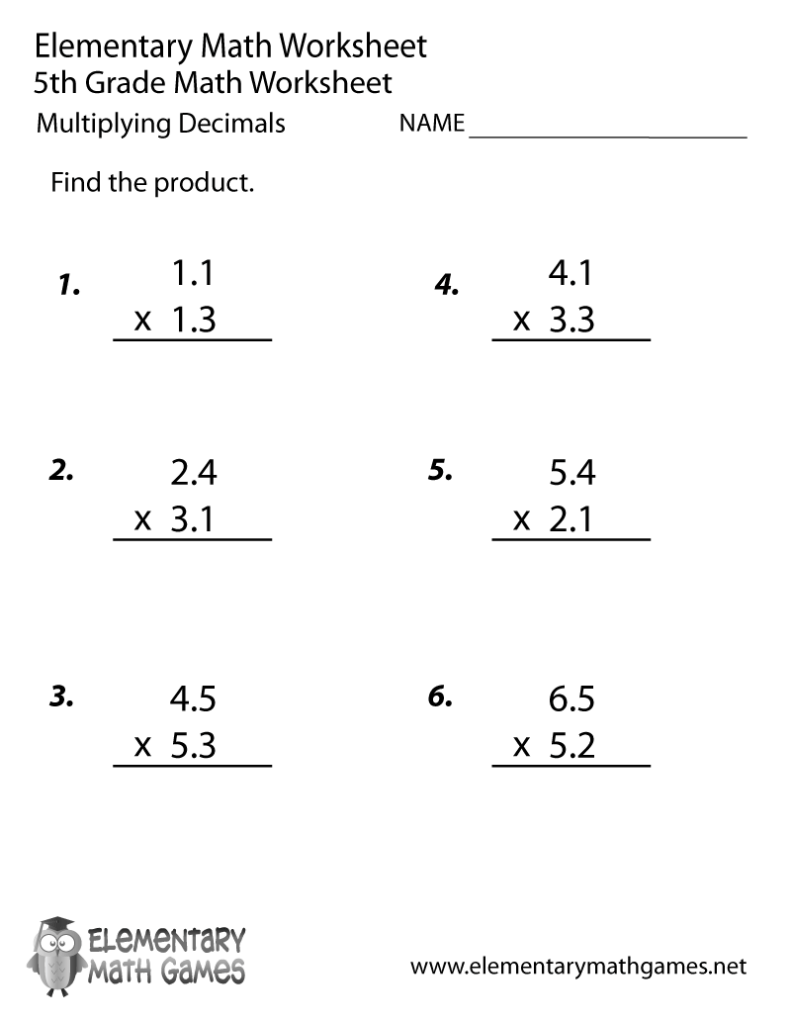
5th multiplication worksheets usually refer to practice pages for the 5 times table, or multiplying by 5. The best ones make the pattern easy to see, with clear problems, enough space for answers, and a level that matches the learner. Whether the goal is first practice or quick review, a good worksheet should build confidence with repeated 5s facts before moving into mixed practice.
What Good Practice Looks Like
Start with simple repeated 5s facts such as 5 × 1, 5 × 2, and 5 × 3, then expand to the full set through 5 × 12 if needed. Beginner-friendly worksheets often keep the layout uncluttered and focus on one number range at a time. For younger learners, answer spaces should be large and instructions should be short. The best early practice pages make the counting pattern visible without adding extra distraction.
Choose the Right Level
After the basics are in place, look for mixed 5s fact practice. This helps learners move from isolated facts to random review, which is useful once the table is partly memorized. A strong worksheet may mix vertical and horizontal problems so the learner reads each fact in different ways. If the resource is meant for fluency, missing-number items can also help, such as 5 × __ = 20, because they check recall instead of simple counting.
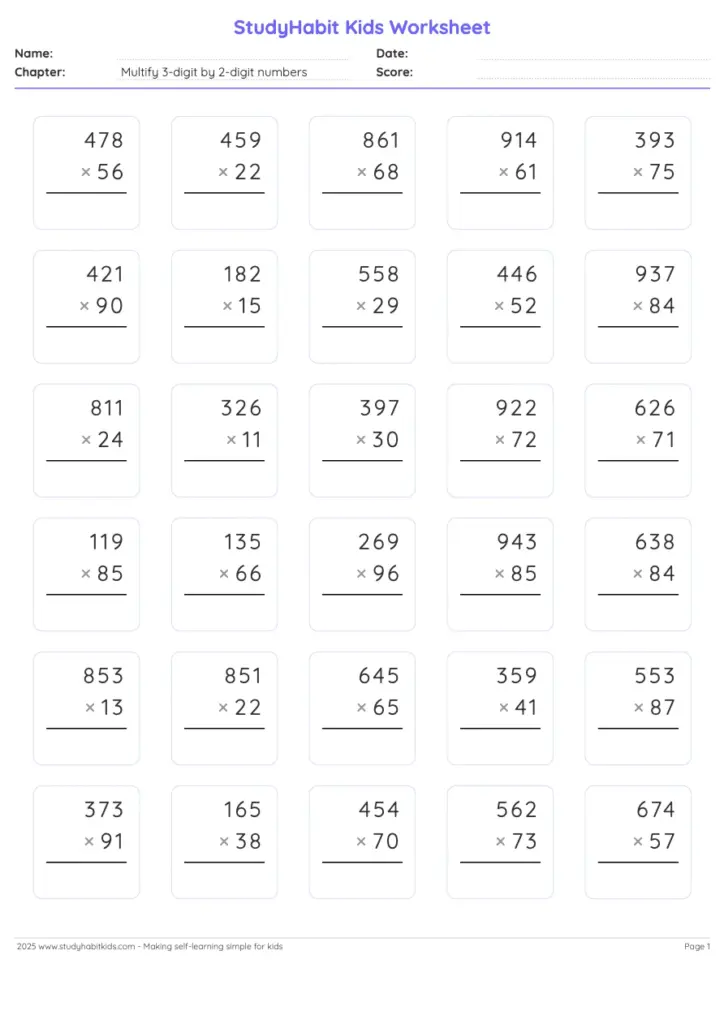
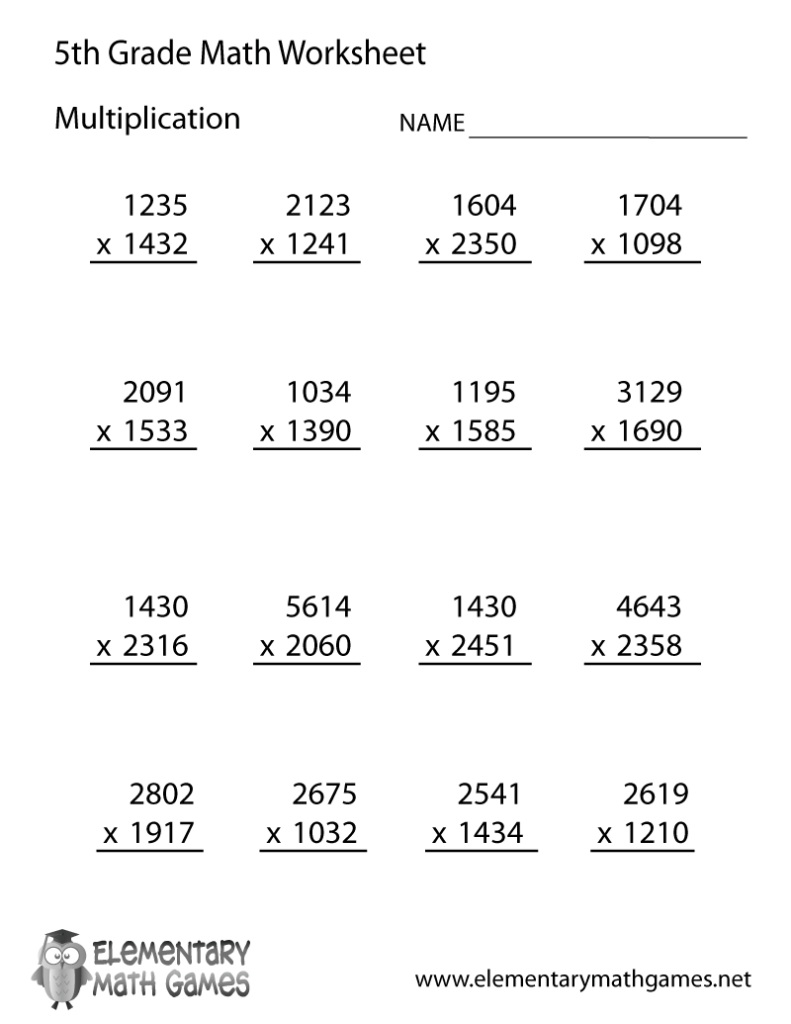
The right worksheet depends on grade or skill level, the number range included, and whether the page is meant for introduction or review. Early elementary learners usually need smaller sets and a narrow range, while older students may benefit from a full 5s table with faster recall. A beginner-friendly page should teach the pattern gently. A review-focused worksheet can be more compact, include more items, and use less visual support once the facts are familiar.
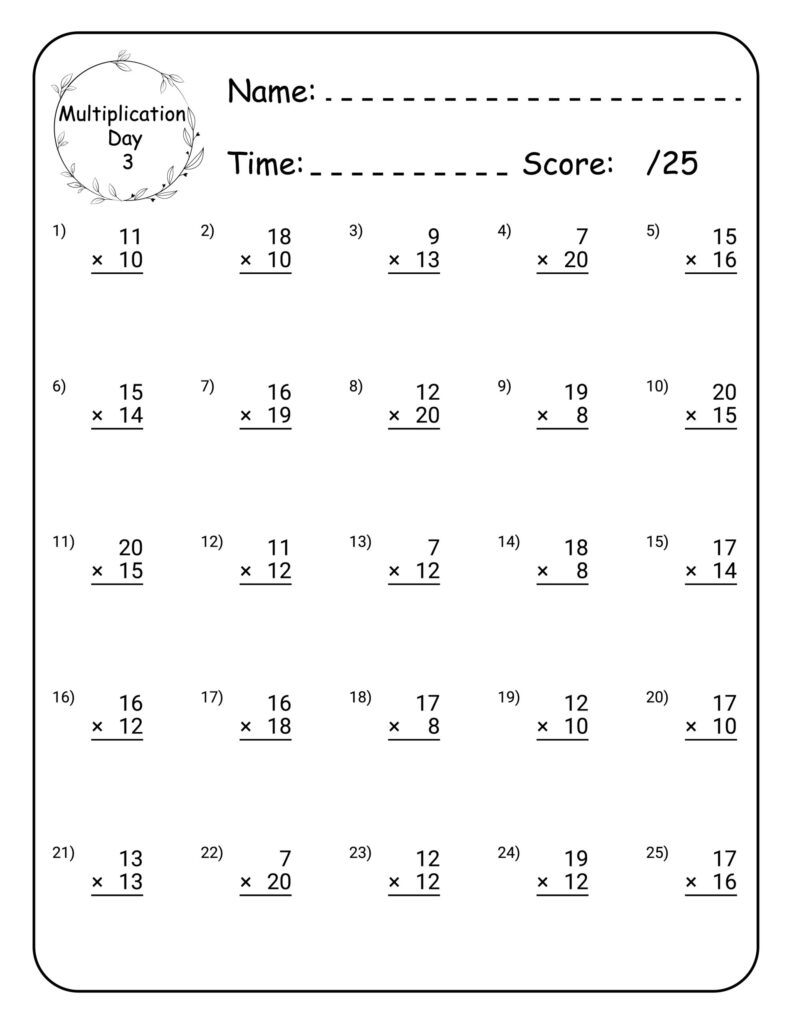
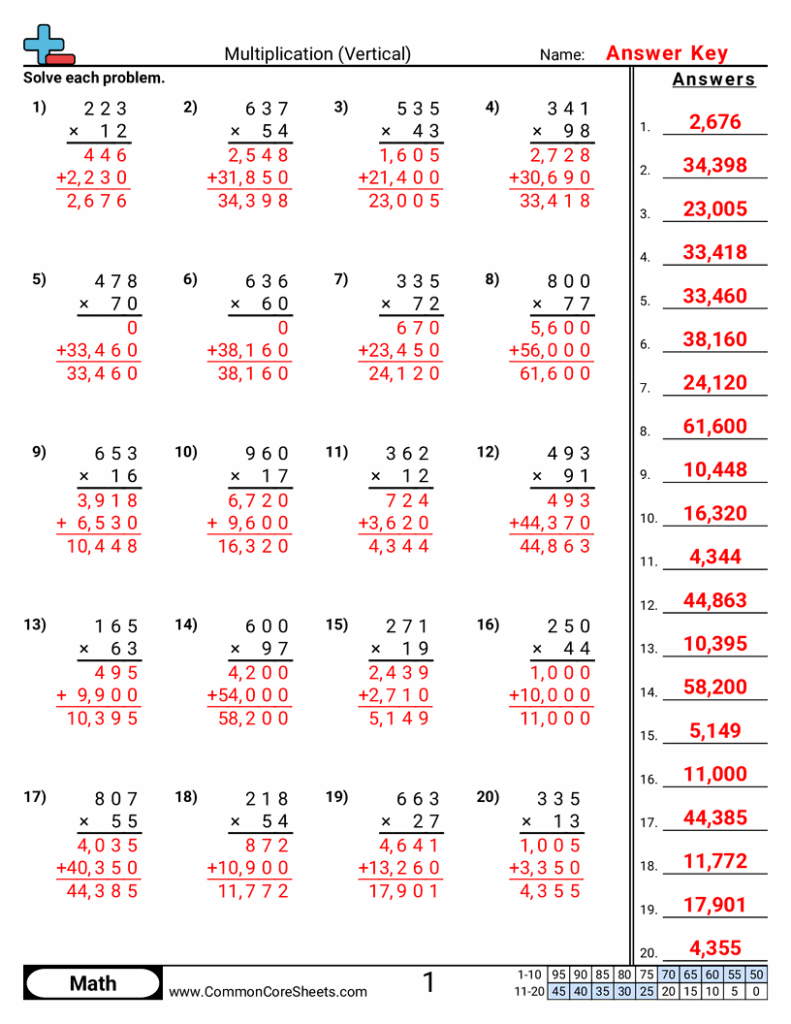
For fluency practice, timed worksheets can be helpful, but only when the learner already understands the 5 times table. Timed work should feel like reinforcement, not a first lesson. If a worksheet is mostly for skill building, untimed repetition is usually better. The best choice is the one that matches readiness: simple repeated 5s facts for starting out, mixed practice for review, and fluency formats for speed and confidence.