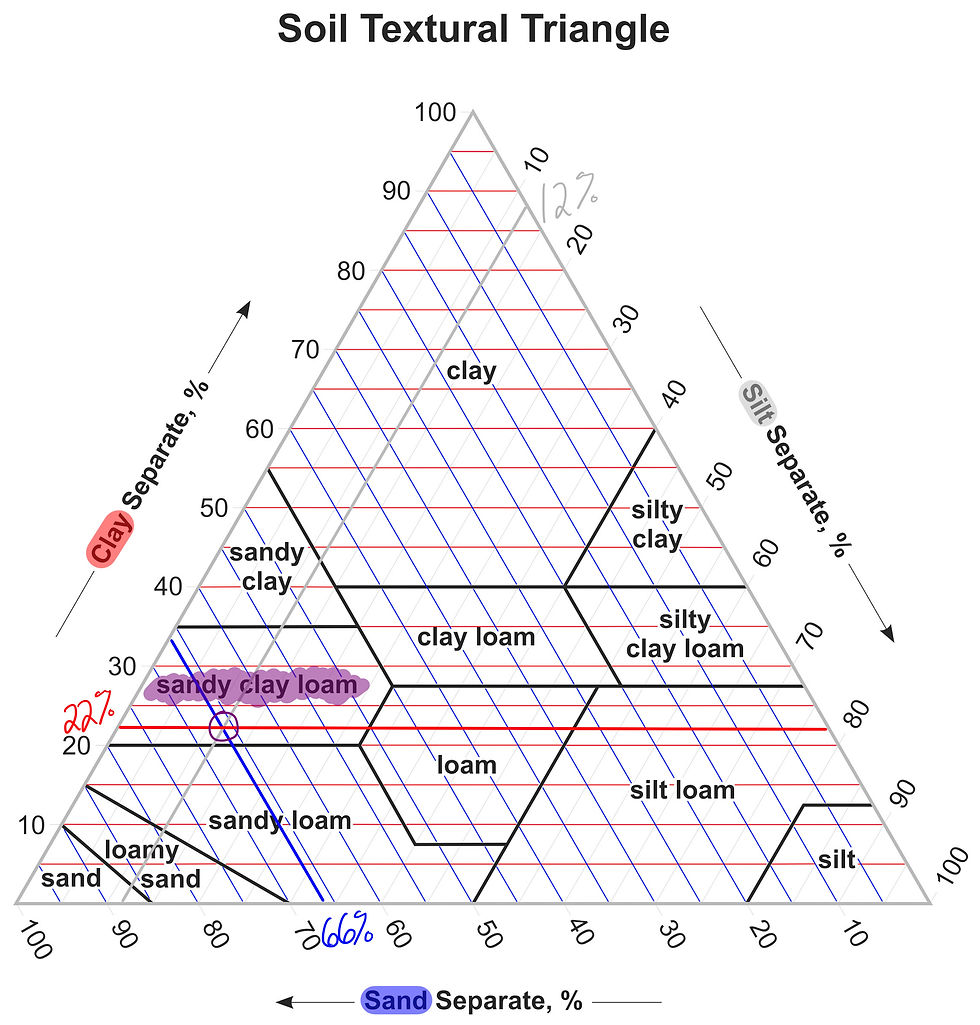
A soil texture worksheet answer key should help you match each sample to the correct texture label fast. The key point is to identify the dominant particles first: sand feels gritty, silt feels smooth or silky, and clay feels sticky and holds together. If a worksheet uses the soil texture triangle, the answer depends on the sand-silt-clay percentages, not just the feel of the sample.
Texture Labels to Use
The most common worksheet labels are sand, loamy sand, sandy loam, loam, silt loam, silt, sandy clay loam, clay loam, silty clay loam, sandy clay, silty clay, and clay. If the worksheet gives only basic categories, the answers usually collapse to sand, silt, or clay. Read the prompt carefully: some worksheets ask for the broad type, while others want the exact triangle label.
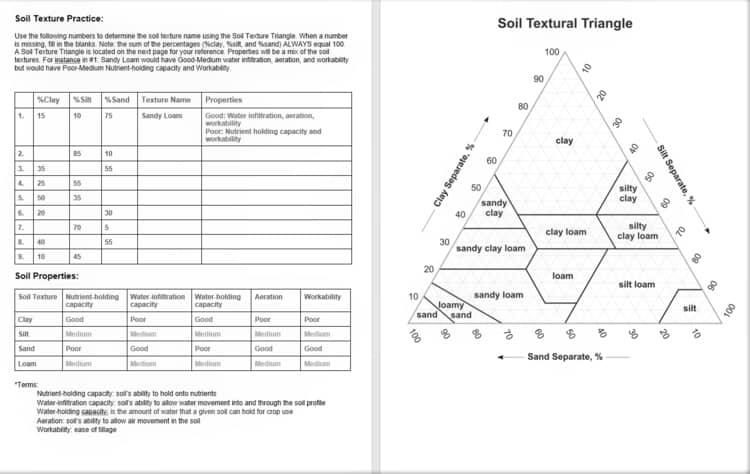
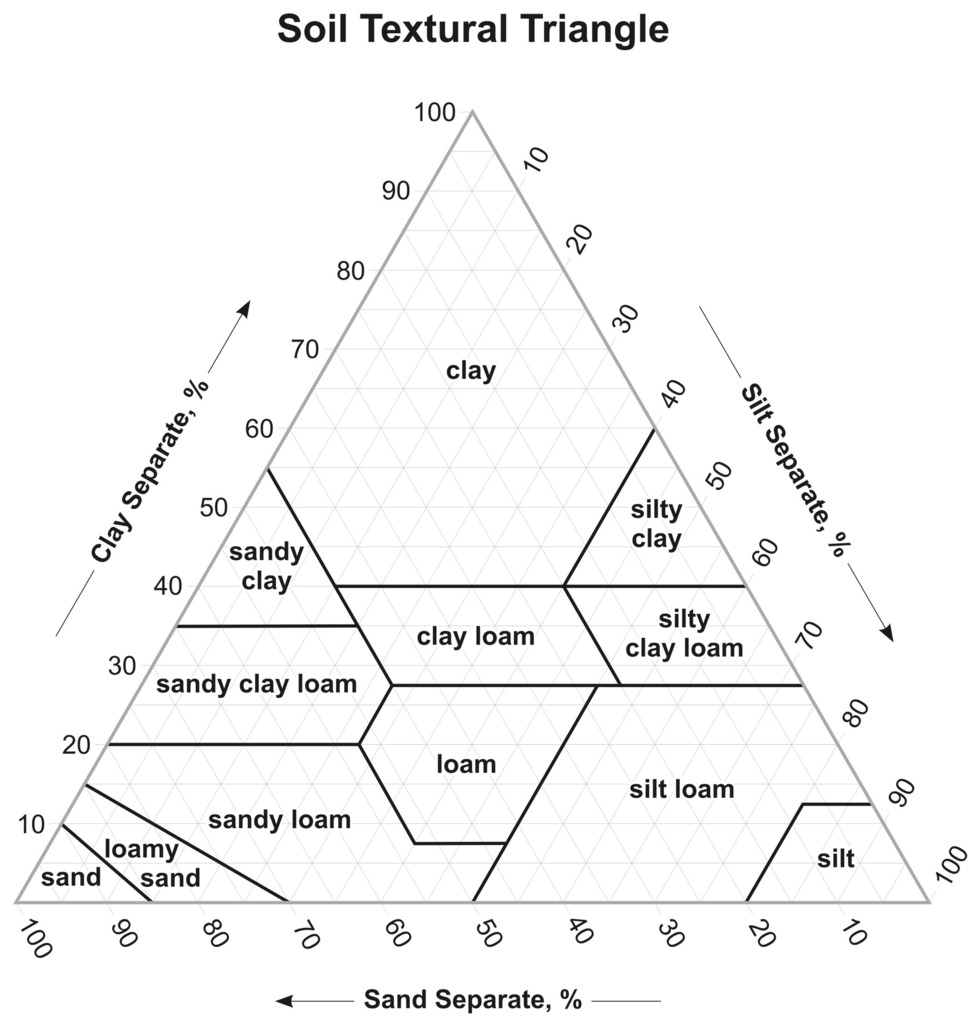
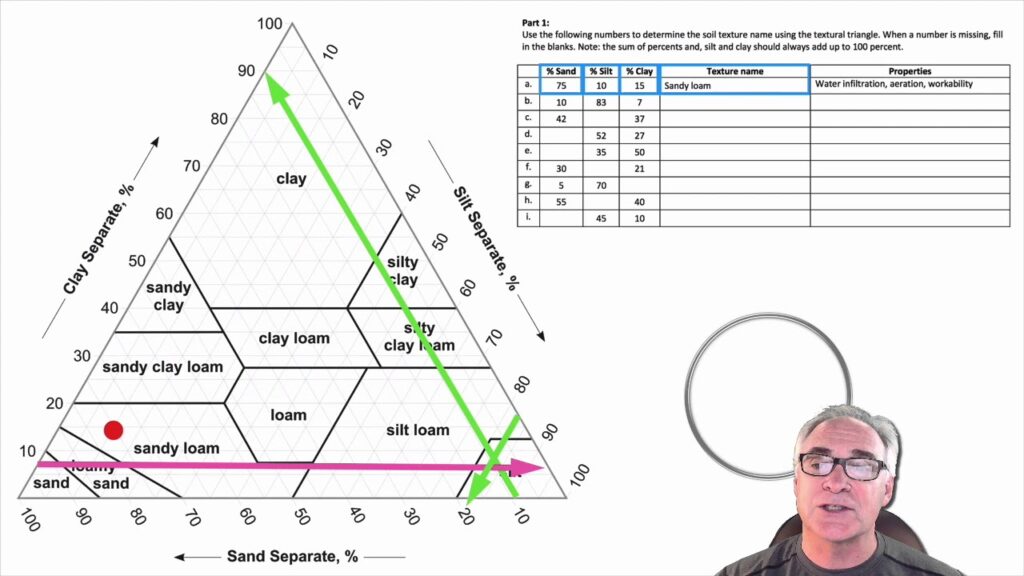
When checking answers, use the texture triangle by finding the percent of sand, silt, and clay, then tracing each value to where the three lines meet. If the sample has very high sand and low clay, it will land in a sandier class. If clay is highest, the answer moves toward clay, clay loam, or silty clay loam depending on the other two amounts.
How to Match Samples
For feel-based questions, a quick rule helps. Gritty and loose usually points to sand. Smooth, floury, and nonsticky usually points to silt. Sticky, plastic, and hard to crumble usually points to clay. Mixed-feel samples often become loam or one of the loam variants. If the worksheet gives a description like “holds shape but crumbles easily,” that usually matches loam rather than pure clay.
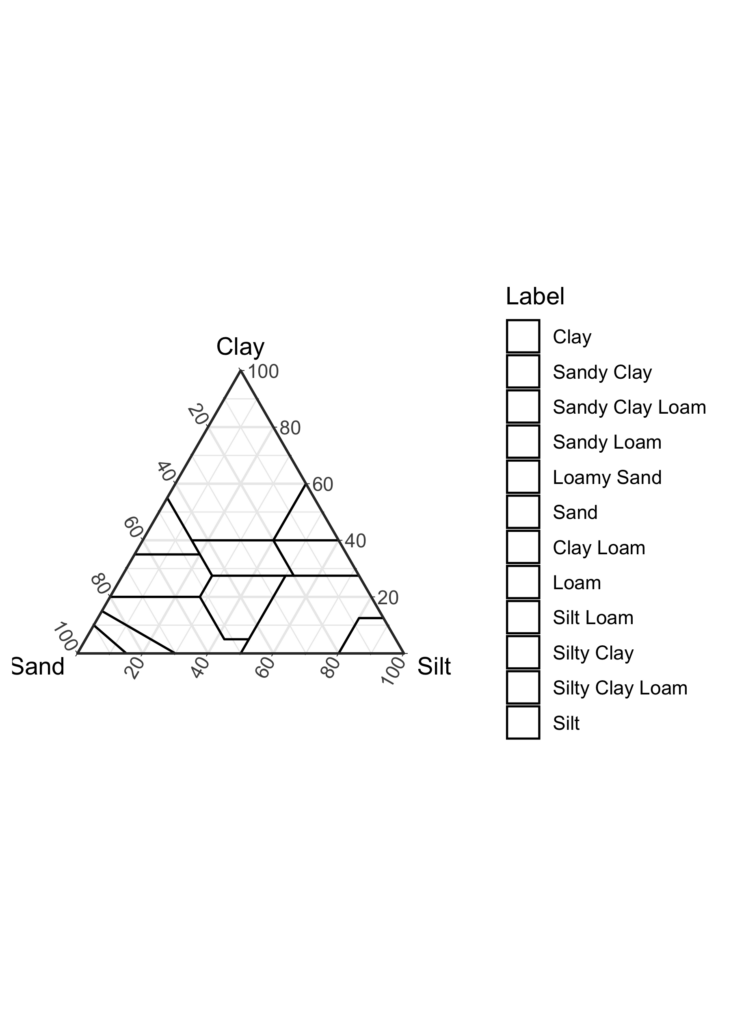
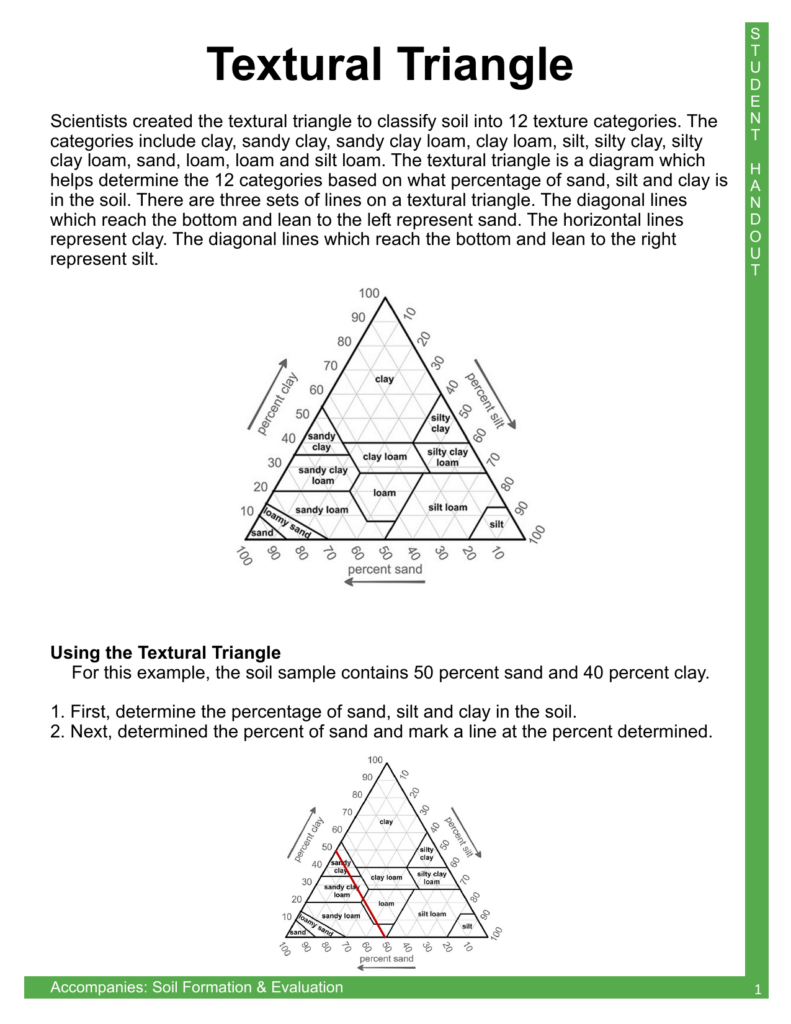
For the fastest self-check, compare each item in order and keep the wording exact. If the worksheet says “identify the soil texture,” give the full texture name from the triangle. If it says “circle the soil sample,” use the label that matches the dominant properties. The safest final check is this: sand = gritty, silt = smooth, clay = sticky, and the triangle gives the precise class when the worksheet asks for it.